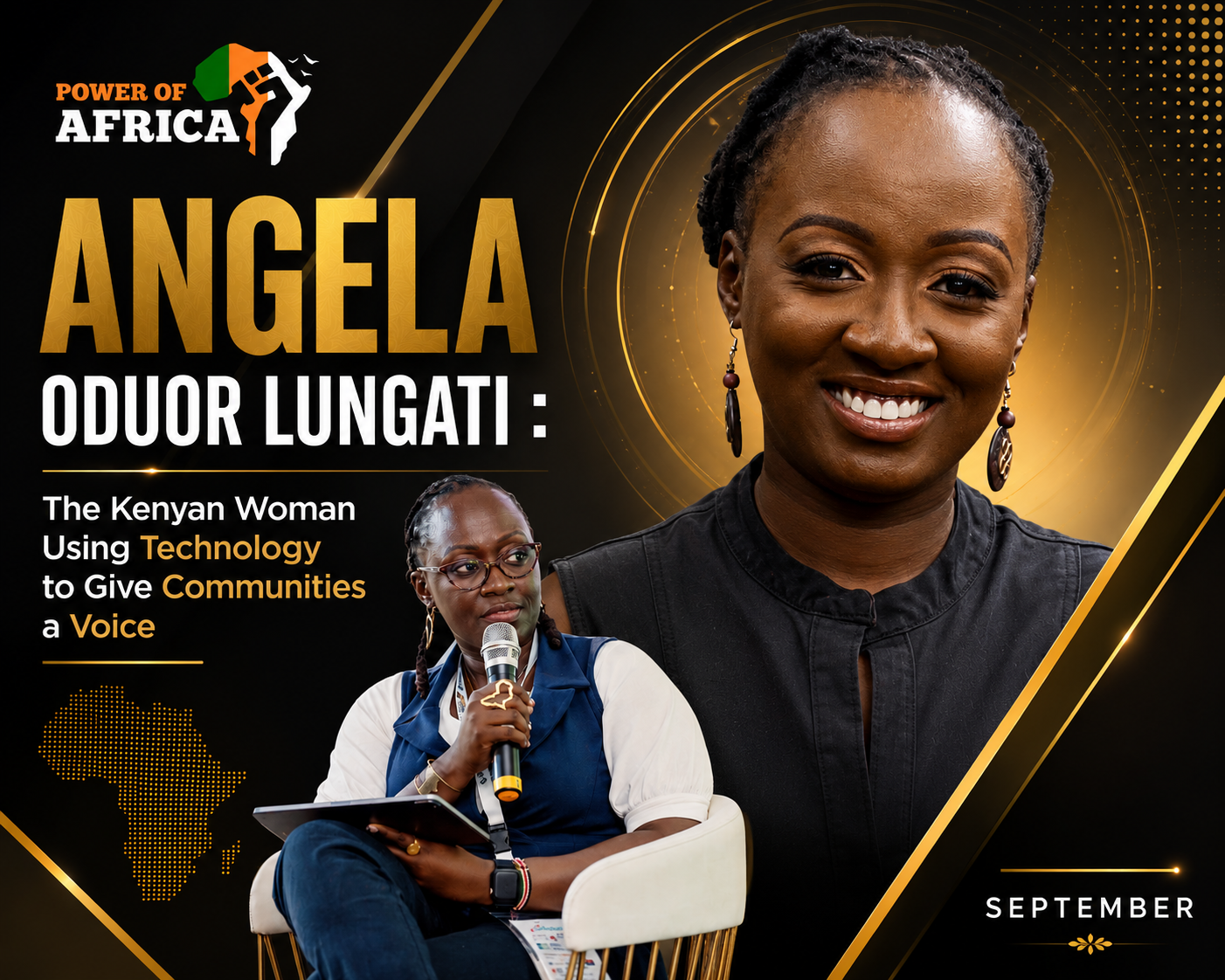
In an era when technology is often measured by the size of its profits, the number of downloads it attracts or the speed at which it changes industries, Angela Oduor Lungati represents a different idea of what technology can accomplish.
For the Kenyan technologist, community builder and open-source advocate, technology is ultimately about people. It is about who gets heard. Who gets access. Who gets represented. And, perhaps most importantly, who gets the opportunity to use technology to influence the world around them. That philosophy has taken Angela from a university student volunteering during Kenya’s 2010 constitutional referendum to becoming the Executive Director of Ushahidi, an internationally recognised nonprofit technology organisation, and Chair of the Board of Creative Commons.
In 2024, she was also named a World Economic Forum Young Global Leader, recognition of her growing influence in the global conversation around inclusive technology and responsible innovation. But Angela’s story is not simply one of impressive titles.
It is a story about choosing to build technology differently
For the Kenyan technologist, community builder and open-source advocate, technology is ultimately about people. It is about who gets heard. Who gets access. Who gets represented. And, perhaps most importantly, who gets the opportunity to use technology to influence the world around them. That philosophy has taken Angela from a university student volunteering during Kenya’s 2010 constitutional referendum to becoming the Executive Director of Ushahidi, an internationally recognised nonprofit technology organisation, and Chair of the Board of Creative Commons.
In 2024, she was also named a World Economic Forum Young Global Leader, recognition of her growing influence in the global conversation around inclusive technology and responsible innovation. But Angela’s story is not simply one of impressive titles.
It is a story about choosing to build technology differently
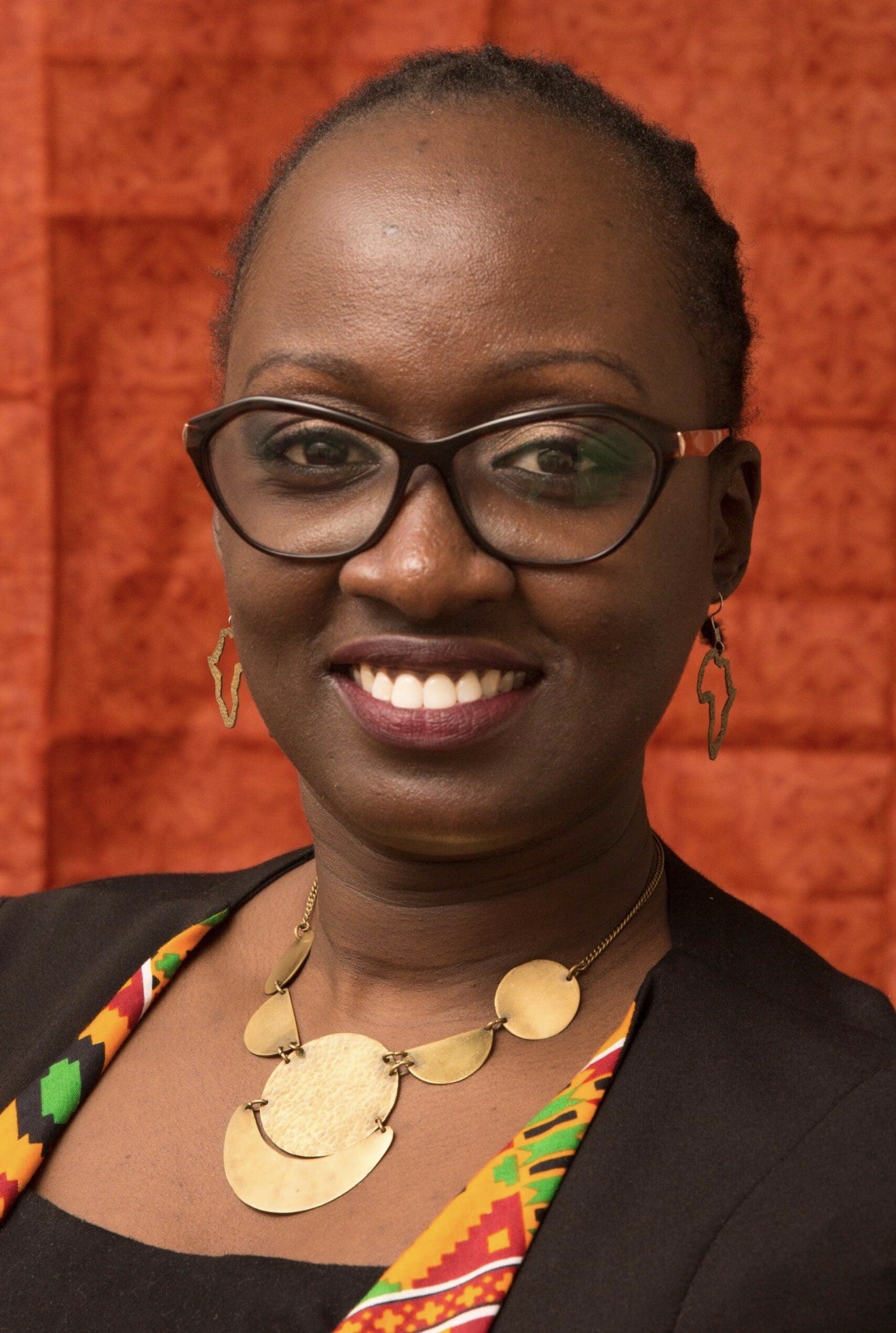
A TECH CAREER BORN FROM PURPOSE
Angela’s introduction to Ushahidi came at a relatively young age.
While studying Business Information Technology at Strathmore University in Nairobi, she volunteered with Ushahidi during Kenya’s 2010 constitutional referendum. The experience exposed her to something that would fundamentally shape her career: the possibility of using technical skills to address real social problems.
Ushahidi itself had emerged from Kenya’s 2007–2008 post-election crisis, when technologists created a platform that allowed people to report incidents and information from different parts of the country. The technology eventually evolved into an open-source platform used around the world for crisis response, elections, humanitarian work and community reporting.
For Angela, however, the significance was not simply in the software. It was in what happened when ordinary people were given the means to make their experiences visible.
After graduating, she returned to Ushahidi in 2011 as a software development intern and subsequently became a junior software developer. But as her career progressed, she found herself increasingly drawn to the people using the technology rather than simply the technology itself.
She began working more closely with users, eventually moving into community management and later becoming Director of Community Engagement.
That transition became a defining feature of her leadership.
Rather than seeing technology as something created by experts and handed down to communities, Angela became an advocate for building technology around the needs and experiences of the people who would actually use it. Her career trajectory at Ushahidi eventually led her to the organisation’s highest executive position.
She became Executive Director in 2019.
While studying Business Information Technology at Strathmore University in Nairobi, she volunteered with Ushahidi during Kenya’s 2010 constitutional referendum. The experience exposed her to something that would fundamentally shape her career: the possibility of using technical skills to address real social problems.
Ushahidi itself had emerged from Kenya’s 2007–2008 post-election crisis, when technologists created a platform that allowed people to report incidents and information from different parts of the country. The technology eventually evolved into an open-source platform used around the world for crisis response, elections, humanitarian work and community reporting.
For Angela, however, the significance was not simply in the software. It was in what happened when ordinary people were given the means to make their experiences visible.
After graduating, she returned to Ushahidi in 2011 as a software development intern and subsequently became a junior software developer. But as her career progressed, she found herself increasingly drawn to the people using the technology rather than simply the technology itself.
She began working more closely with users, eventually moving into community management and later becoming Director of Community Engagement.
That transition became a defining feature of her leadership.
Rather than seeing technology as something created by experts and handed down to communities, Angela became an advocate for building technology around the needs and experiences of the people who would actually use it. Her career trajectory at Ushahidi eventually led her to the organisation’s highest executive position.
She became Executive Director in 2019.
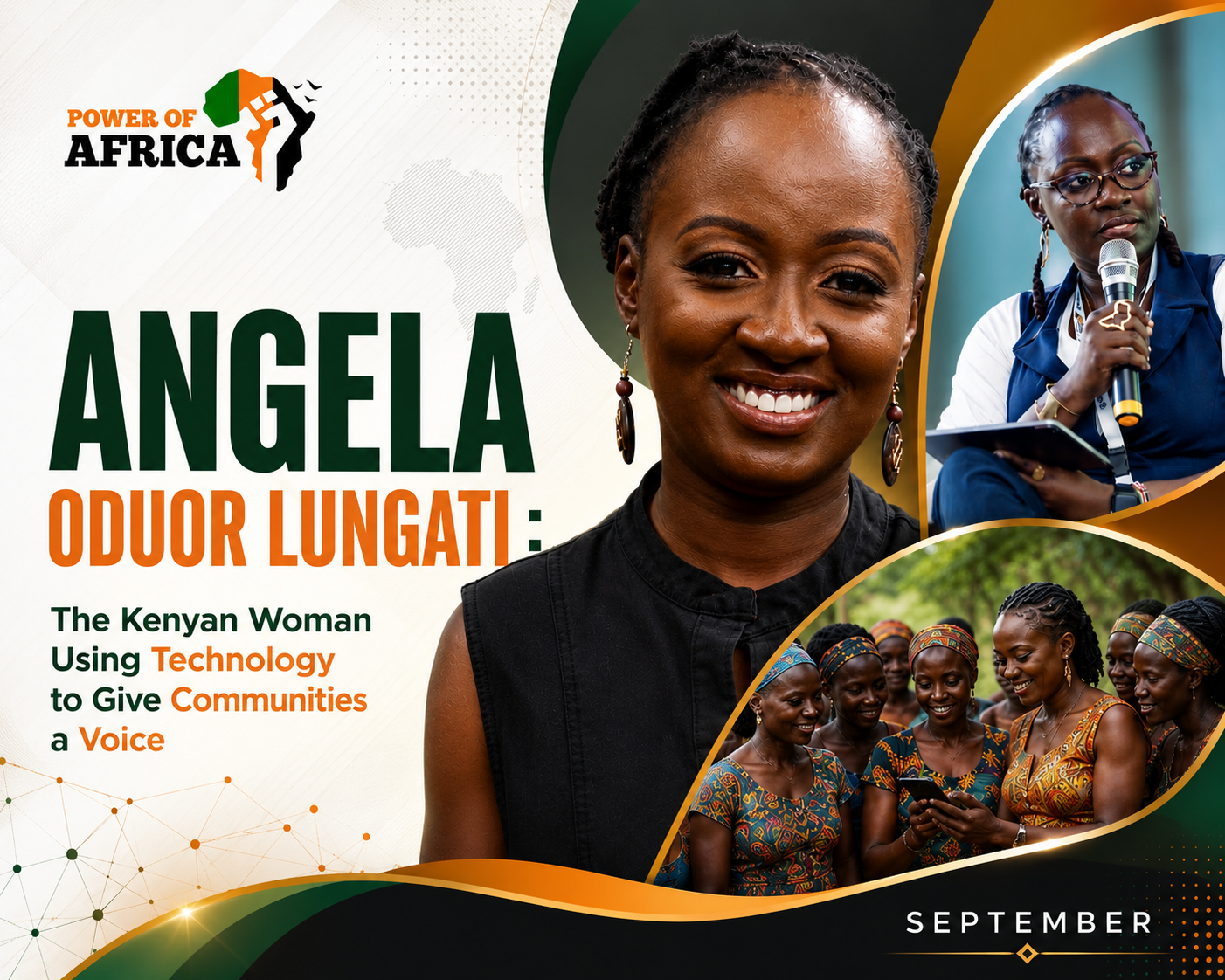
LEADERSHIP THAT STARTS WITH LISTENING
Angela’s understanding of leadership is rooted in an idea that is increasingly important in Africa’s rapidly changing digital landscape: technology should not simply be innovative; it should be appropriate, accessible and responsive to the people it is meant to serve.
Under her leadership, Ushahidi has continued its work around community-generated information, civic participation and crisis response, helping people collect and share information so that their experiences can inform decisions and influence change.
The organisation’s work has reached far beyond Kenya. Its open-source technology has been used in different parts of the world for election monitoring, humanitarian response and other situations where communities need reliable ways to document what is happening around them.
For Angela, this is where technology becomes more than code. It becomes a mechanism for participation.
FROM BUILDING SOFTWARE TO BUILDING PEOPLE
Angela’s influence also extends beyond her work at Ushahidi.
She is a co-founder of AkiraChix, an organisation established to nurture African women in technology and equip them with the skills, networks and opportunities to participate meaningfully in the continent’s technology ecosystem. But the significance of her involvement is less about the organisation itself and more about the philosophy behind it.
Africa’s technology future cannot be built by excluding a significant portion of its population. Angela has consistently advocated for a more inclusive technology ecosystem, one in which African women are not merely consumers of technology but creators, engineers, founders, designers and decision-makers.
It is a philosophy that reflects a broader question about Africa’s digital transformation: Who gets to build the future?
For Angela, the answer must include the people who have historically been left out.
Angela’s understanding of leadership is rooted in an idea that is increasingly important in Africa’s rapidly changing digital landscape: technology should not simply be innovative; it should be appropriate, accessible and responsive to the people it is meant to serve.
Under her leadership, Ushahidi has continued its work around community-generated information, civic participation and crisis response, helping people collect and share information so that their experiences can inform decisions and influence change.
The organisation’s work has reached far beyond Kenya. Its open-source technology has been used in different parts of the world for election monitoring, humanitarian response and other situations where communities need reliable ways to document what is happening around them.
For Angela, this is where technology becomes more than code. It becomes a mechanism for participation.
FROM BUILDING SOFTWARE TO BUILDING PEOPLE
Angela’s influence also extends beyond her work at Ushahidi.
She is a co-founder of AkiraChix, an organisation established to nurture African women in technology and equip them with the skills, networks and opportunities to participate meaningfully in the continent’s technology ecosystem. But the significance of her involvement is less about the organisation itself and more about the philosophy behind it.
Africa’s technology future cannot be built by excluding a significant portion of its population. Angela has consistently advocated for a more inclusive technology ecosystem, one in which African women are not merely consumers of technology but creators, engineers, founders, designers and decision-makers.
It is a philosophy that reflects a broader question about Africa’s digital transformation: Who gets to build the future?
For Angela, the answer must include the people who have historically been left out.
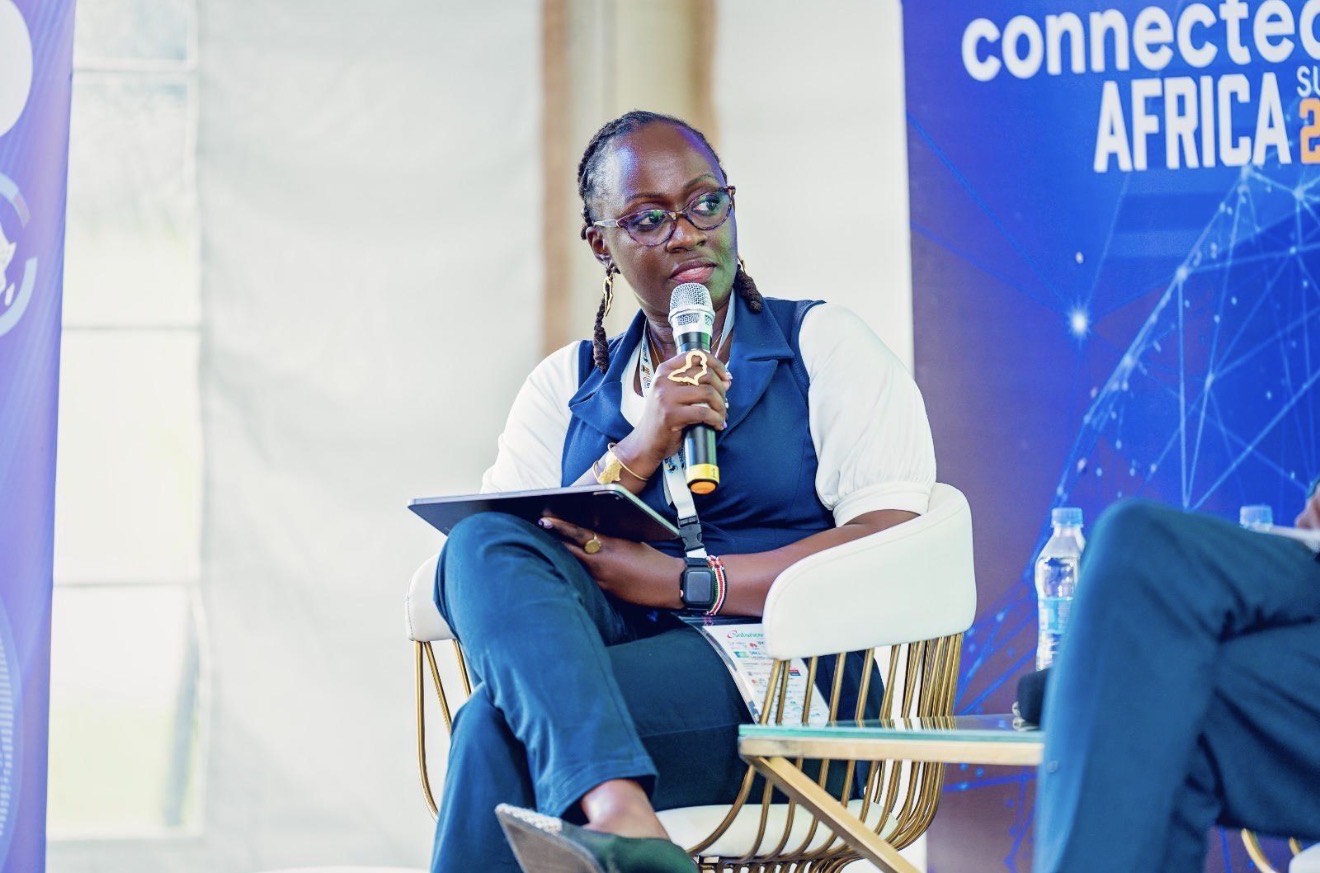
A VOICE IN THE GLOBAL TECHNOLOGY CONVERSATION
Her influence has increasingly extended beyond the African technology ecosystem.
Angela currently serves as Chair of the Board of Creative Commons, a global organisation dedicated to expanding the availability of knowledge and creativity through legal and technological tools that enable sharing and collaboration.
She also participates in international conversations around data, artificial intelligence, digital rights and inclusion.
In March 2026, she wrote about the changing relationship between people, data and artificial intelligence, arguing for a more human understanding of data and challenging the tendency to treat it simply as a resource to be extracted.
Her growing involvement in discussions around AI is particularly significant at a time when African countries are increasingly confronting questions about who controls data, whose languages and experiences are represented in artificial intelligence, and whether the continent will simply consume technologies developed elsewhere or have a meaningful role in shaping them.
Angela’s answer appears clear: Africa must have a seat at the table.
Not only as a market. But as a creator, contributor and decision-maker.
THE AFRICAN LEADERSHIP THAT’S NEEDED
Perhaps what makes Angela Oduor Lungati particularly worthy of recognition is that her leadership does not fit neatly into the traditional African success story.She is not being celebrated because she built the biggest company.
She is not being celebrated because she accumulated the greatest fortune. She is being celebrated because she has spent her career asking a different question: How can the tools of the future give more people agency over their own lives?
From a university volunteer in Nairobi to the executive leadership of a globally recognised technology organisation, Angela has built a career around that question. Her journey demonstrates that African leadership can take many forms.
Sometimes it is a president making policy. Sometimes it is an entrepreneur creating jobs. And sometimes, it is a technologist quietly building the systems that allow ordinary people to be heard. Angela Oduor Lungati belongs to the latter category.
She represents a generation of African leaders who understand that the continent’s future will not be determined solely by the technologies Africa adopts, but by the technologies Africans build, the people who get to participate in creating them, and the communities whose voices are allowed to shape their direction.
At a time when technology is changing the way societies communicate, govern, work and make decisions, Angela is making a compelling case for something simple but powerful:
Technology should not silence people. It should give them a louder voice.
And that is why Power of Africa celebrates Angela Oduor Lungati, not simply for the organisations she has helped build, but for the people-centred vision of Africa’s future that she continues to champion.
Her influence has increasingly extended beyond the African technology ecosystem.
Angela currently serves as Chair of the Board of Creative Commons, a global organisation dedicated to expanding the availability of knowledge and creativity through legal and technological tools that enable sharing and collaboration.
She also participates in international conversations around data, artificial intelligence, digital rights and inclusion.
In March 2026, she wrote about the changing relationship between people, data and artificial intelligence, arguing for a more human understanding of data and challenging the tendency to treat it simply as a resource to be extracted.
Her growing involvement in discussions around AI is particularly significant at a time when African countries are increasingly confronting questions about who controls data, whose languages and experiences are represented in artificial intelligence, and whether the continent will simply consume technologies developed elsewhere or have a meaningful role in shaping them.
Angela’s answer appears clear: Africa must have a seat at the table.
Not only as a market. But as a creator, contributor and decision-maker.
THE AFRICAN LEADERSHIP THAT’S NEEDED
Perhaps what makes Angela Oduor Lungati particularly worthy of recognition is that her leadership does not fit neatly into the traditional African success story.She is not being celebrated because she built the biggest company.
She is not being celebrated because she accumulated the greatest fortune. She is being celebrated because she has spent her career asking a different question: How can the tools of the future give more people agency over their own lives?
From a university volunteer in Nairobi to the executive leadership of a globally recognised technology organisation, Angela has built a career around that question. Her journey demonstrates that African leadership can take many forms.
Sometimes it is a president making policy. Sometimes it is an entrepreneur creating jobs. And sometimes, it is a technologist quietly building the systems that allow ordinary people to be heard. Angela Oduor Lungati belongs to the latter category.
She represents a generation of African leaders who understand that the continent’s future will not be determined solely by the technologies Africa adopts, but by the technologies Africans build, the people who get to participate in creating them, and the communities whose voices are allowed to shape their direction.
At a time when technology is changing the way societies communicate, govern, work and make decisions, Angela is making a compelling case for something simple but powerful:
Technology should not silence people. It should give them a louder voice.
And that is why Power of Africa celebrates Angela Oduor Lungati, not simply for the organisations she has helped build, but for the people-centred vision of Africa’s future that she continues to champion.
