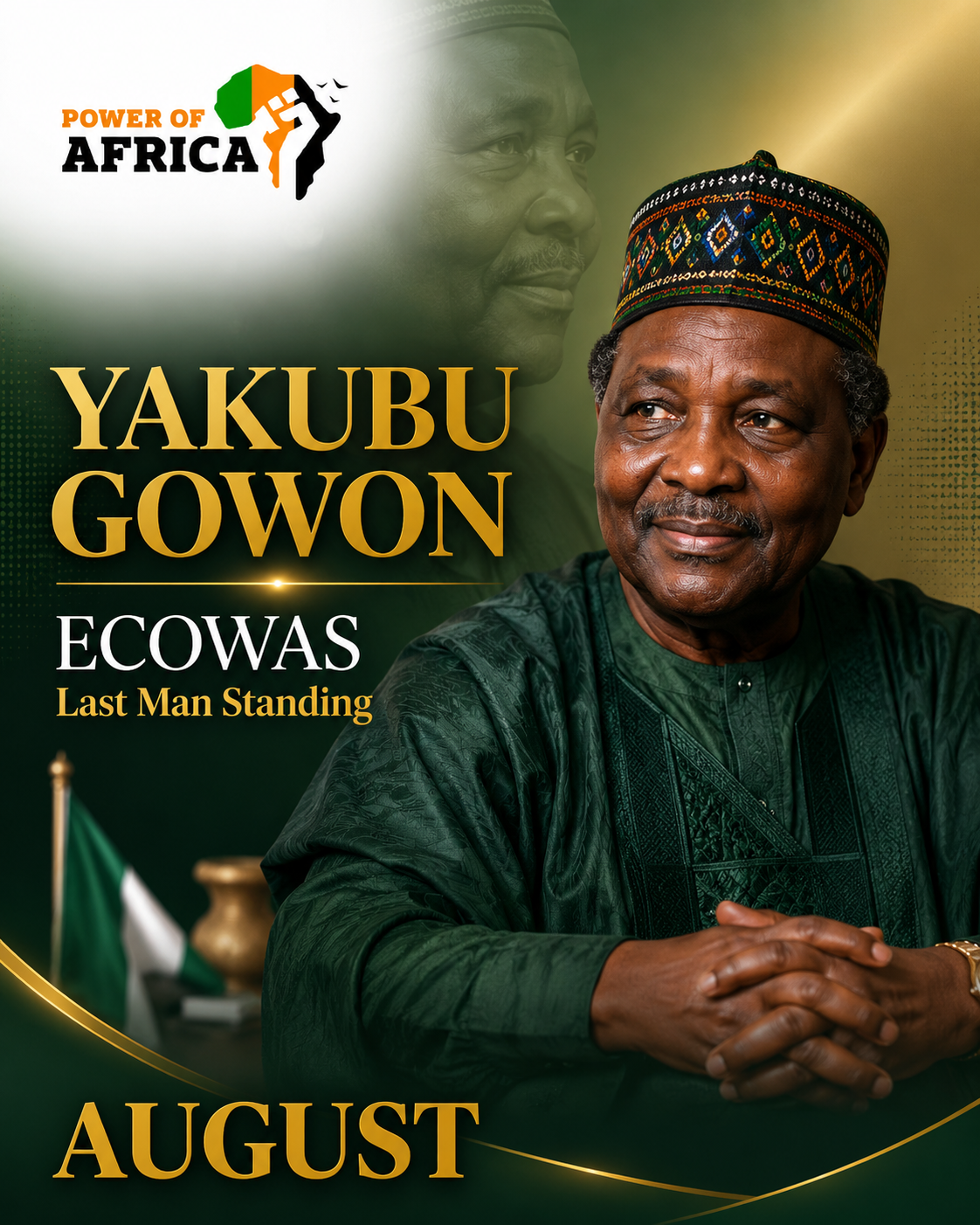
Only few Africans embody the passage of the continent’s modern political history quite like General Yakubu Gowon. Now 91 years of age, the ex-Nigerian Head of State is not merely a retired statesman; he is a living bridge to an era when newly independent African nations were defining their identities, confronting political instability and searching for ways to build unity beyond colonial borders.
Gowon’s historical significance extends far beyond his leadership of Nigeria between 1966 and 1975. His name is permanently etched into the story of West African integration as one of the principal figures behind the creation of the Economic Community of West African States (ECOWAS).
In 1972, Gowon and Togo’s President Gnassingbé Eyadéma toured the region to advance the idea of West African integration. Their efforts eventually helped lay the foundation for the Lagos Treaty that established ECOWAS in 1975.
Gowon’s historical significance extends far beyond his leadership of Nigeria between 1966 and 1975. His name is permanently etched into the story of West African integration as one of the principal figures behind the creation of the Economic Community of West African States (ECOWAS).
In 1972, Gowon and Togo’s President Gnassingbé Eyadéma toured the region to advance the idea of West African integration. Their efforts eventually helped lay the foundation for the Lagos Treaty that established ECOWAS in 1975.
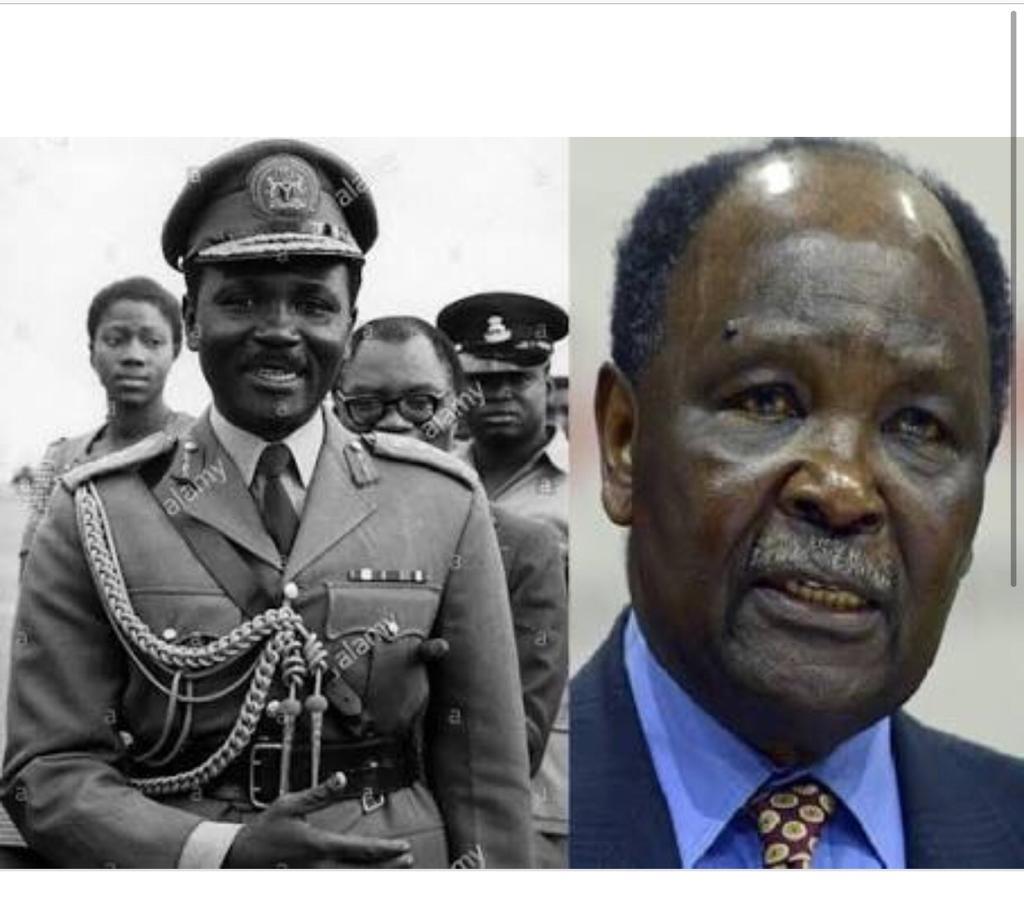
Today, Gowon is recognised by ECOWAS as the bloc’s only surviving founding father. He was among the leaders present in Lagos when the organisation was established alongside 15 other heads of state and government. That distinction carries enormous symbolism.
Gowon represents a generation of African leaders who witnessed the transition from colonial rule to sovereignty, the turbulence of military coups, civil wars and ideological competition, and the emergence of regional institutions designed to protect African interests. His continued presence offers today's generation something increasingly rare: a direct human connection to the people who helped shape the political architecture of post-colonial Africa.
Gowon represents a generation of African leaders who witnessed the transition from colonial rule to sovereignty, the turbulence of military coups, civil wars and ideological competition, and the emergence of regional institutions designed to protect African interests. His continued presence offers today's generation something increasingly rare: a direct human connection to the people who helped shape the political architecture of post-colonial Africa.
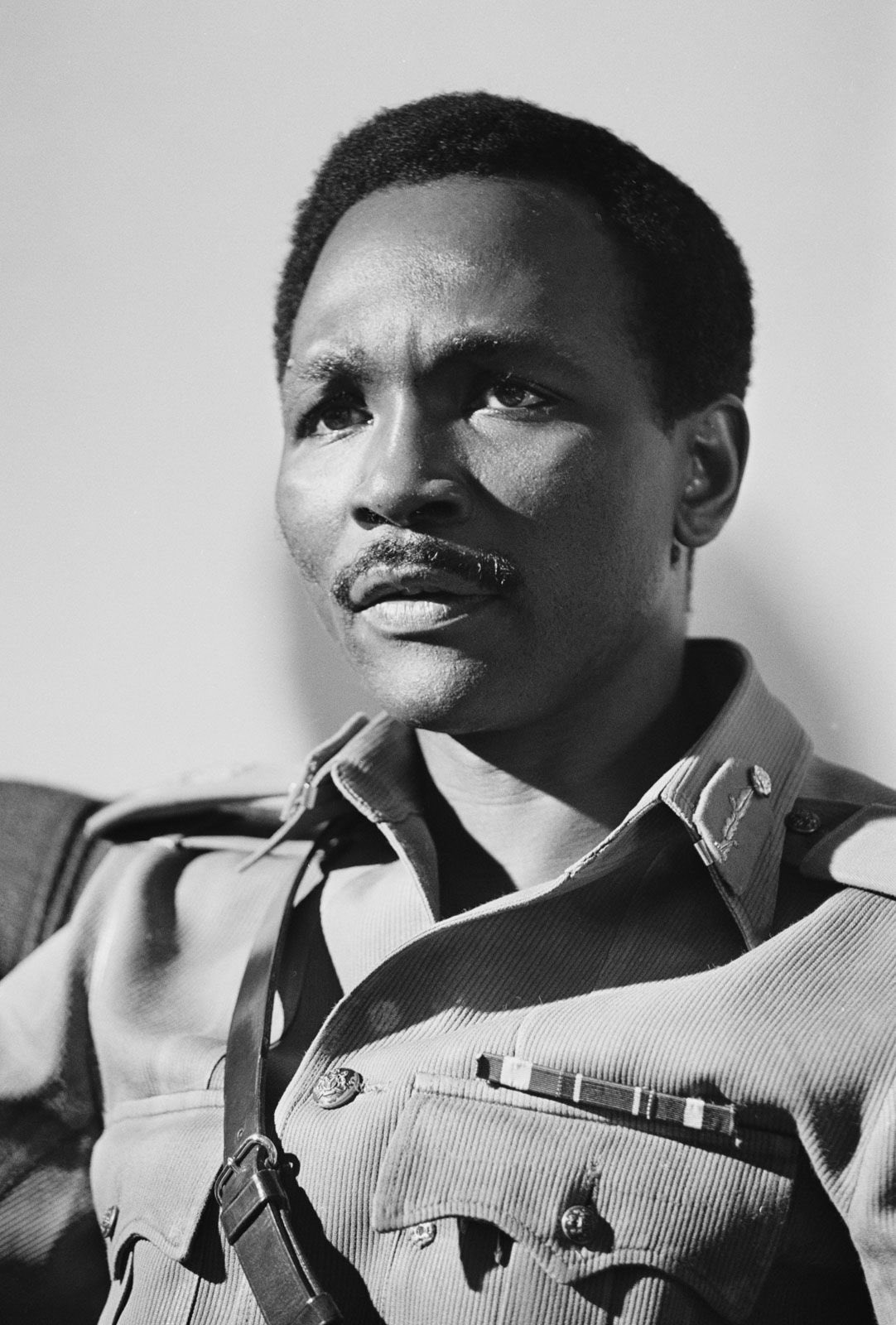
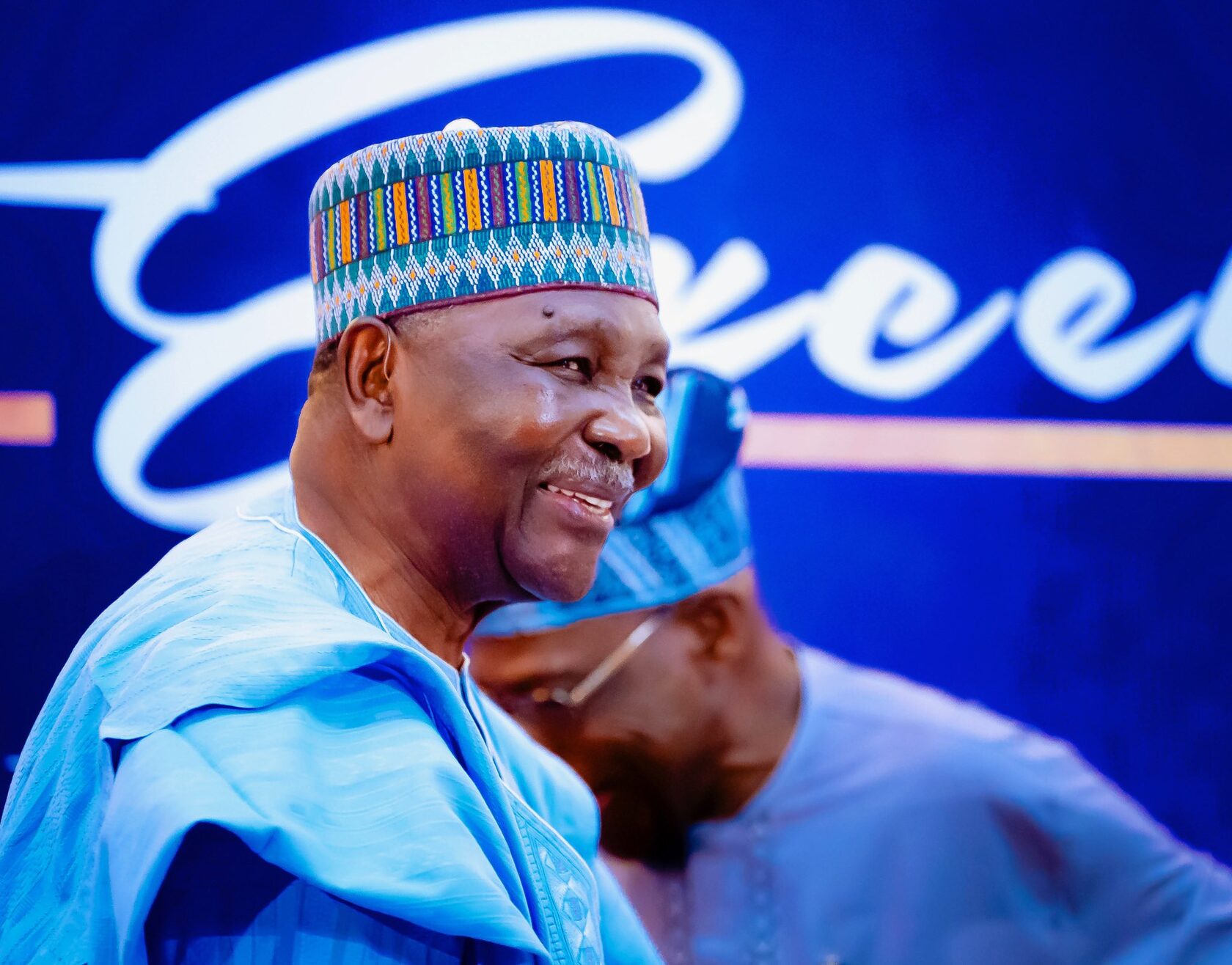
His story is also inseparable from Nigeria's own complicated history. He assumed leadership during one of the country's most turbulent periods and presided over the Nigerian Civil War from 1967 to 1970. His government subsequently became an important force behind regional cooperation.
As Africa confronts new questions about sovereignty, regional solidarity, democratic governance and the future of continental integration, Gowon's presence invites reflection on how far the continent has travelled—and how much remains to be accomplished.
Gowon's life is a reminder that Africa's political story is not distant history. Some of its principal architects are still here, carrying memories of the decisions, ambitions and struggles that shaped the continent we know today.
Yakubu Gowon is, in that sense, not merely a survivor of African history. He is one of its living archives.General
As Africa confronts new questions about sovereignty, regional solidarity, democratic governance and the future of continental integration, Gowon's presence invites reflection on how far the continent has travelled—and how much remains to be accomplished.
Gowon's life is a reminder that Africa's political story is not distant history. Some of its principal architects are still here, carrying memories of the decisions, ambitions and struggles that shaped the continent we know today.
Yakubu Gowon is, in that sense, not merely a survivor of African history. He is one of its living archives.General
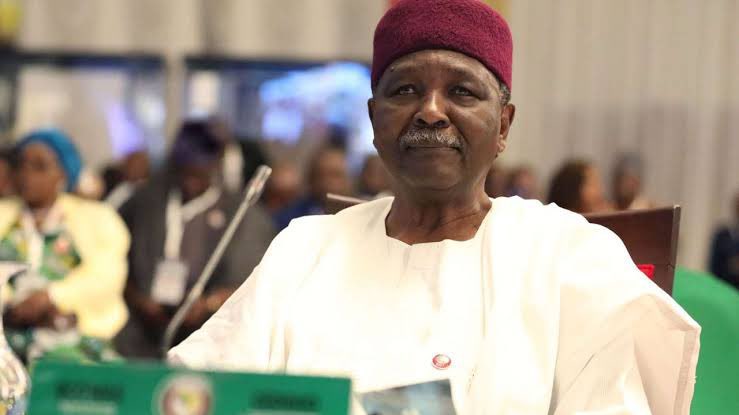
General Yakubu Gowon (rtd.)
