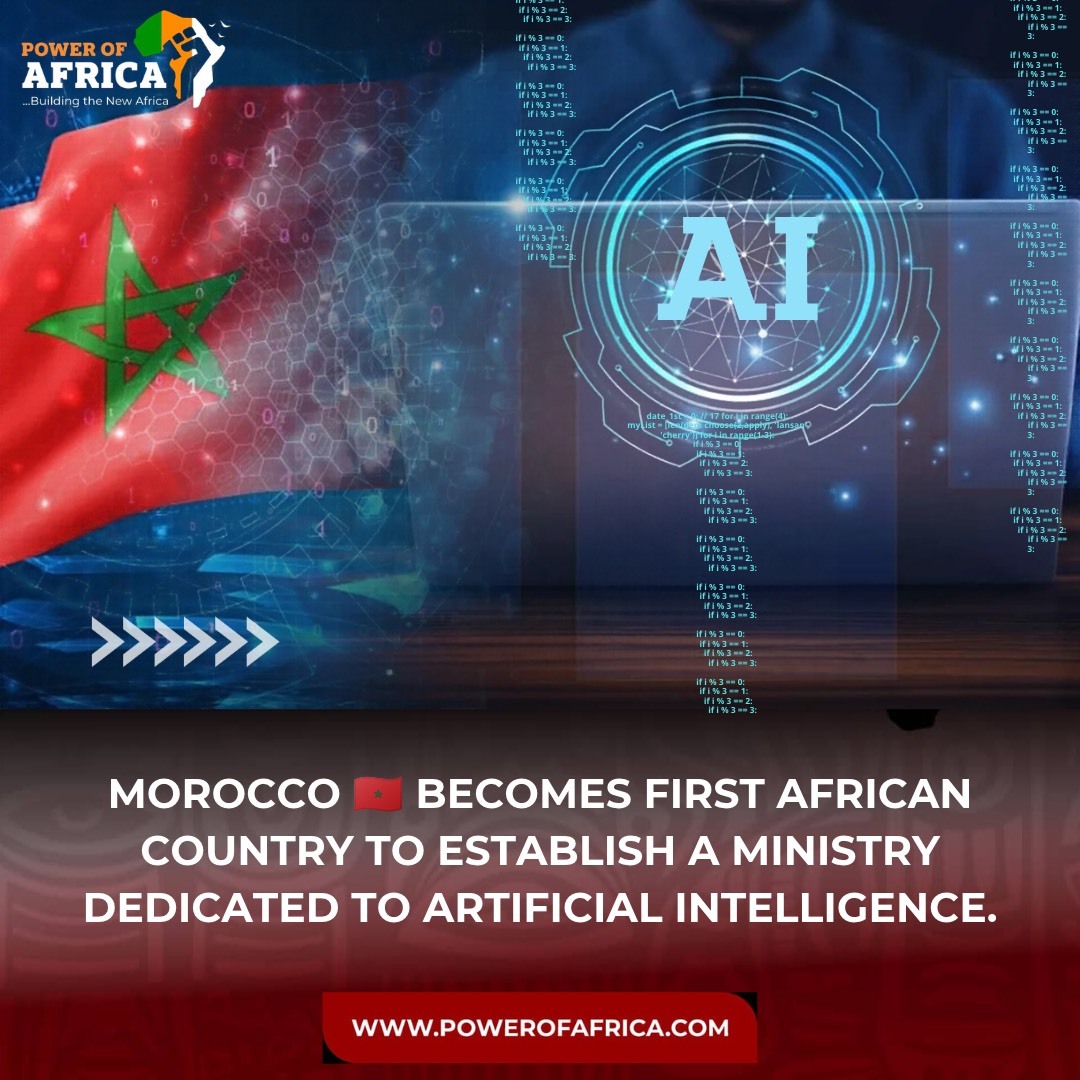
Morocco has made a major move in Africa’s technology landscape by establishing a government ministry that explicitly places artificial intelligence (AI) at the centre of its national digital transformation agenda.
The development followed the formation of Morocco’s new government on October 16, 2026, when King Mohammed VI appointed Ahmed Rahhou to lead the Ministry of Artificial Intelligence, Digital Transformation and Administrative Reform. The appointment signals the country’s ambition to strengthen its technological capabilities and make AI a driver of economic growth and public-sector innovation.
The move makes Morocco the first African country reported to have established a ministerial portfolio explicitly dedicated to artificial intelligence, although the ministry also oversees digital transformation and administrative reform.
A $10 Billion AI Ambition.
Morocco’s decision comes as the country accelerates its efforts to become a regional hub for artificial intelligence and digital innovation.
Under its national AI roadmap, Morocco AI 2030, the government aims to generate 100 billion Moroccan dirhams, approximately $10 billion, in economic value by 2030 through artificial intelligence initiatives.
The strategy also targets the creation of 50,000 jobs and the training of 200,000 people in AI-related skills by the end of the decade.
To achieve these objectives, Morocco is investing in digital infrastructure, data centres, cloud computing, research and workforce development. The government is also seeking to strengthen collaboration between universities, technology companies and public institutions to encourage the development of AI solutions within the country.
Taking AI Into Government Services.
One of Morocco’s priorities is integrating artificial intelligence into public administration to improve how citizens access government services.
The country’s AI roadmap includes the development of digital tools that can guide citizens through administrative procedures, simplify access to information and improve the delivery of public services.
In September 2026, Morocco presented new initiatives under its AI 2030 roadmap, including Idarati AI, an AI-powered assistant designed to help citizens navigate administrative processes. The country has also outlined plans for a sovereign AI marketplace intended to support secure access to digital solutions while keeping greater control over national data and infrastructure.
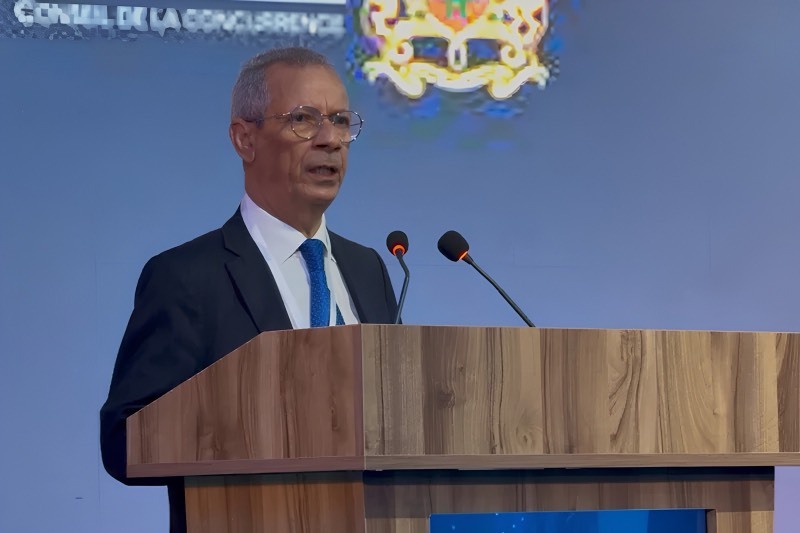
The creation of a ministry with AI explicitly included in its title could give these efforts greater visibility and establish a clearer point of responsibility for coordinating the country’s AI ambitions.
Why This Matters for Africa
Across Africa, governments and businesses are increasingly exploring artificial intelligence in sectors such as healthcare, agriculture, education, financial services and manufacturing. However, limited digital infrastructure, gaps in technical skills and dependence on foreign technology remain challenges for many countries seeking to benefit from the technology.
Morocco’s approach places emphasis not only on adopting existing AI tools but also on developing domestic expertise, infrastructure and solutions tailored to its own needs. Its strategy also raises an important question for other African governments: how can the continent move from being a consumer of artificial intelligence technologies to becoming a stronger contributor to their development?
By giving AI a dedicated ministerial portfolio, Morocco is signalling that the technology is no longer simply a component of its digital policy. It is becoming a distinct national priority.
The Road Ahead
Establishing a ministry is an important institutional step, but its success will ultimately depend on implementation.
Meeting Morocco’s targets will require sustained investment, skilled workers, reliable digital infrastructure, responsible data governance and opportunities for local companies to develop and commercialise AI solutions. The country will also need to ensure that the benefits extend beyond major cities and large businesses to reach students, small enterprises and underserved communities.
For Africa, Morocco’s decision offers a notable example of how governments are beginning to organise around artificial intelligence as a strategic economic and technological priority.
Whether other African countries follow with dedicated AI ministries or adopt different institutional models, the direction is becoming clearer: artificial intelligence is increasingly shaping the continent’s conversations about innovation, competitiveness and digital sovereignty.
