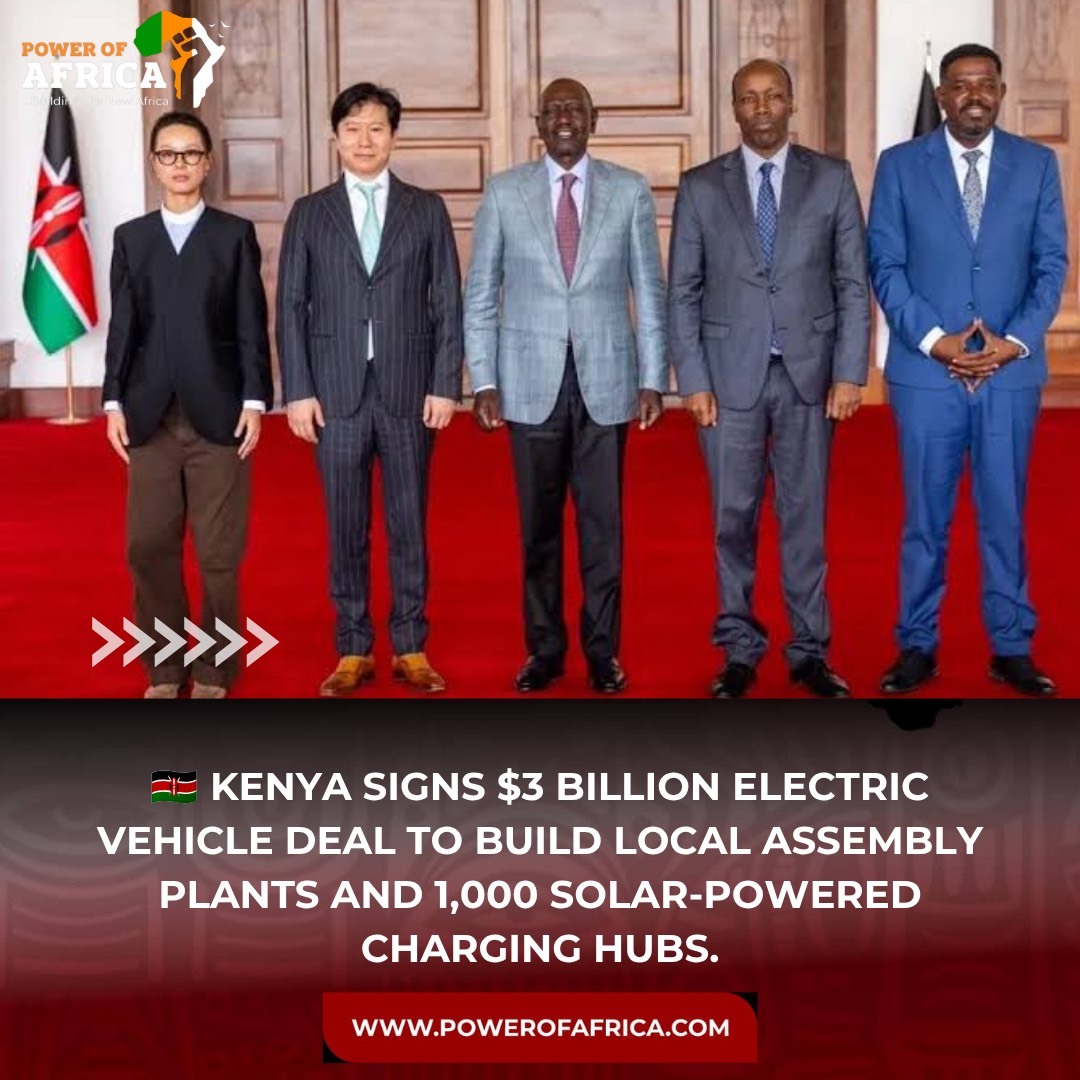
Kenya has signed a proposed $3 billion electric mobility investment deal aimed at transforming the country into a regional manufacturing hub for electric vehicles, expanding clean transportation infrastructure and creating thousands of jobs.
The memorandum of understanding was signed on October 6, 2026, between the Kenyan government and Endelevu Enterprise Corporation, with President William Ruto witnessing the signing at State House in Nairobi. The project is designed to establish an integrated electric mobility industry spanning vehicle manufacturing, assembly, charging infrastructure and digital services.
The agreement marks a significant step in Kenya’s ambition to move beyond importing finished vehicles and develop its own automotive manufacturing capacity.
Two Assembly Plants Planned
Under the proposed investment, Kenya plans to establish two electric vehicle production facilities.
The first assembly plant is expected to have the capacity to manufacture 50,000 four-wheel vehicles annually. A second facility is planned to produce up to 100,000 electric two-wheelers and other light-mobility vehicles each year.
Together, the facilities could have a combined annual production capacity of 150,000 vehicles once operating at full capacity. The project is intended to serve Kenya’s domestic market while supplying neighbouring countries and the wider African market.
Chinese automotive manufacturer Geely is identified as a partner in the proposed initiative, bringing an international dimension to Kenya’s plans to expand its electric vehicle industry.
1,000 Solar-Powered Charging Hubs
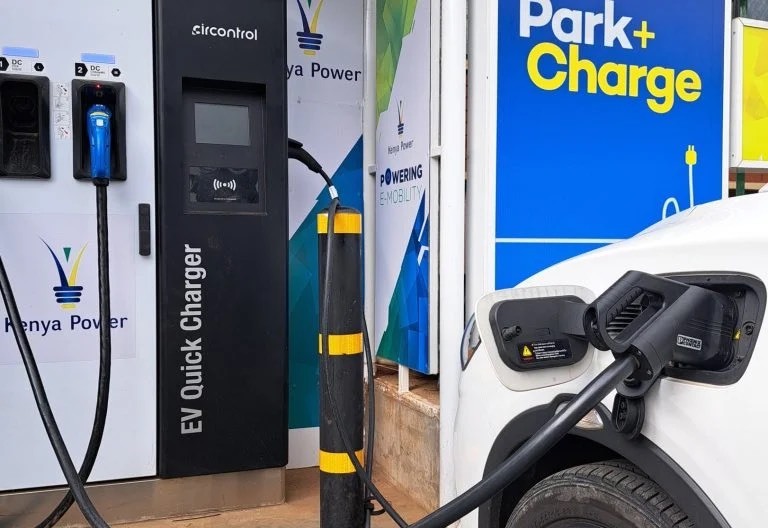
Beyond manufacturing, the project proposes the development of 1,000 solar-powered electric vehicle charging hubs across Kenya.
Charging infrastructure remains an important consideration for countries seeking to increase electric vehicle adoption. By incorporating solar power into the planned network, the project aims to connect clean transportation with renewable energy.
The initiative also includes a digital platform designed to support and manage up to 100,000 electric vehicles, creating an integrated system for charging infrastructure and vehicle operations.
For Kenya, which generates a substantial share of its electricity from renewable sources, expanding electric mobility could help reduce dependence on imported petroleum products while making greater use of domestic energy resources.
Up to 100,000 Employment Opportunities Expected
The investment is also expected to create new employment opportunities across manufacturing and related industries.
According to President Ruto, the proposed project could generate approximately 2,000 direct jobs and more than 20,000 indirect jobs through suppliers, logistics companies and other service providers. A further 80,000 opportunities are projected in fleet management, vehicle operations and related services. These are expected employment opportunities, not jobs already created.
Local businesses could also benefit from supplying vehicle components, providing maintenance services, installing charging equipment and supporting the wider electric mobility ecosystem.
The Kenyan government says it wants the partnership to deliver technology transfer and technical skills development, ensuring that local workers and businesses gain expertise alongside the investment.
Kenya’s Push to Become an African EV Manufacturing Hub.
The deal comes as Kenya accelerates efforts to develop its electric mobility sector and reduce the economic burden associated with importing vehicles and fuel.
President Ruto has linked the project to the country’s wider industrialisation agenda, arguing that manufacturing more products locally would help retain economic value within Kenya, create employment and strengthen domestic industries.
The government has also directed relevant agencies to coordinate approvals, land and infrastructure needed to facilitate the project. However, the memorandum is a framework for the proposed investment, and further agreements and implementation steps are still required before the plans become operational.
If implemented as proposed, the project could position Kenya as an important electric vehicle manufacturing and assembly centre in East Africa, serving a market that extends well beyond its borders.
A New Chapter for Clean Transportation in Africa.
Kenya’s proposed $3 billion investment reflects a growing opportunity for African countries to participate more actively in the global transition to electric mobility.
Rather than relying exclusively on imported vehicles and technology, the country is seeking to build local manufacturing capacity, expand renewable-powered charging infrastructure and develop the skills needed to support an emerging industry.
The big question now is whether Kenya can turn the $3 billion commitment into operational factories, functioning charging hubs and sustainable jobs. If it does, the project could become an important example of how African countries can connect clean energy, manufacturing and economic development.
