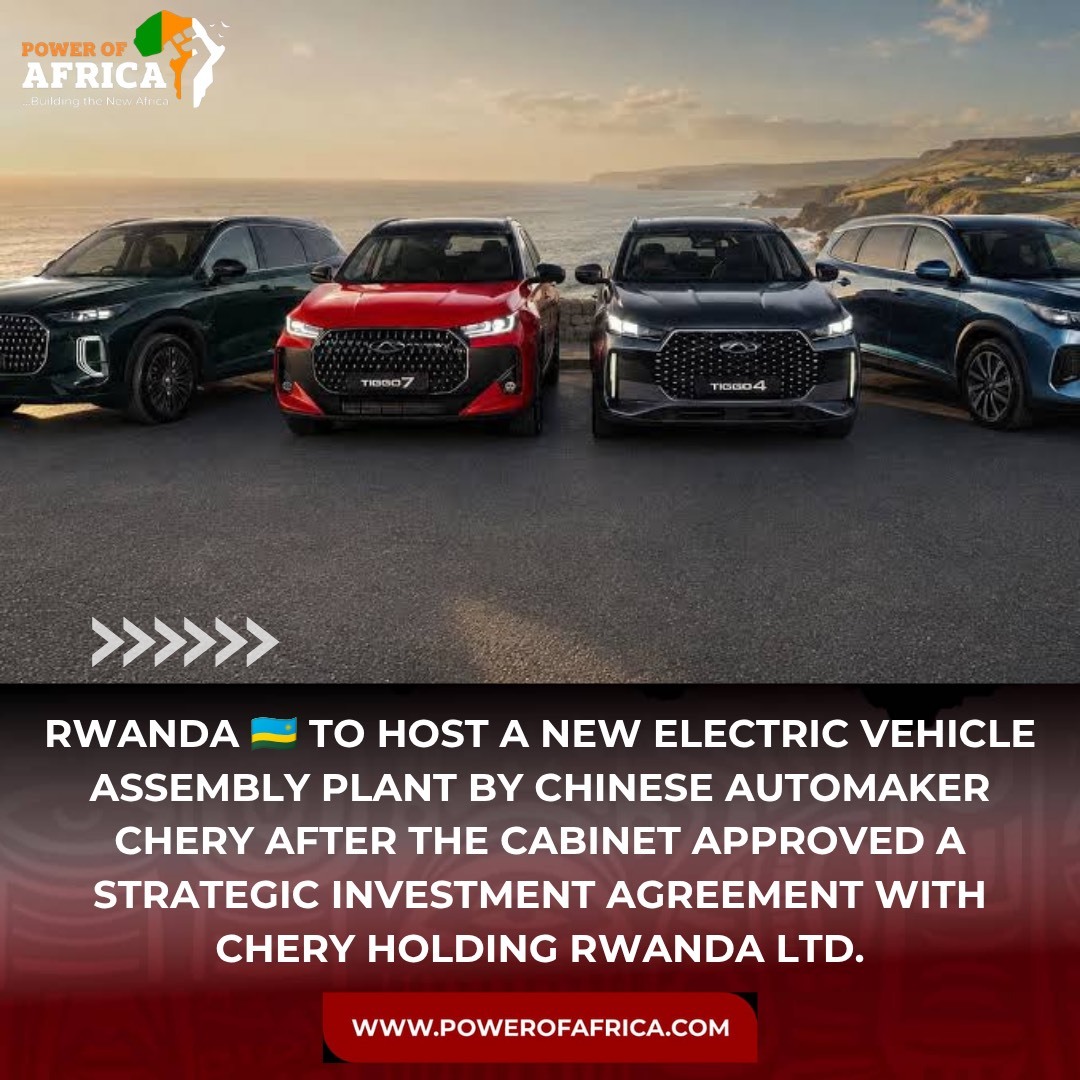
Rwanda is moving to strengthen its position in Africa’s electric mobility industry after the government approved a strategic investment agreement with Chinese automotive group Chery Holding Rwanda Ltd to establish an electric vehicle assembly plant in the country.
The agreement was approved during a Cabinet meeting chaired by President Paul Kagame on September 18, 2026, formally advancing plans that have been under discussion between Rwanda and Chery since 2025.
From electric mobility to local assembly
The project builds on a memorandum of understanding signed in April 2025 between the Rwanda Development Board and Chery Holding Group. That agreement identified areas of cooperation including electric mobility, green energy, agriculture and mining.
Discussions gained further momentum in April 2026 when President Kagame met Xu Hui, Chery’s vice president and board secretary, with electric vehicle assembly among the investment opportunities discussed.
The latest Cabinet approval takes the partnership a step further by giving the proposed assembly plant a formal strategic investment framework.
However, details such as the plant’s location, investment value, production capacity, construction timeline and expected start of production have not yet been publicly disclosed.
Rwanda is building an electric mobility ecosystem.
The Chery project comes as Rwanda actively promotes the transition towards electric transportation.
In 2026, the government directed public institutions to ensure that at least 30% of newly procured vehicles are fully electric. Electric vehicles, batteries and charging equipment also benefit from tax incentives designed to encourage adoption.
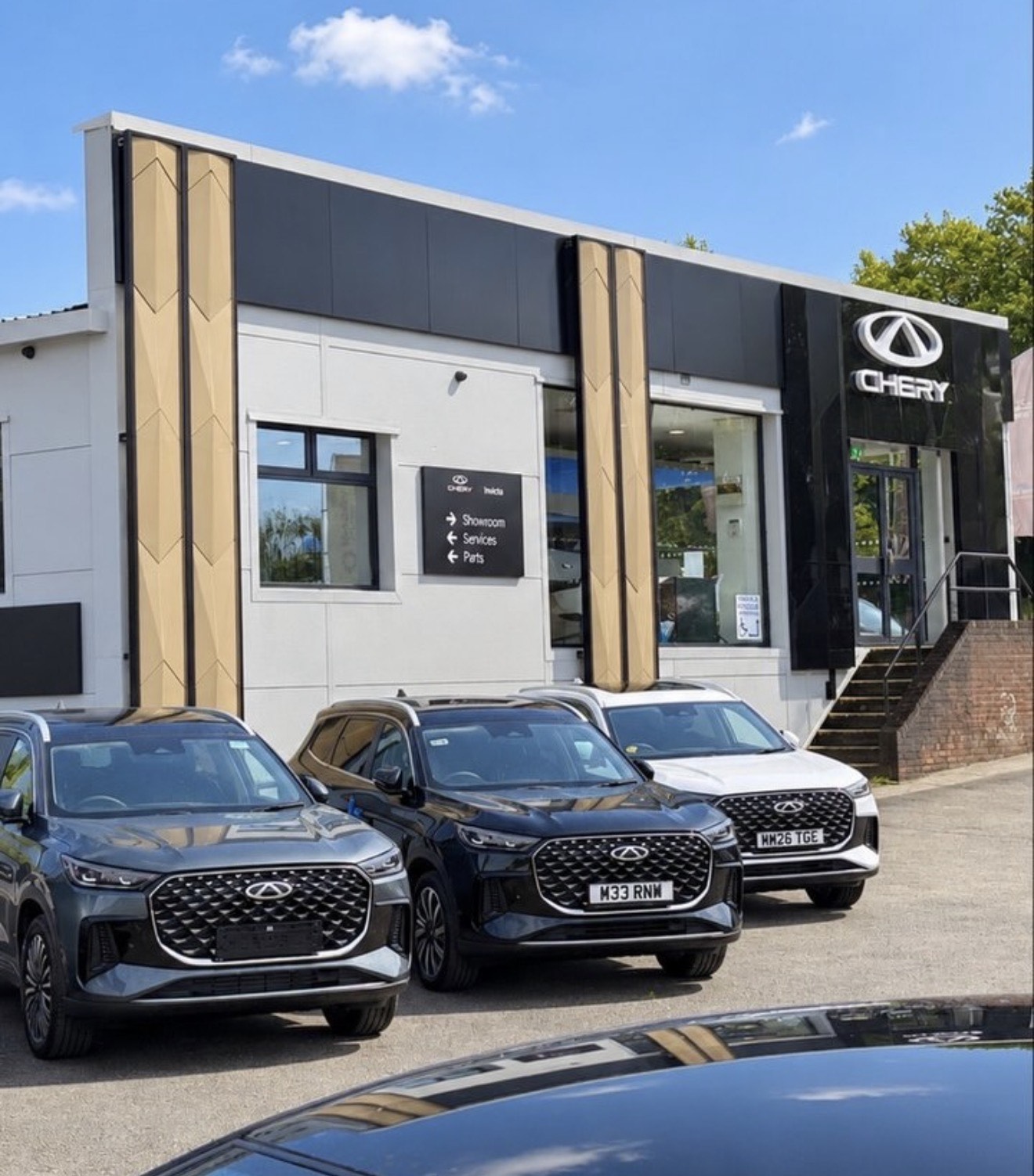
Rwanda already has a growing electric mobility sector, particularly in electric motorcycles and charging infrastructure. The planned Chery facility would add vehicle assembly to that ecosystem and could create opportunities for technicians, engineers, suppliers and other businesses connected to the automotive industry.
The Rwanda Development Board has previously identified electric-car assembly as an investment opportunity, with its investment materials estimating $39.25 million and 2,000 direct jobs for an electric-car assembly project. Those figures are sector-level projections and have not been confirmed as the value or employment target of Chery’s specific project.
A bigger role for Rwanda in Africa’s auto industry.
Chery’s investment would also place Rwanda within the growing network of African countries seeking to attract automotive manufacturing and assembly investment.
For Rwanda, the ambition goes beyond having electric cars on its roads. Local assembly could support technology transfer, technical skills development and the growth of supporting industries if production expands over time.
Chery, meanwhile, has been rapidly expanding its global presence and its portfolio of electric and other new-energy vehicles. The company operates multiple brands and has increased its focus on electrified vehicles in recent years.
For now, the project remains at the investment and development stage. But Cabinet approval represents a significant step toward Rwanda becoming a local production base for electric vehicles, rather than simply a market for imported models.
If the project progresses to production, it could mark another chapter in Rwanda’s push to combine green transportation with industrial development.
