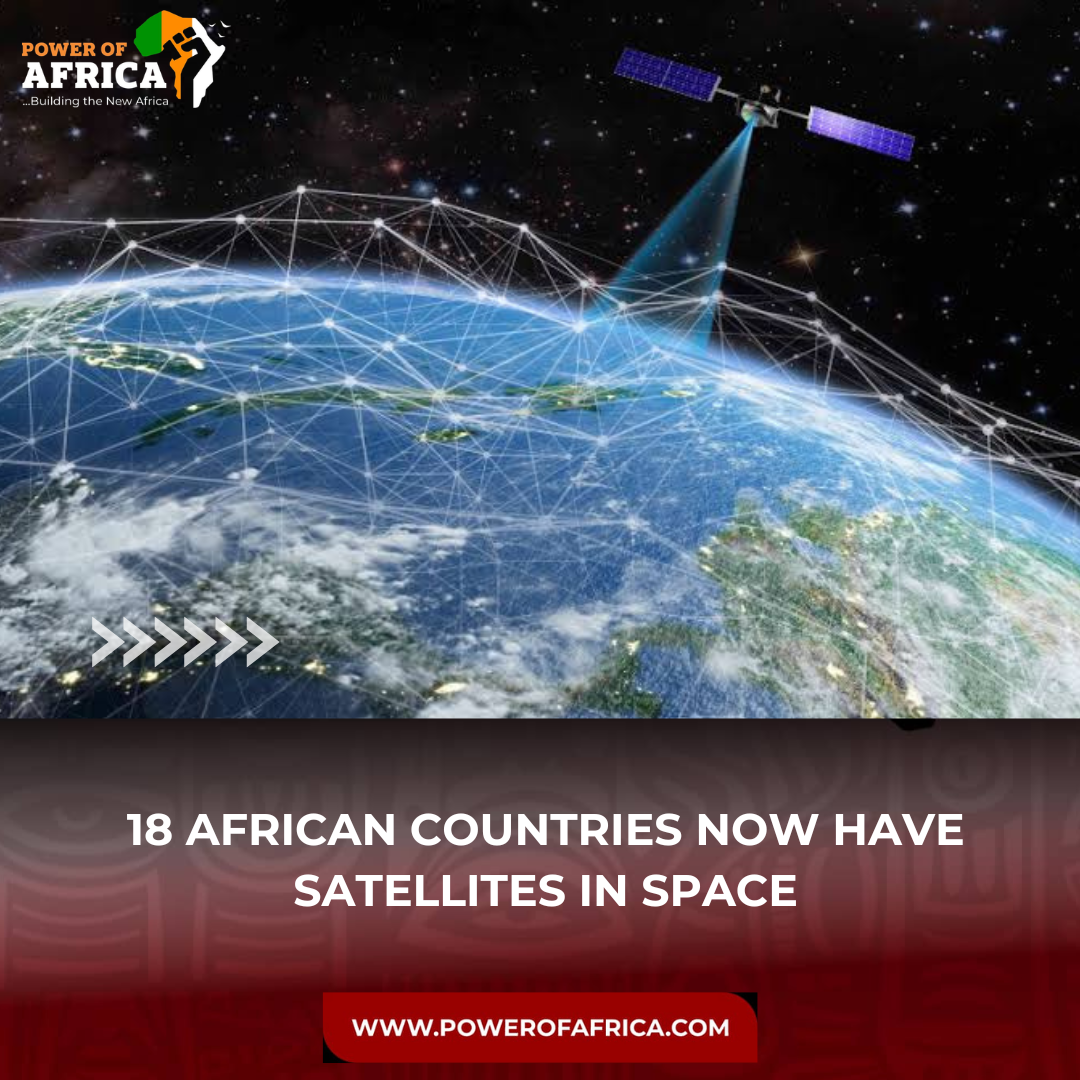
Africa’s presence in space is growing, with 18 African countries having launched satellites into orbit as the continent expands its use of space technology for development.
The countries include Egypt, South Africa, Algeria, Nigeria, Morocco, Kenya, Angola, Djibouti, Ethiopia, Rwanda, Zimbabwe, Botswana, Ghana, Mauritius, Senegal, Sudan, Tunisia and Uganda.
Egypt became the first African country to launch a satellite in 1998, while South Africa followed in 1999. Since then, more countries have developed satellite programmes to support agriculture, telecommunications, environmental monitoring, disaster management, mapping and security.
The countries include Egypt, South Africa, Algeria, Nigeria, Morocco, Kenya, Angola, Djibouti, Ethiopia, Rwanda, Zimbabwe, Botswana, Ghana, Mauritius, Senegal, Sudan, Tunisia and Uganda.
Egypt became the first African country to launch a satellite in 1998, while South Africa followed in 1999. Since then, more countries have developed satellite programmes to support agriculture, telecommunications, environmental monitoring, disaster management, mapping and security.
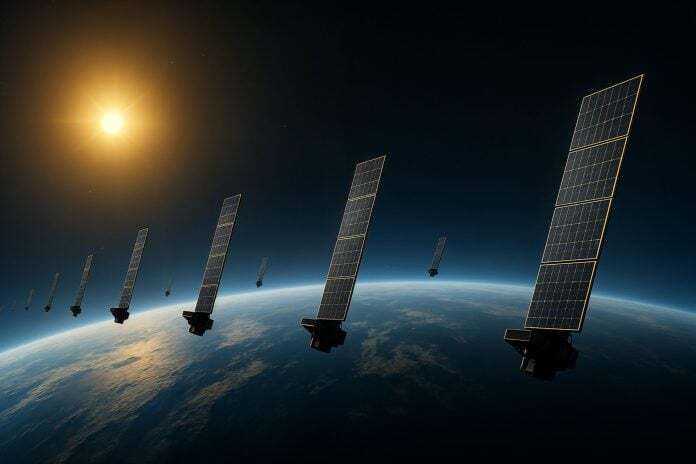
Nigeria has used its satellite programme for applications including agriculture, broadband connectivity, mapping and disaster management. Kenya, Rwanda, Senegal, Botswana and other countries are also building their presence in the sector.
The growth reflects Africa’s increasing interest in using space technology to address challenges on the ground. However, the continent still relies heavily on international partners for satellite launches and faces challenges around funding, infrastructure, research and skilled talent.
With the African Space Agency now strengthening cooperation across the continent, Africa’s space ambitions are moving beyond simply owning satellites. The focus is increasingly on using space technology to improve lives and support Africa’s digital and economic development.
The growth reflects Africa’s increasing interest in using space technology to address challenges on the ground. However, the continent still relies heavily on international partners for satellite launches and faces challenges around funding, infrastructure, research and skilled talent.
With the African Space Agency now strengthening cooperation across the continent, Africa’s space ambitions are moving beyond simply owning satellites. The focus is increasingly on using space technology to improve lives and support Africa’s digital and economic development.
