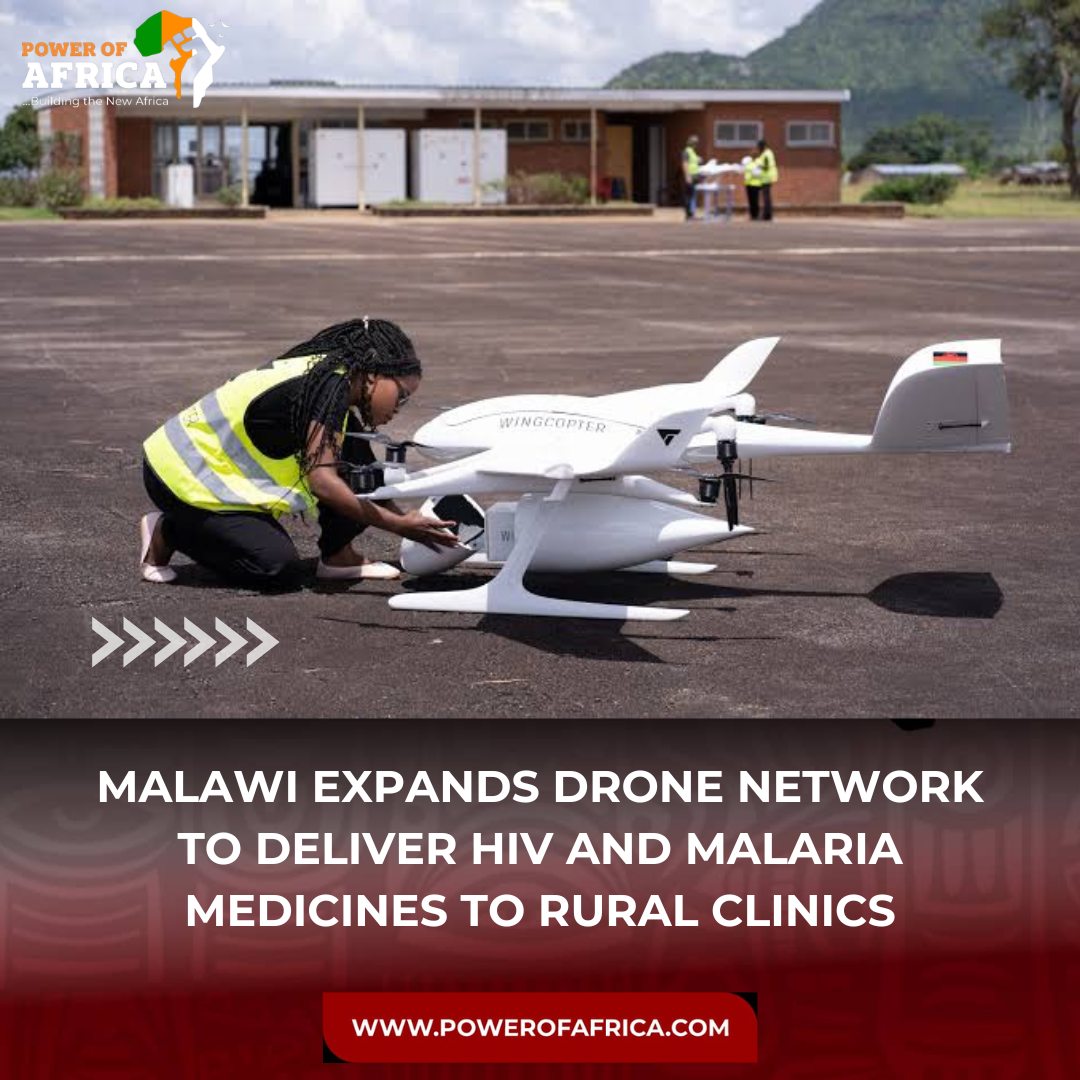
Malawi is strengthening healthcare delivery in rural communities through the expansion of its drone based medical supply network, a move aimed at improving access to essential HIV and malaria medications for thousands of people living in hard to reach areas.
The initiative uses drones to transport medicines, vaccines, laboratory samples, and diagnostic results to remote health facilities that often face transportation challenges due to poor road infrastructure and long travel distances. Health officials say the technology is helping to reduce delays in treatment and improve healthcare outcomes for vulnerable populations.
The country’s drone delivery programme builds on several successful pilot projects carried out in partnership with organizations such as VillageReach, UNICEF, and other health partners. The programme has already demonstrated its ability to deliver medical supplies faster and more efficiently than traditional transport methods, particularly in remote districts and island communities.
According to healthcare stakeholders, drone deliveries have significantly reduced the time required to transport HIV testing samples and laboratory results, enabling quicker diagnosis and treatment for patients. The technology has also been used to transport malaria medicines, vaccines, and emergency medical supplies to facilities that are difficult to reach by road.
The initiative uses drones to transport medicines, vaccines, laboratory samples, and diagnostic results to remote health facilities that often face transportation challenges due to poor road infrastructure and long travel distances. Health officials say the technology is helping to reduce delays in treatment and improve healthcare outcomes for vulnerable populations.
The country’s drone delivery programme builds on several successful pilot projects carried out in partnership with organizations such as VillageReach, UNICEF, and other health partners. The programme has already demonstrated its ability to deliver medical supplies faster and more efficiently than traditional transport methods, particularly in remote districts and island communities.
According to healthcare stakeholders, drone deliveries have significantly reduced the time required to transport HIV testing samples and laboratory results, enabling quicker diagnosis and treatment for patients. The technology has also been used to transport malaria medicines, vaccines, and emergency medical supplies to facilities that are difficult to reach by road.
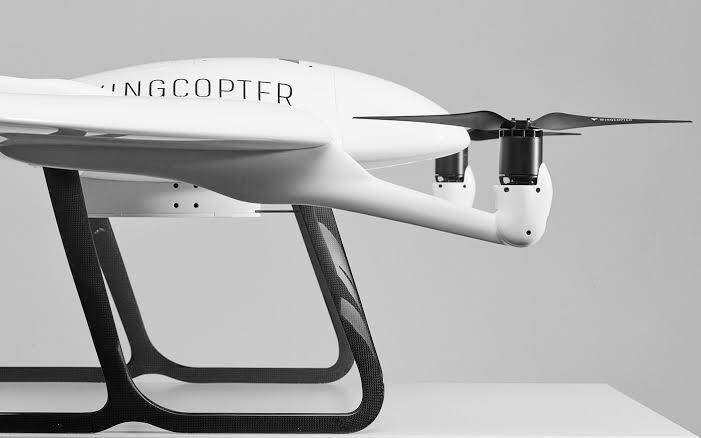
Malawi has emerged as one of Africa’s leaders in the use of drone technology for healthcare and humanitarian services. The country launched Africa’s first humanitarian drone testing corridor in 2017 and has continued to expand the use of unmanned aerial vehicles in public health delivery.
Experts believe the continued expansion of drone supported healthcare logistics could help bridge healthcare access gaps, especially for rural communities where medical supplies are often delayed by challenging terrain and limited transportation options.
As the programme grows, health authorities hope the technology will contribute to faster medical response times, improved disease management, and better health outcomes for people living in underserved areas across the country.
Experts believe the continued expansion of drone supported healthcare logistics could help bridge healthcare access gaps, especially for rural communities where medical supplies are often delayed by challenging terrain and limited transportation options.
As the programme grows, health authorities hope the technology will contribute to faster medical response times, improved disease management, and better health outcomes for people living in underserved areas across the country.
