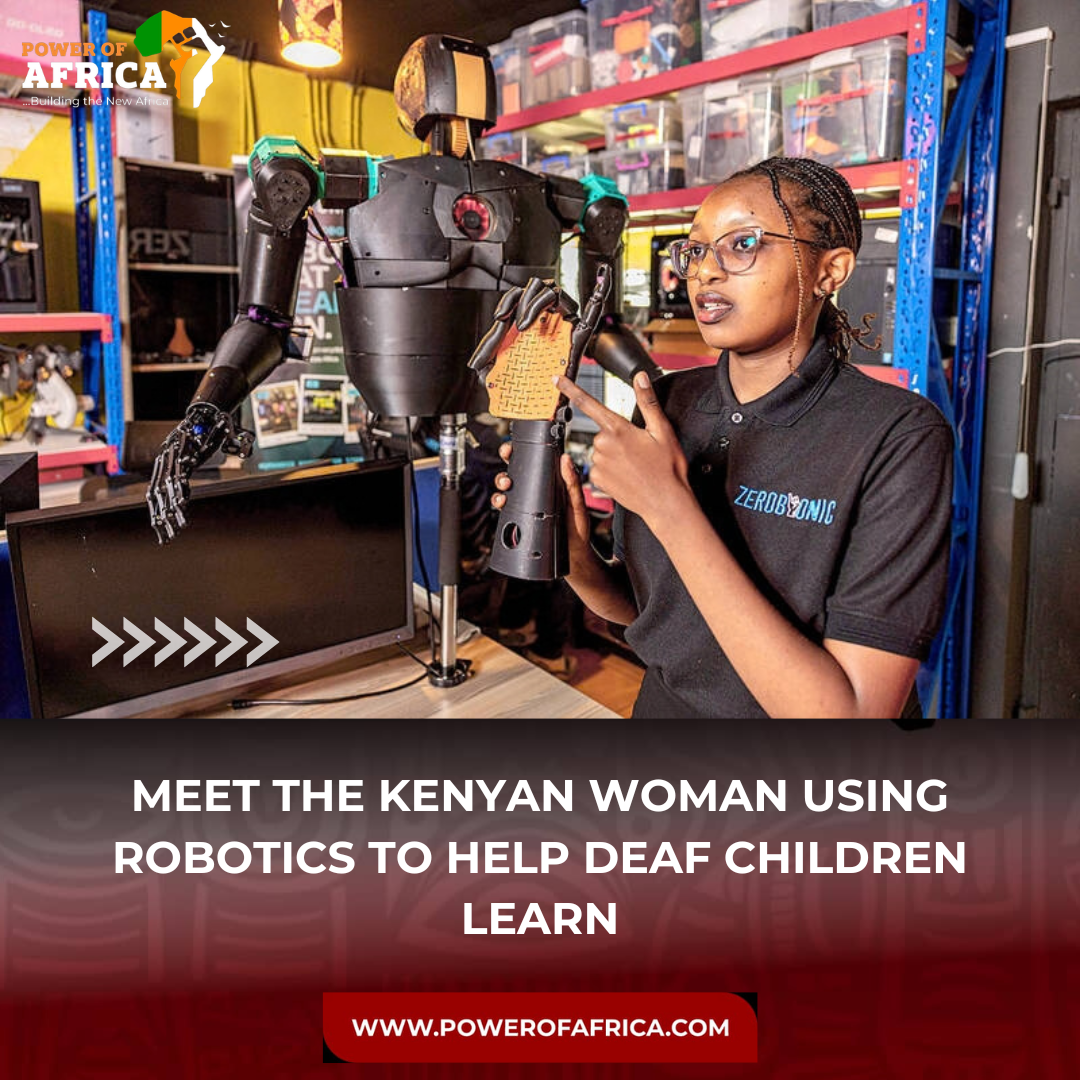
At just 22, Norah Kimathi is using robotics and AI to tackle a very real challenge in Kenya’s classrooms.
As co-founder of ZeroBionic, Kimathi is helping develop robotic arms that can translate a teacher’s speech into sign language in real time, giving deaf students another way to follow lessons.
The technology is already being tested in schools for deaf children in Nairobi, including Kasarani Treeside Secondary School for the Deaf.
But the team is going beyond translation. They are also building a database of Kenyan and other African sign-language terms, including vocabulary used in subjects like maths, science and technology.
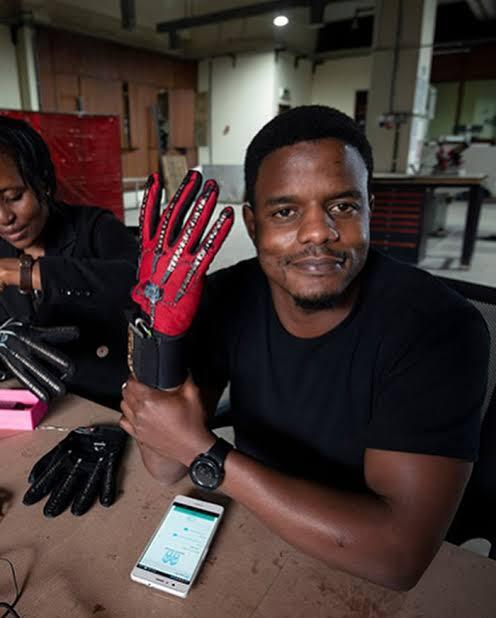
The goal is simple: help deaf children understand what is being taught and give them a better chance to participate in the same classrooms as everyone else.
And the technology is already reaching 78 schools across Kenya.
This is what African innovation can look like when technology meets a problem that actually matters.
And the technology is already reaching 78 schools across Kenya.
This is what African innovation can look like when technology meets a problem that actually matters.
