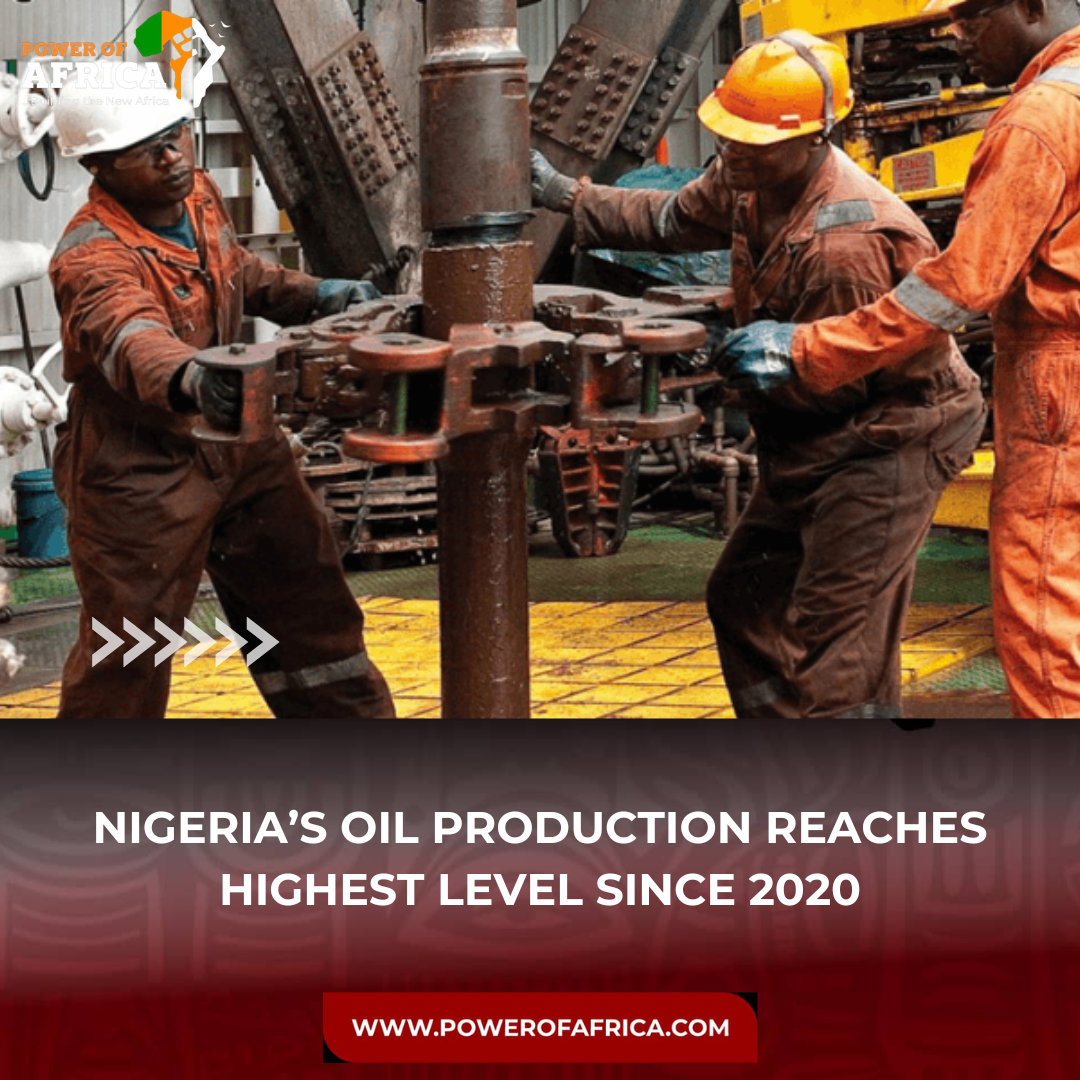
Nigeria’s crude oil production reached its highest monthly level in more than four years, marking a significant milestone for the country’s energy sector. According to official data released in June, production rose to its strongest level since 2020, reflecting ongoing efforts to improve output and strengthen the nation’s oil industry.
The increase comes as the Nigerian government continues to tackle crude oil theft, pipeline vandalism, and operational disruptions that have affected production in recent years. Improved security measures in key oil producing regions, alongside renewed investments in infrastructure, have contributed to the steady recovery.
Higher production is expected to provide a welcome boost to Nigeria’s economy. As Africa’s largest oil producer, increased crude output could strengthen government revenue, improve foreign exchange earnings, and support the implementation of the country’s budget, which relies heavily on oil income.
Industry analysts note that maintaining this momentum will require continued investment, stable operating conditions, and sustained collaboration between government agencies, oil companies, and host communities. They also emphasize the importance of expanding refining capacity and diversifying the economy to reduce long term dependence on crude oil exports.
The increase comes as the Nigerian government continues to tackle crude oil theft, pipeline vandalism, and operational disruptions that have affected production in recent years. Improved security measures in key oil producing regions, alongside renewed investments in infrastructure, have contributed to the steady recovery.
Higher production is expected to provide a welcome boost to Nigeria’s economy. As Africa’s largest oil producer, increased crude output could strengthen government revenue, improve foreign exchange earnings, and support the implementation of the country’s budget, which relies heavily on oil income.
Industry analysts note that maintaining this momentum will require continued investment, stable operating conditions, and sustained collaboration between government agencies, oil companies, and host communities. They also emphasize the importance of expanding refining capacity and diversifying the economy to reduce long term dependence on crude oil exports.

While the latest figures are encouraging, experts caution that global oil prices, market demand, and geopolitical developments will continue to influence Nigeria’s earnings from crude exports. Even so, the June production figures signal growing confidence in the country’s ability to restore output after years of volatility.
If the upward trend continues, Nigeria could strengthen its position within the global oil market while creating greater opportunities for economic growth and investment across the energy sector.
If the upward trend continues, Nigeria could strengthen its position within the global oil market while creating greater opportunities for economic growth and investment across the energy sector.
