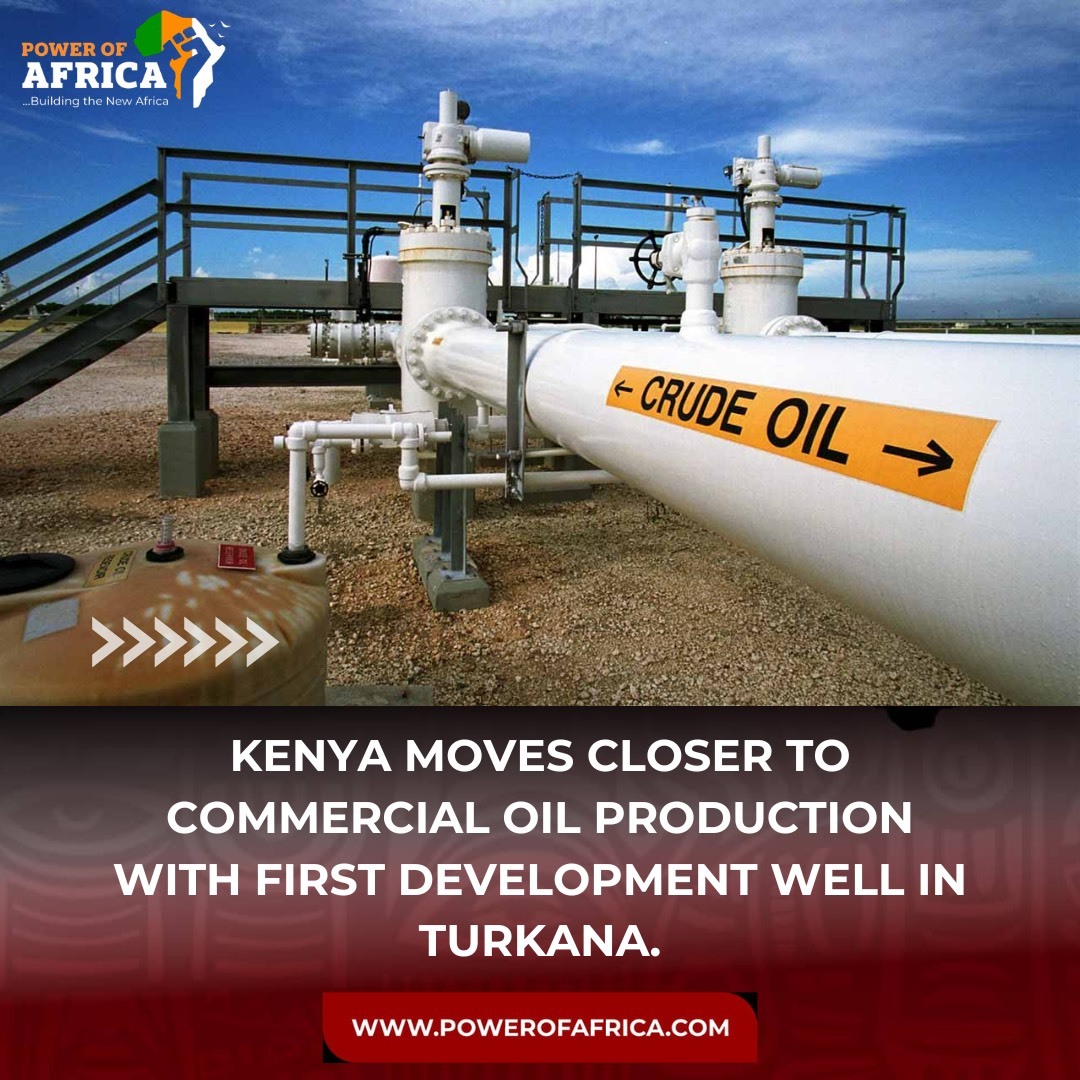
Kenya is preparing to drill its fi rst development well in the South Lokichar oil fi elds in Turkana County, marking a major milestone in the country's long-awaited journey toward commercial oil production.
The project represents a signifi cant shift from years of exploration to full-scale development. After more than a decade of planning, investment, and regulatory approvals, Kenya is now entering a new phase that could see the country join the ranks of Africa's oil-producing nations.
The South Lokichar project, now led by Gulf Energy, is expected to begin production with around 20,000 barrels of crude oil per day, with output projected to increase to 50,000 barrels per day by 2032 under a phased development plan. Government offi cials have indicated that the fi rst commercial oil exports could take place before the end of 2026 if the project remains on schedule.
The drilling of the fi rst development well is seen as one of the most important milestones in the project's history. Unlike exploratory wells used to confi rm the presence of oil, development wells are drilled to produce oil commercially, bringing Kenya closer to generating revenue from its petroleum resources.
Offi cials estimate that the project could attract billions of dollars in investment over its lifetime while creating thousands of direct and indirect jobs in construction, logistics, engineering, and oil production. Local businesses are also expected to benefi t through procurement opportunities and support services linked to the development of the oil fi elds.
The project represents a signifi cant shift from years of exploration to full-scale development. After more than a decade of planning, investment, and regulatory approvals, Kenya is now entering a new phase that could see the country join the ranks of Africa's oil-producing nations.
The South Lokichar project, now led by Gulf Energy, is expected to begin production with around 20,000 barrels of crude oil per day, with output projected to increase to 50,000 barrels per day by 2032 under a phased development plan. Government offi cials have indicated that the fi rst commercial oil exports could take place before the end of 2026 if the project remains on schedule.
The drilling of the fi rst development well is seen as one of the most important milestones in the project's history. Unlike exploratory wells used to confi rm the presence of oil, development wells are drilled to produce oil commercially, bringing Kenya closer to generating revenue from its petroleum resources.
Offi cials estimate that the project could attract billions of dollars in investment over its lifetime while creating thousands of direct and indirect jobs in construction, logistics, engineering, and oil production. Local businesses are also expected to benefi t through procurement opportunities and support services linked to the development of the oil fi elds.
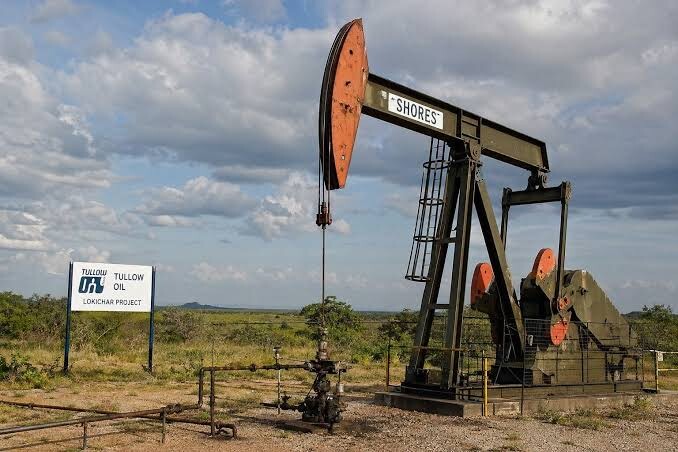
To support the initial phase of production, crude oil will be transported by road and rail to the coast for export while longer-term infrastructure continues to be developed. Authorities say the phased approach reduces fi nancial risk and allows production to begin sooner without waiting for major pipeline projects to be completed.
For Kenya, the Turkana project represents more than the start of commercial oil production. It is a strategic investment that could diversify the country's economy, strengthen energy security, attract foreign investment, and position Kenya as an emerging player in Africa's energy sector.
As drilling preparations move forward, all eyes will be on Turkana, where a discovery made more than a decade ago is fi nally edging closer to becoming one of Kenya's most signifi cant economic milestones.
For Kenya, the Turkana project represents more than the start of commercial oil production. It is a strategic investment that could diversify the country's economy, strengthen energy security, attract foreign investment, and position Kenya as an emerging player in Africa's energy sector.
As drilling preparations move forward, all eyes will be on Turkana, where a discovery made more than a decade ago is fi nally edging closer to becoming one of Kenya's most signifi cant economic milestones.
