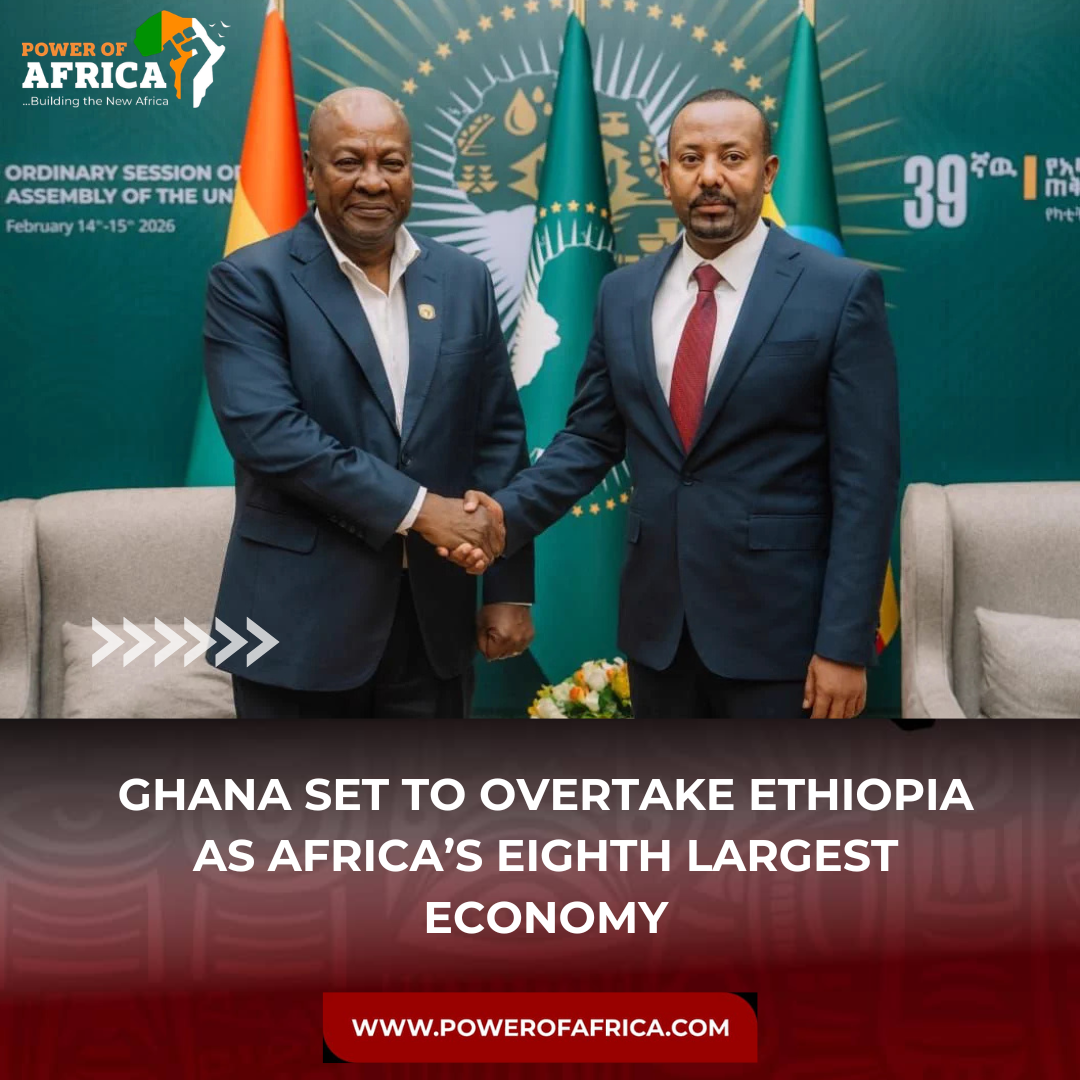
Ghana is projected to overtake Ethiopia as Africa’s eighth largest economy in 2026, with the International Monetary Fund (IMF) estimating a $1.49 billion difference between the two countries.
According to the latest projections, Ghana’s gross domestic product (GDP) is expected to reach $128.64 billion, compared with Ethiopia’s $127.15 billion.
Ghana’s economy benefits from gold production, cocoa exports and oil, which contribute to its export earnings and government revenue. Meanwhile, Ethiopia’s economy is supported by agriculture, manufacturing and services, alongside continued efforts to expand its industrial sector.
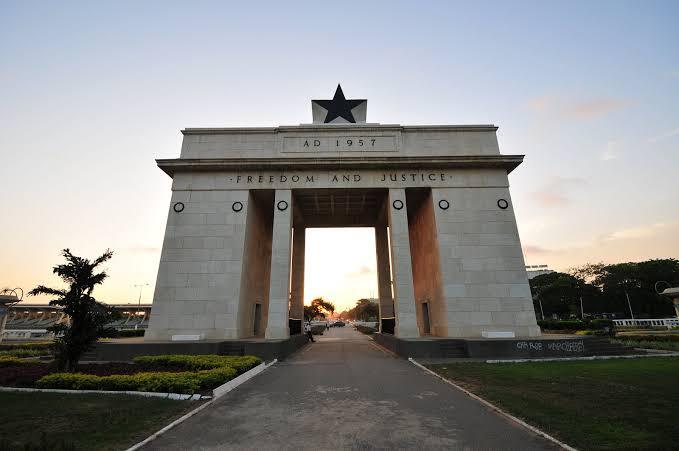
However, the projected shift does not necessarily mean Ethiopia’s economy is shrinking. Differences in economic growth, inflation and exchange rates can influence how countries rank when their GDP is measured in US dollars.
For Ghana, the projected ranking reflects its changing economic position on the continent. Both countries face the challenge of turning economic growth into better living standards, more jobs and stronger opportunities for their citizens.
For Ghana, the projected ranking reflects its changing economic position on the continent. Both countries face the challenge of turning economic growth into better living standards, more jobs and stronger opportunities for their citizens.
