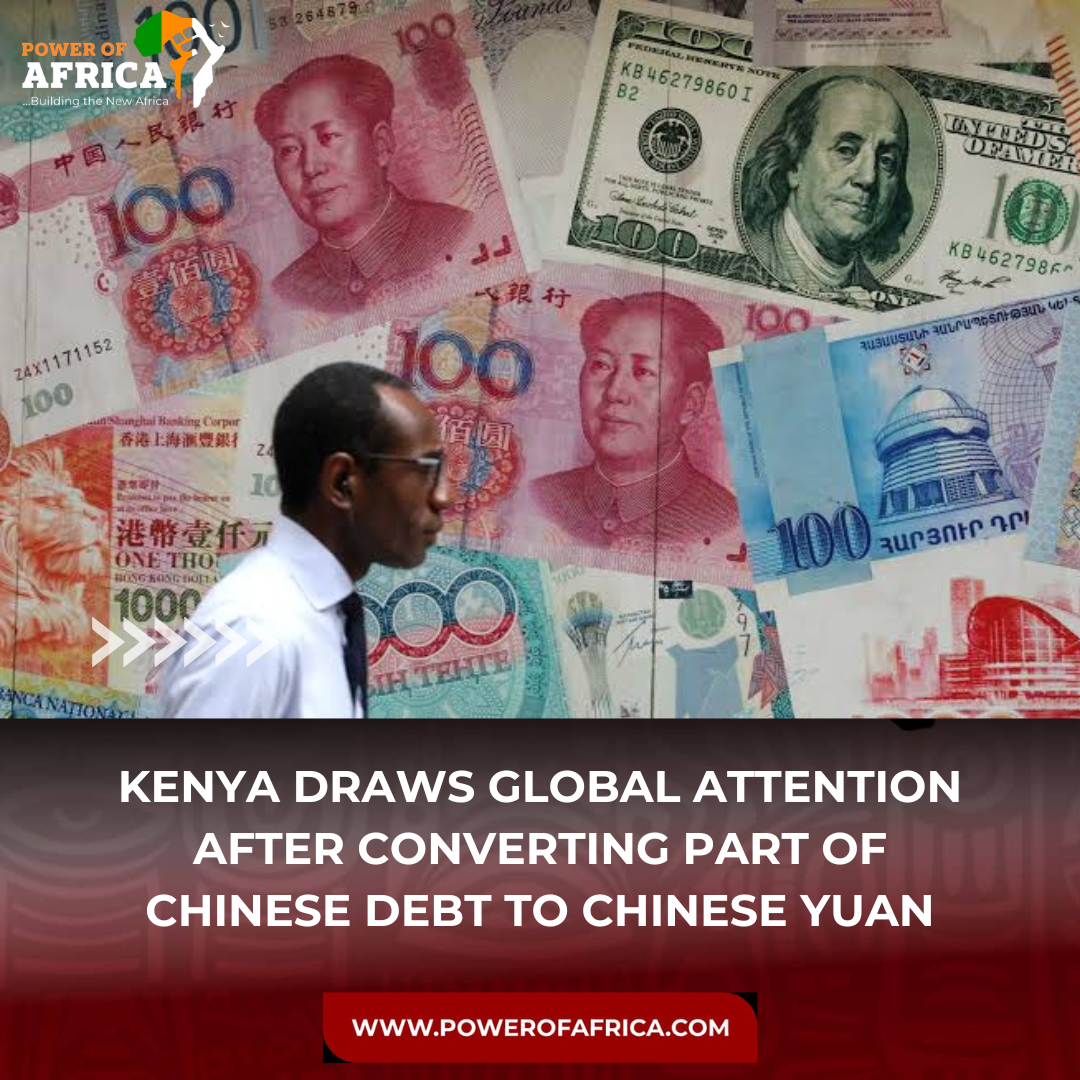
Kenya is attracting international attention after converting part of its debt owed to China from United States dollars to the Chinese yuan, a move aimed at reducing borrowing costs and easing pressure on the country’s public finances.
The debt conversion applies to three major Chinese funded railway loans that were originally denominated in United States dollars. Alongside the currency switch, Kenya also secured longer repayment periods and additional grace periods, significantly lowering its annual debt servicing costs.
According to reports, the restructuring is expected to save Kenya approximately 215 million United States dollars every year. The move has been described as one of the first major debt conversions of its kind by an African country and is being closely watched by other nations facing high debt repayment costs.
The decision has also sparked interest beyond Kenya. A recent study by AidData found that countries including Ethiopia, Mozambique, Zambia, Pakistan, and Indonesia are exploring similar arrangements with China as they seek ways to reduce the financial burden of servicing dollar denominated loans.
The debt conversion applies to three major Chinese funded railway loans that were originally denominated in United States dollars. Alongside the currency switch, Kenya also secured longer repayment periods and additional grace periods, significantly lowering its annual debt servicing costs.
According to reports, the restructuring is expected to save Kenya approximately 215 million United States dollars every year. The move has been described as one of the first major debt conversions of its kind by an African country and is being closely watched by other nations facing high debt repayment costs.
The decision has also sparked interest beyond Kenya. A recent study by AidData found that countries including Ethiopia, Mozambique, Zambia, Pakistan, and Indonesia are exploring similar arrangements with China as they seek ways to reduce the financial burden of servicing dollar denominated loans.
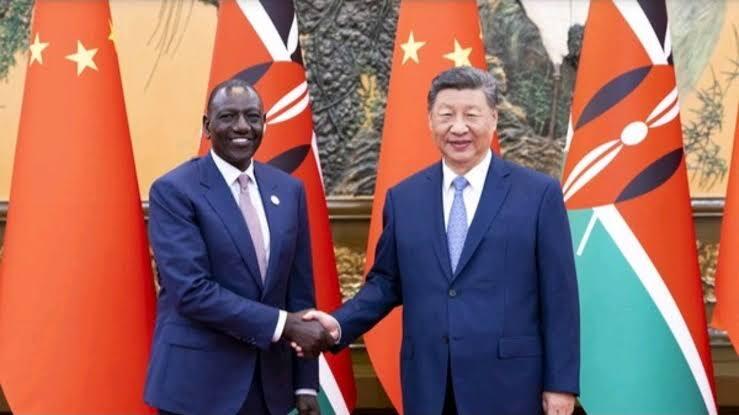
Analysts say the agreement reflects both Kenya’s efforts to manage its debt more efficiently and China’s broader push to increase the global use of the yuan in international lending. While the United States dollar remains the world’s dominant currency for international finance, the growing use of the yuan in cross border trade and lending is gaining momentum.
Economists have noted that although the conversion could lower interest expenses, countries adopting similar arrangements will still need to manage potential currency risks if their local currencies weaken against the yuan.
Kenya’s debt restructuring is expected to serve as an important case study for other developing economies seeking sustainable solutions to rising debt obligations while maintaining access to international financing.
Economists have noted that although the conversion could lower interest expenses, countries adopting similar arrangements will still need to manage potential currency risks if their local currencies weaken against the yuan.
Kenya’s debt restructuring is expected to serve as an important case study for other developing economies seeking sustainable solutions to rising debt obligations while maintaining access to international financing.
