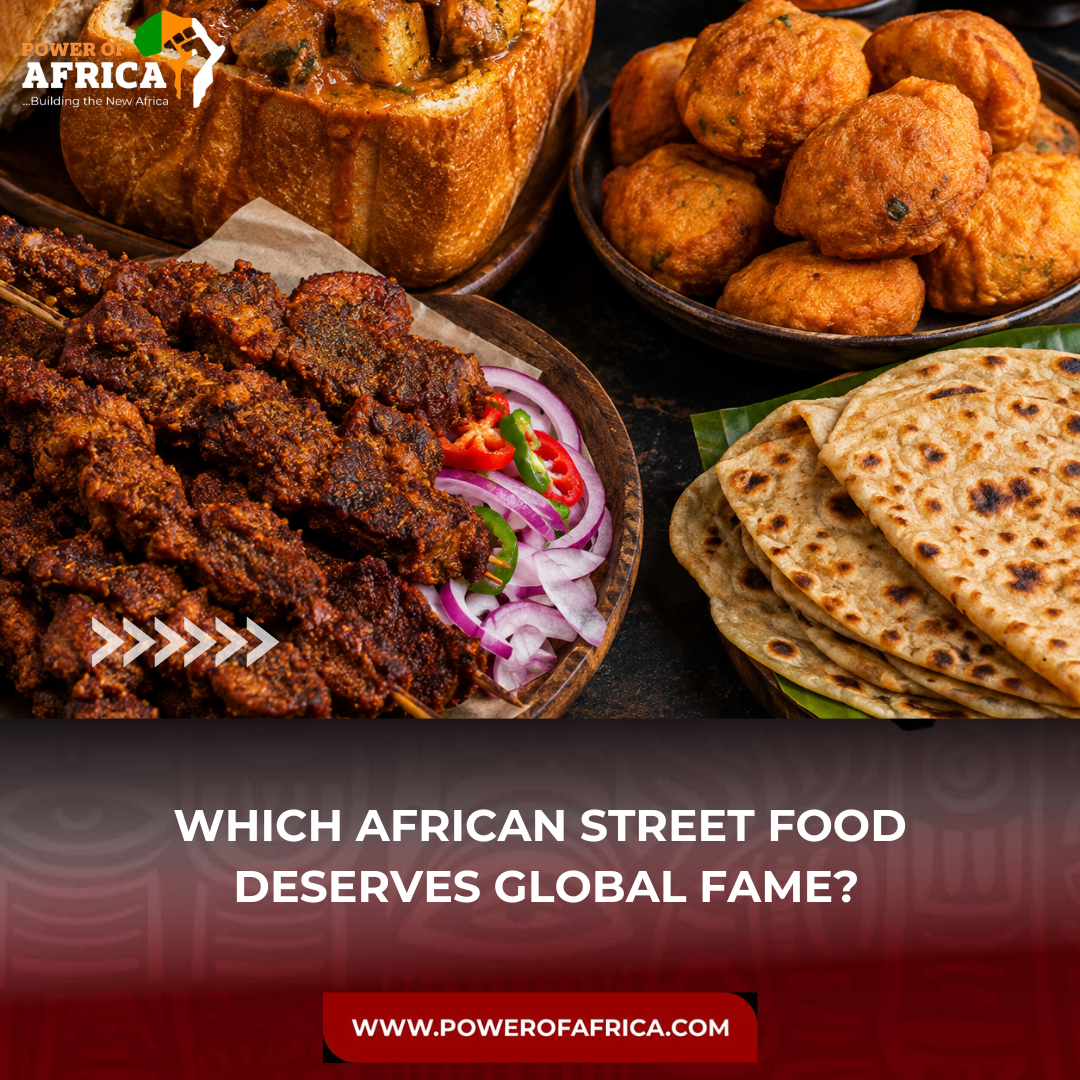
From smoky roadside grills in Lagos to bustling food stalls in Johannesburg, African street food is as diverse as the continent itself.
Across Africa, street food is more than a quick meal. It is part of everyday life, culture and community. Some dishes have already gained international attention, while many others remain waiting to be discovered.
Nigeria’s suya is one strong contender. Spiced, grilled meat served with onions and peppers has become a familiar favourite beyond Nigeria, especially across West Africa.
Then there is bunny chow from South Africa, a hollowed-out loaf of bread filled with curry. Originally associated with Durban, the dish has become one of South Africa’s most recognisable street foods.
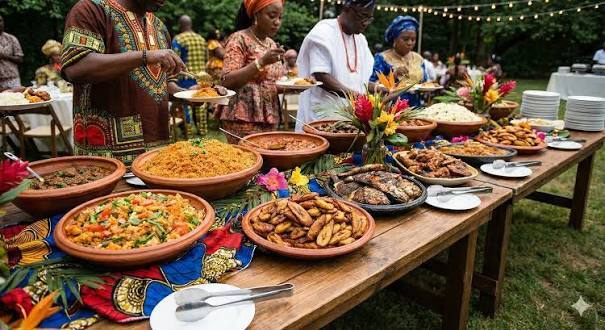
Akara, made from seasoned black-eyed pea batter and deep-fried until golden, is another West African favourite. Popular in Nigeria and other parts of the region, it is often eaten for breakfast or as a snack.
In East Africa, chapati is a street-food staple, enjoyed on its own or alongside dishes such as beans, meat and vegetables.
And these are only a few examples. From Ghanaian kelewele and waakye to Senegalese fataya and Ethiopian sambusas, Africa’s street-food culture offers countless flavours and stories.
The bigger question is: which one deserves to become the next globally recognised African street-food sensation?
