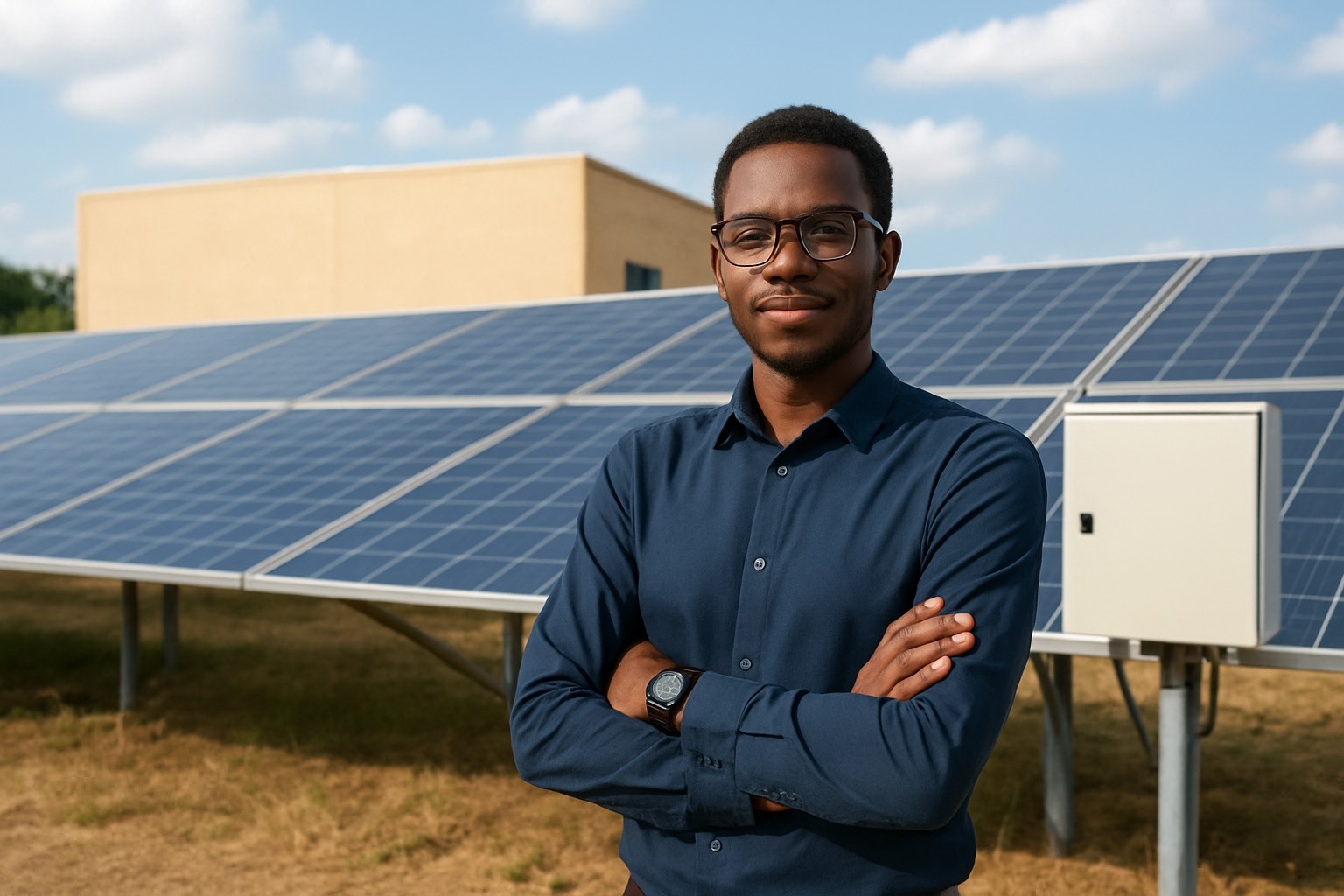
Gregory Rokosu, a 29-year-old engineer and clean-tech innovator from Benin, is emerging as one of Africa’s most promising minds in renewable energy. Rokosu is leading the development of what is being called Africa’s first AI-powered clean energy grid, a system designed to deliver reliable, low-cost electricity to communities while reducing carbon emissions.
His project uses artificial intelligence to predict energy demand, manage power distribution, and integrate solar, wind, and battery storage into one intelligent network. By using AI to balance supply and consumption in real time, Rokosu’s model significantly reduces power outages; a major challenge in many African countries.
The pilot grid, currently running in two communities in southern Benin, has already shown dramatic improvements in energy stability and cost efficiency. Local households and small businesses report a sharp drop in generator use and a rise in productive activity.
His project uses artificial intelligence to predict energy demand, manage power distribution, and integrate solar, wind, and battery storage into one intelligent network. By using AI to balance supply and consumption in real time, Rokosu’s model significantly reduces power outages; a major challenge in many African countries.
The pilot grid, currently running in two communities in southern Benin, has already shown dramatic improvements in energy stability and cost efficiency. Local households and small businesses report a sharp drop in generator use and a rise in productive activity.
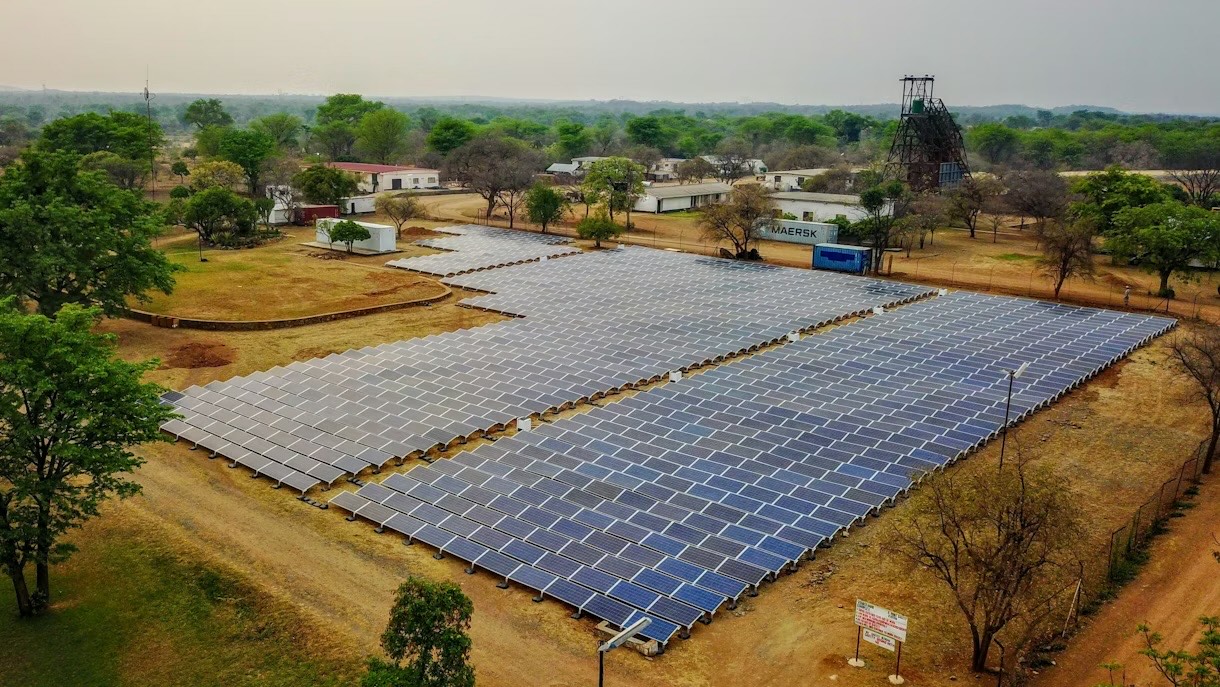
Rokosu says his vision is to help African nations leapfrog into the future of energy. His team is now working with regional partners to scale the technology across West Africa, with interest growing in Ghana, Togo and Côte d'Ivoire.
Seen as one of the new faces of Africa’s innovation wave, Gregory Rokosu represents the continent’s push toward homegrown solutions in clean technology, digital infrastructure and sustainable development.
Seen as one of the new faces of Africa’s innovation wave, Gregory Rokosu represents the continent’s push toward homegrown solutions in clean technology, digital infrastructure and sustainable development.
