
Africa’s story is incomplete without its women. Across the continent, women are not waiting to be included. They are building systems, shaping economies, and influencing global conversations. Women’s Month is not just a celebration. It is a reminder of who is already doing the work—and what is still possible.
In Nigeria, Ngozi Okonjo-Iweala stands as a symbol of global influence. As the Director-General of the World Trade Organization, she does not just represent Africa; she shapes decisions that affect how nations trade and grow. Her journey shows that African women are not limited to local impact. They can sit at global tables and lead with authority.
In Nigeria, Ngozi Okonjo-Iweala stands as a symbol of global influence. As the Director-General of the World Trade Organization, she does not just represent Africa; she shapes decisions that affect how nations trade and grow. Her journey shows that African women are not limited to local impact. They can sit at global tables and lead with authority.

Move east to Kenya, and you will find Wanjira Mathai. She continues the legacy of environmental leadership through her work with the World Resources Institute. Her focus is clear—sustainability is not optional for Africa’s future. It is necessary. Through her work, she is proving that African women are central to solving climate challenges, not just responding to them.

In Ghana, Rebecca Enonchong has extended her influence across borders. As the founder of AppsTech, she has played a major role in shaping Africa’s technology space. She represents a growing force of women who are not just using technology but building it. Her presence in tech challenges outdated ideas about who belongs in innovation.

Further south in South Africa, Phuti Mahanyele-Dabengwa leads at the highest level as the CEO of Naspers South Africa. Her leadership reflects a shift—African women are no longer on the sidelines of corporate power. They are in control, making decisions that shape industries and economies.

In Rwanda, women are redefining political leadership. Jeannette Kagame has played a strong role in advancing social development, particularly for women and children. Rwanda itself stands as one of the countries with the highest representation of women in government. This is not symbolic. It is structural change.

Back in media and storytelling, Mo Abudu continues to push African narratives onto the global stage through EbonyLife Media. She understands that power is not only in policy or finance. It is also in perception. By controlling stories, she is shaping how Africa is seen—and how Africans see themselves.
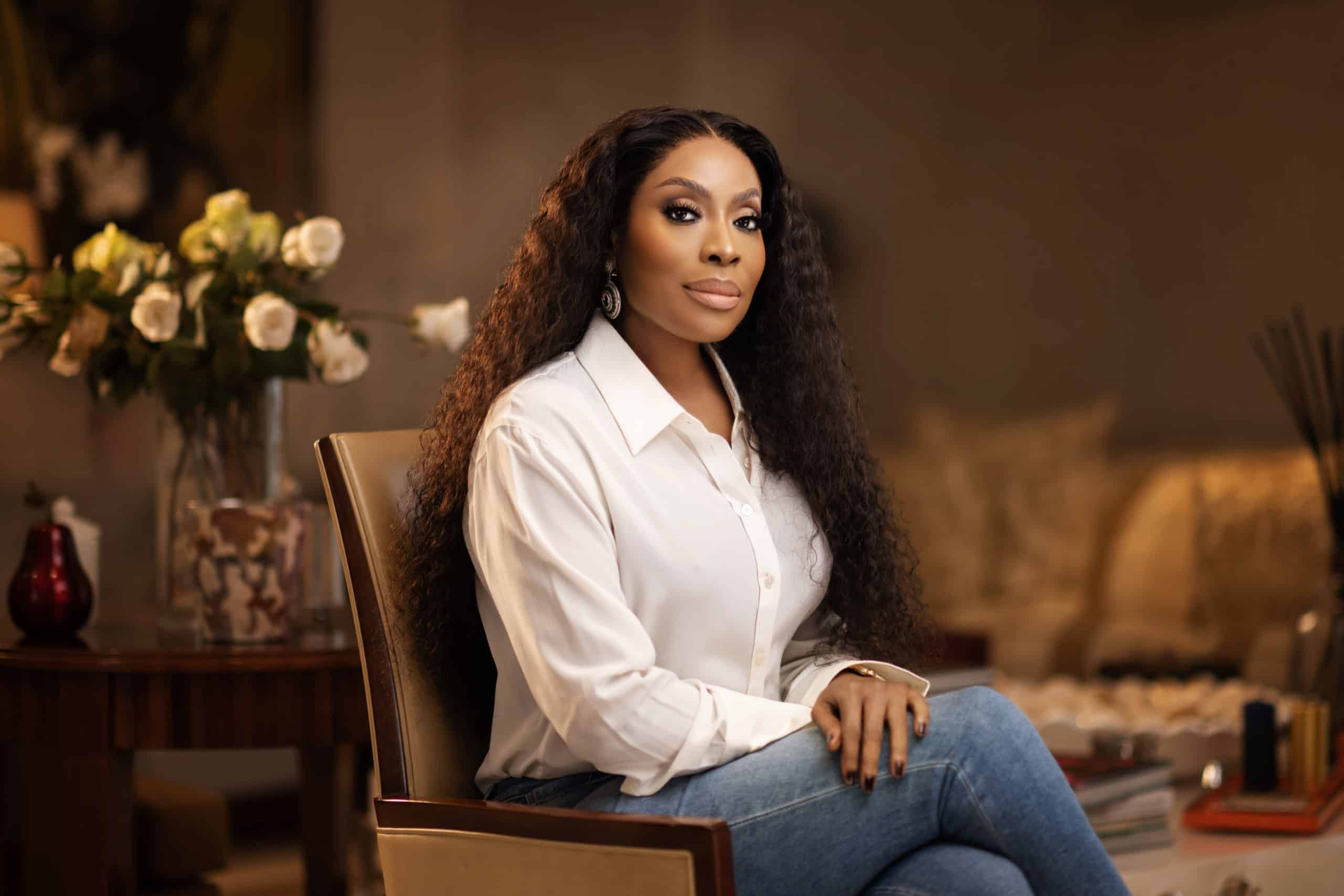
Across these countries and sectors, a pattern is clear. These women are not waiting for recognition. They are building legacies. They are consistent. They are intentional. And they understand the weight of their influence.
Women’s Month should push you to think beyond admiration. It should challenge you to locate yourself within this movement.
Where are you building influence?
What problem are you solving?
How are you positioning yourself for impact beyond your immediate environment?
Africa does not need more silent potential. It needs visible, active, and strategic women.
This is not just their story.
There is space for yours too.
Women’s Month should push you to think beyond admiration. It should challenge you to locate yourself within this movement.
Where are you building influence?
What problem are you solving?
How are you positioning yourself for impact beyond your immediate environment?
Africa does not need more silent potential. It needs visible, active, and strategic women.
This is not just their story.
There is space for yours too.