
Namibia has announced a 50% reduction in fuel levies for the next three months, a move aimed at cushioning citizens and businesses from rising fuel prices driven by ongoing global tensions.
The government says the temporary measure is designed to provide immediate relief to motorists, transport operators, and businesses that rely heavily on fuel. The reduction is expected to lower pump prices and ease the cost of transportation, which often affects the price of goods and services across the economy.
Officials noted that the decision comes at a time when global oil markets are under pressure due to the ongoing conflict involving the United States, Israel, and Iran. The instability has pushed fuel prices higher, placing additional strain on households and industries.
By cutting fuel levies, the government hopes to reduce inflationary pressure and stabilize the cost of living, particularly for low- and middle-income earners. Transport and logistics sectors, which are highly sensitive to fuel costs, are expected to benefit significantly from the move.
The government says the temporary measure is designed to provide immediate relief to motorists, transport operators, and businesses that rely heavily on fuel. The reduction is expected to lower pump prices and ease the cost of transportation, which often affects the price of goods and services across the economy.
Officials noted that the decision comes at a time when global oil markets are under pressure due to the ongoing conflict involving the United States, Israel, and Iran. The instability has pushed fuel prices higher, placing additional strain on households and industries.
By cutting fuel levies, the government hopes to reduce inflationary pressure and stabilize the cost of living, particularly for low- and middle-income earners. Transport and logistics sectors, which are highly sensitive to fuel costs, are expected to benefit significantly from the move.
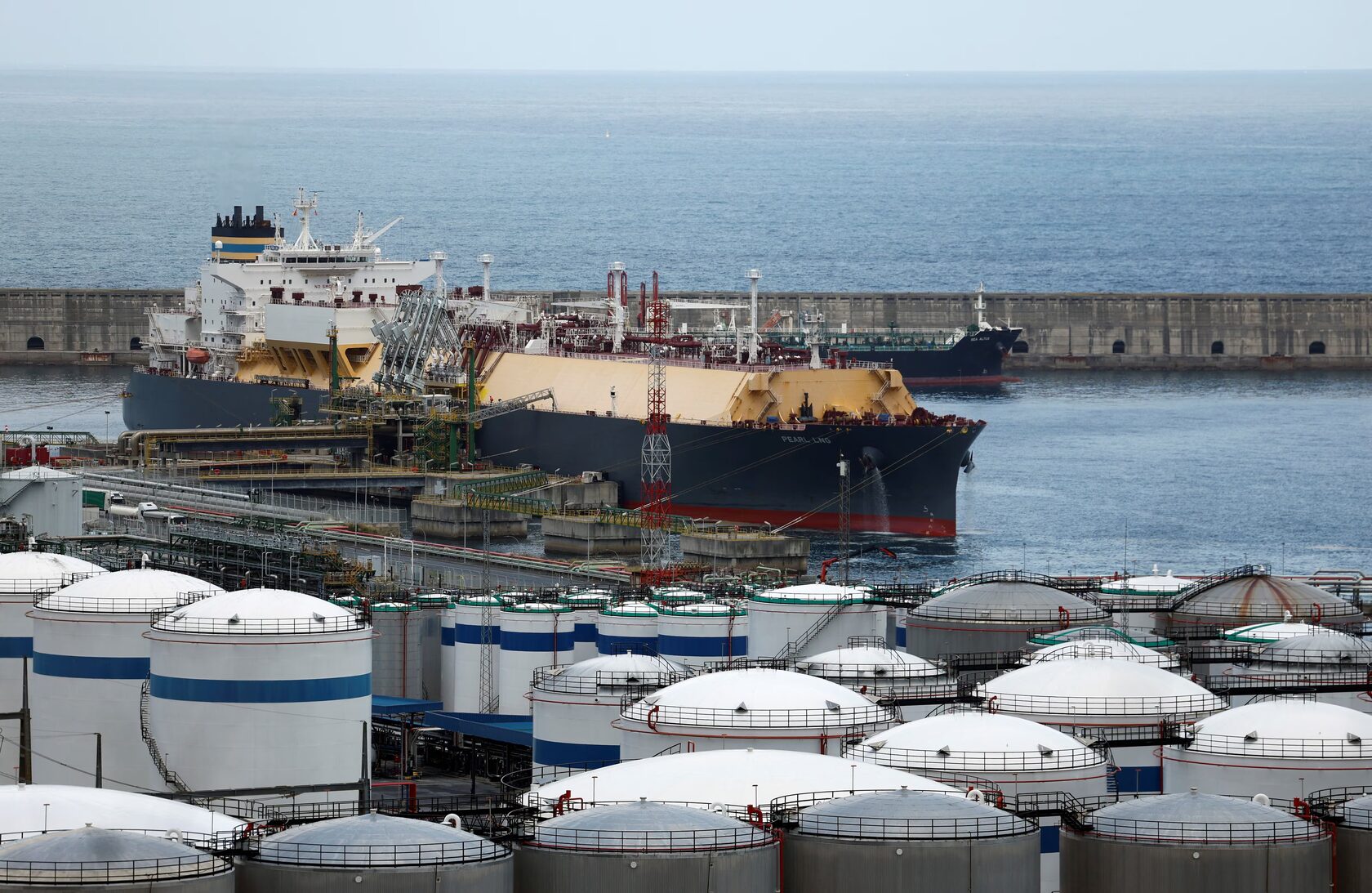
Economic analysts say fuel prices play a central role in Namibia’s economy, influencing everything from food prices to construction and retail costs. A reduction in fuel levies, even temporarily, can have a ripple effect by lowering operational expenses across multiple sectors.
The policy will remain in effect for three months, after which the government is expected to review global oil price trends and assess whether further intervention is needed.
The move reflects a broader effort by Namibia to shield its economy from external shocks while supporting businesses and citizens during a period of global uncertainty.
The policy will remain in effect for three months, after which the government is expected to review global oil price trends and assess whether further intervention is needed.
The move reflects a broader effort by Namibia to shield its economy from external shocks while supporting businesses and citizens during a period of global uncertainty.