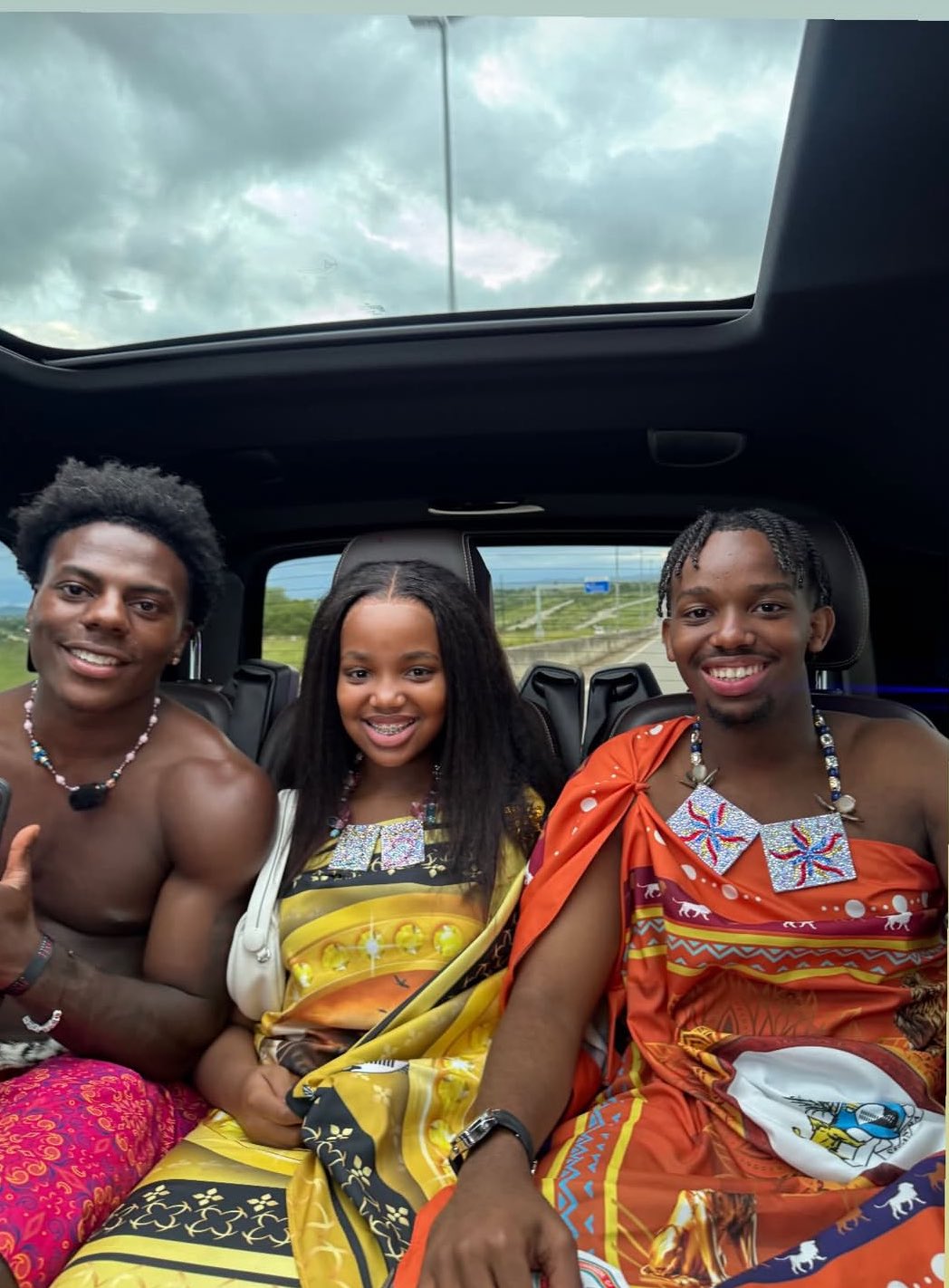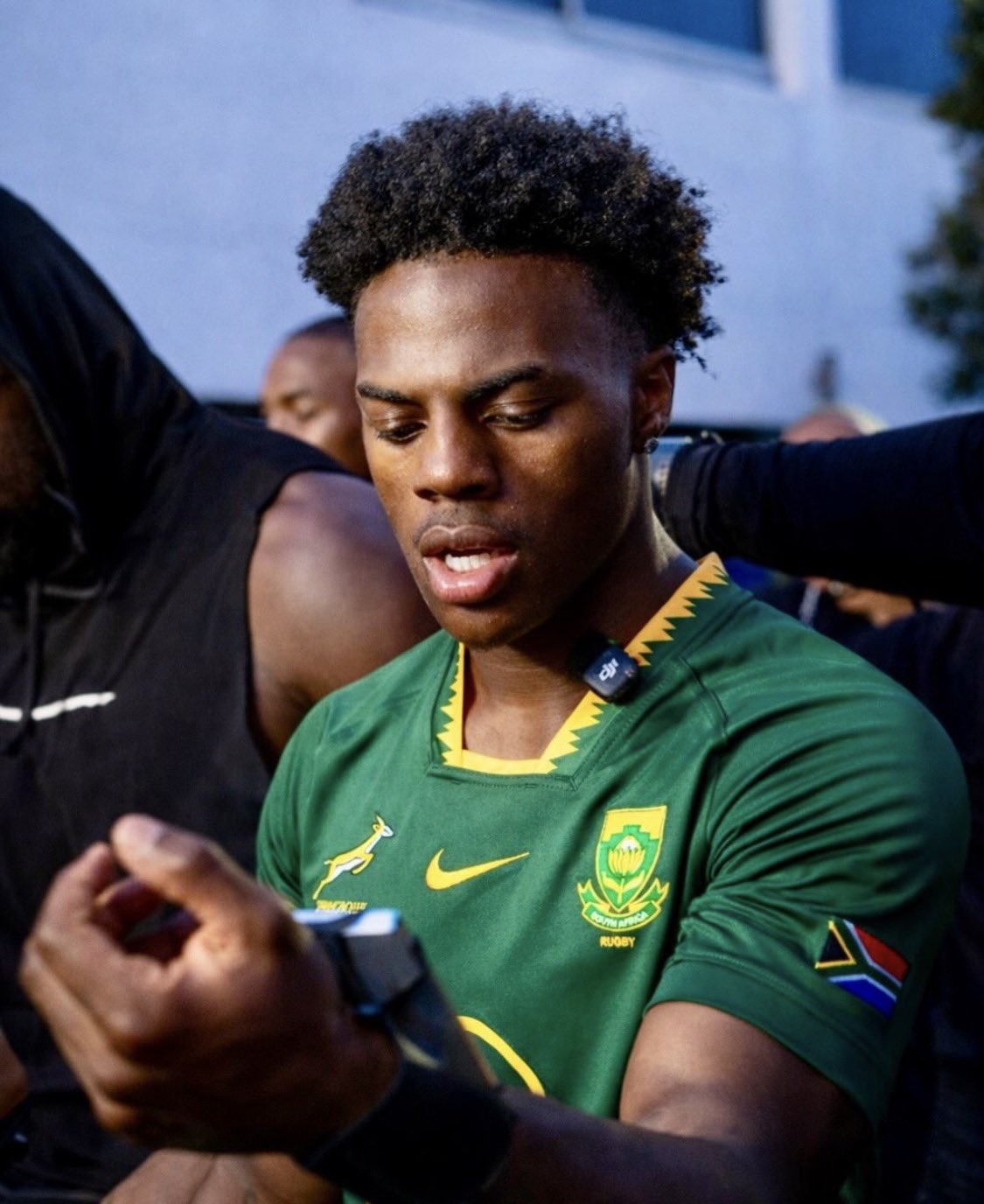
When IShowSpeed—known to millions simply as Speed—announced his tour across parts of Africa, many dismissed it as another chapter in the era of viral spectacle. The 19-year-old streamer, whose rise on YouTube and Twitch has been fueled by chaos, comedy, and unfiltered reactions, is not a diplomat, scholar, or head of state. Yet in the digital age, influence does not always wear a suit. Sometimes it wears a football jersey and carries a livestream rig. And in Speed’s case, that influence traveled far beyond entertainment.
His stopped in countries like Ghana, Nigeria, and South Africa generated scenes that were as electric as they were instructive. Thousands of young Africans flooded the streets to catch a glimpse of a creator they had only known through screens. The images—crowds chanting, dancing, waving flags—circulated globally within minutes. For many viewers outside the continent, this was a jarring counterpoint to the tired tropes that too often define Africa in Western media: famine, conflict, instability. Instead, they saw vibrancy, digital connectivity, and a youth culture that is as online and engaged as any in Los Angeles or London.
His stopped in countries like Ghana, Nigeria, and South Africa generated scenes that were as electric as they were instructive. Thousands of young Africans flooded the streets to catch a glimpse of a creator they had only known through screens. The images—crowds chanting, dancing, waving flags—circulated globally within minutes. For many viewers outside the continent, this was a jarring counterpoint to the tired tropes that too often define Africa in Western media: famine, conflict, instability. Instead, they saw vibrancy, digital connectivity, and a youth culture that is as online and engaged as any in Los Angeles or London.
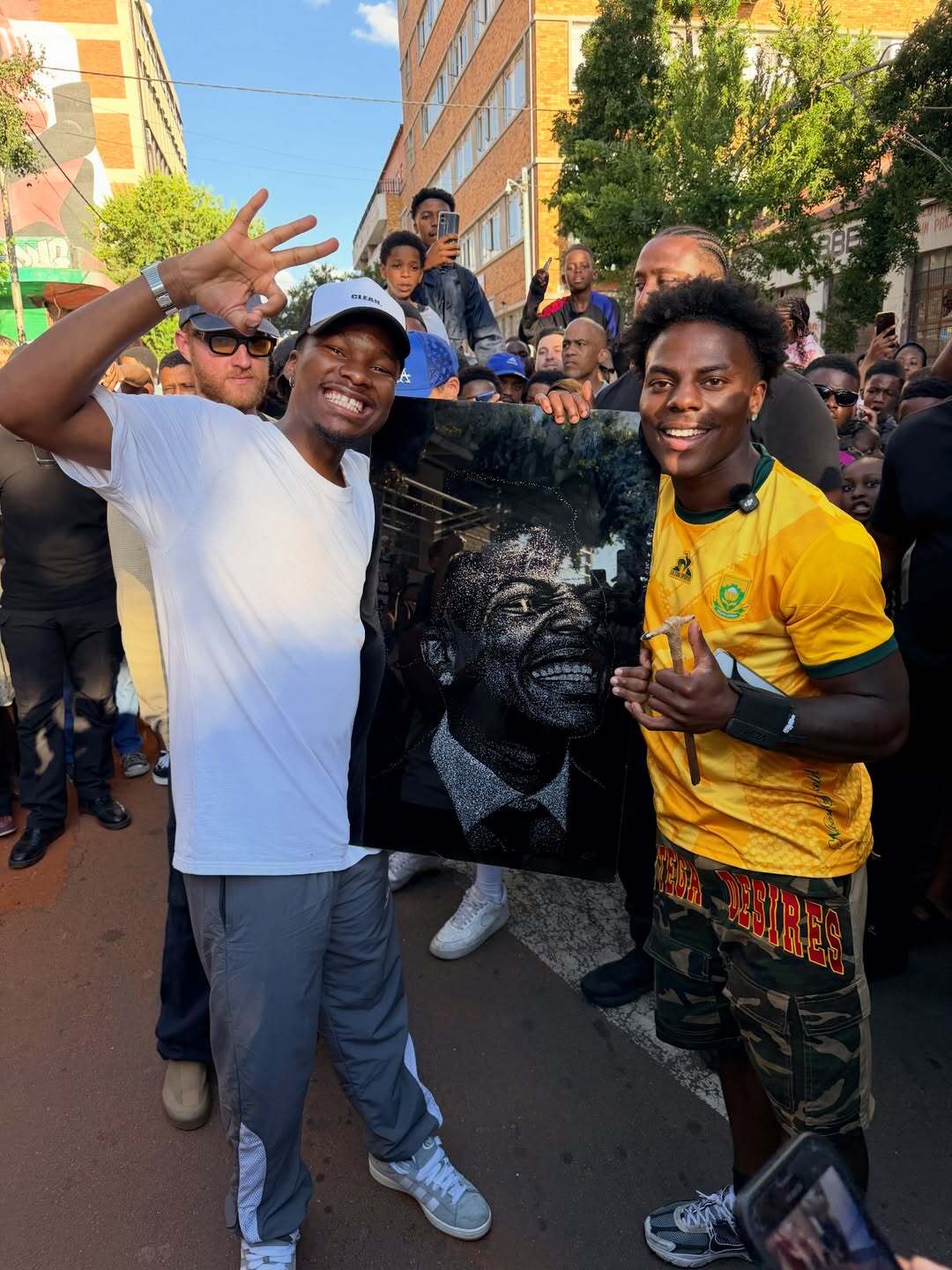
What Speed’s tour revealed most clearly is that Africa is no longer a peripheral audience in the global digital economy. It is central to it. Mobile penetration is high, social media adoption is soaring, and local creators are building massive followings of their own. By collaborating with African streamers, musicians, and fans, Speed inadvertently spotlighted an ecosystem that global brands and governments can no longer afford to overlook.
The broader impact lies in perception. For decades, Africa’s global image has been filtered through foreign correspondents and aid campaigns. Now, live streams by-pass traditional gatekeepers. Millions watched unedited, unmediated interactions between an American influencer and African youth. They saw humor, hospitality, entrepreneurship, and pride. They saw infrastructure challenges, yes—but also modern skylines, tech-savvy fans, and cultural confidence.
The broader impact lies in perception. For decades, Africa’s global image has been filtered through foreign correspondents and aid campaigns. Now, live streams by-pass traditional gatekeepers. Millions watched unedited, unmediated interactions between an American influencer and African youth. They saw humor, hospitality, entrepreneurship, and pride. They saw infrastructure challenges, yes—but also modern skylines, tech-savvy fans, and cultural confidence.
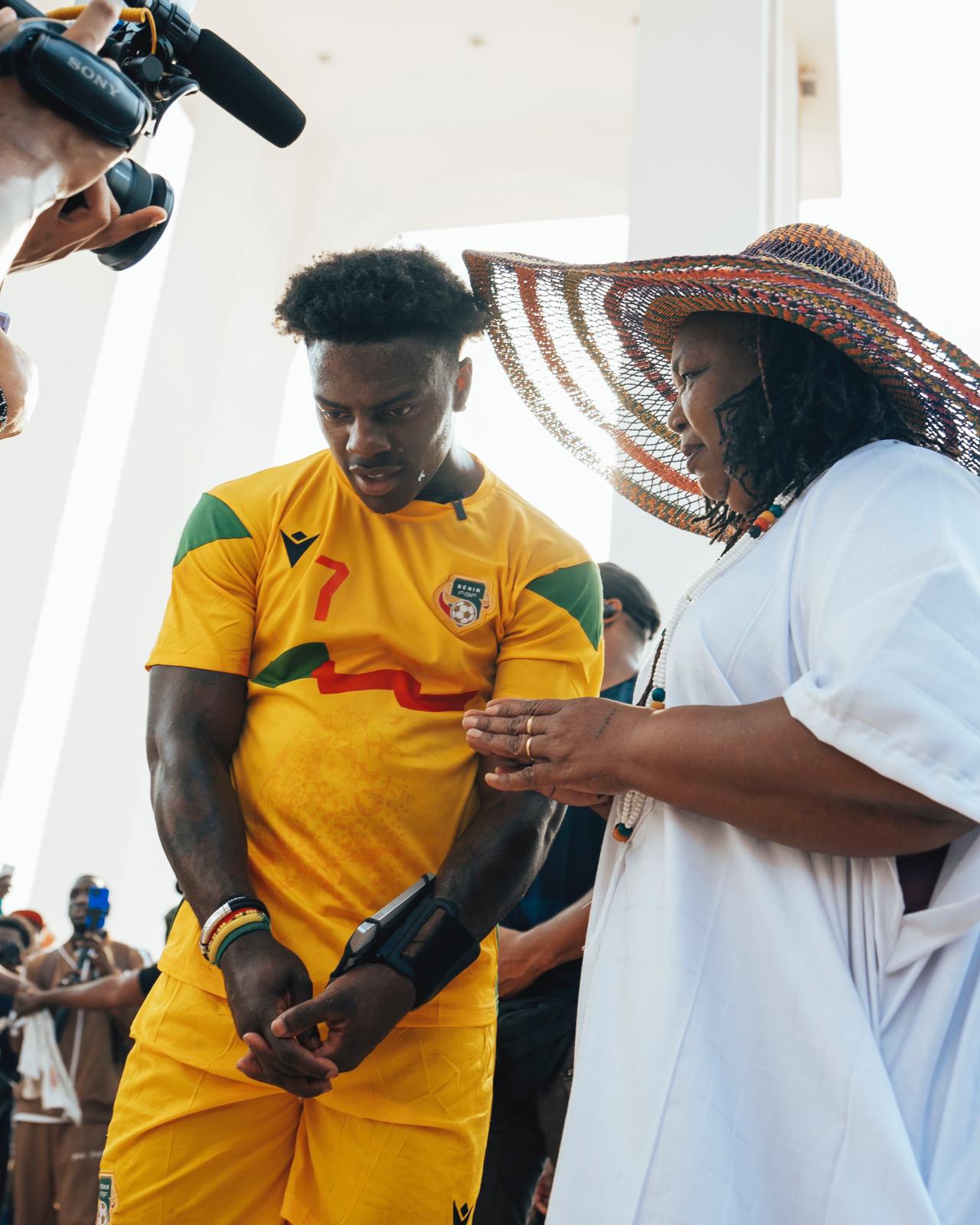
It would be naive to claim that one influencer tour can overturn centuries of misrepresentation. But symbols matter. Visibility matters. When one of the internet’s most recognizable personalities like Speed dedicates time and attention to African cities—and treats them as stages worthy of his global platform—that signals a shift. It tells the world that Africa is not a backdrop for charity narratives; it is a hub of culture, commerce, and digital influence.
In the end, Speed may have arrived seeking content. What he found—and inadvertently showcased—was a continent rewriting its own story in real time.
In the end, Speed may have arrived seeking content. What he found—and inadvertently showcased—was a continent rewriting its own story in real time.