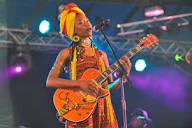
In Mali, music is more than entertainment. It is history, memory, and survival woven into sound. From the griots who carried oral traditions for centuries to global icons like Salif Keita and Oumou Sangaré, Malian music has long been one of Africa’s cultural treasures. Yet in recent years, the country has faced political instability, violent conflict, and restrictions that threatened to silence this vibrant tradition. Instead of fading, Mali’s music has adapted, resisted, and continued to remind the world that creativity can outlast crisis.
During the height of insurgency in northern Mali, militants imposed bans on public performances. Instruments were burned, concerts shut down, and musicians forced to flee. For a nation where music is central to social life, this was an attempt to erase culture itself. But the response was defiance. Musicians began to perform underground, record in secret, or take their art abroad while keeping Malian identity at the core of their work. Albums recorded in exile became global anthems of resilience, showing that even in silence, the music refused to die.
During the height of insurgency in northern Mali, militants imposed bans on public performances. Instruments were burned, concerts shut down, and musicians forced to flee. For a nation where music is central to social life, this was an attempt to erase culture itself. But the response was defiance. Musicians began to perform underground, record in secret, or take their art abroad while keeping Malian identity at the core of their work. Albums recorded in exile became global anthems of resilience, showing that even in silence, the music refused to die.
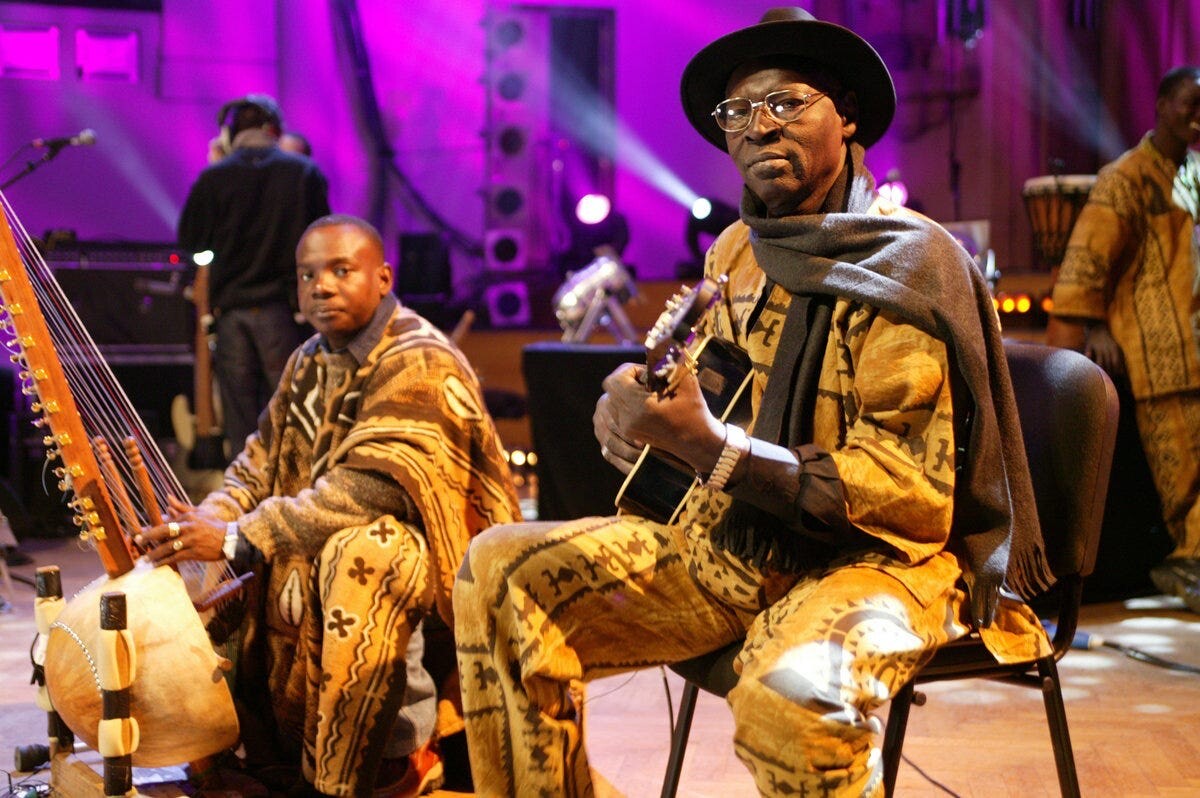
What makes Malian music so powerful is its deep connection to the people. The kora, the ngoni, and the djembe are not just instruments. They are voices of ancestors, storytellers of struggles and triumphs. When young artists blend these traditional sounds with modern influences like hip hop, reggae, or electronic beats, they are not abandoning tradition. They are proving that culture is alive, flexible, and strong enough to carry new generations.
Today, festivals like the Festival sur le Niger in Ségou and international collaborations keep Mali on the global stage. Even when security challenges force cancellations or relocations, the spirit of the events endures. Musicians continue to draw audiences from around the world who come not only to hear rhythms but to witness a culture that refuses to be silenced.
Today, festivals like the Festival sur le Niger in Ségou and international collaborations keep Mali on the global stage. Even when security challenges force cancellations or relocations, the spirit of the events endures. Musicians continue to draw audiences from around the world who come not only to hear rhythms but to witness a culture that refuses to be silenced.
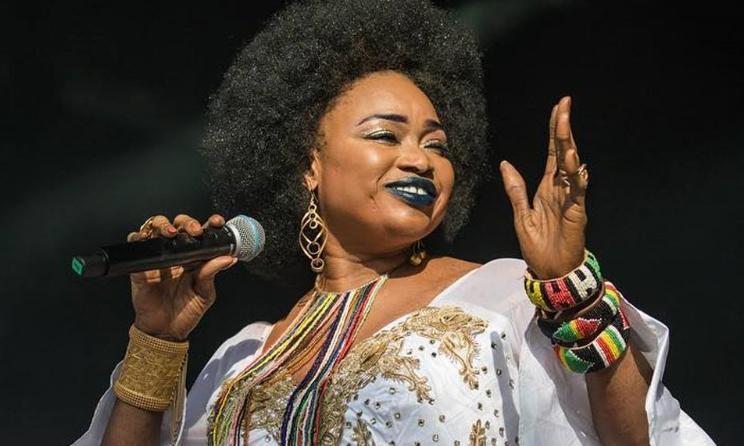
Mali’s story is a reminder of the wider African truth that art often thrives in adversity. Music becomes a form of protest, healing, and hope. It tells communities that they are still here, still strong, and still connected. For Mali, every note played on a kora or sung in Bambara is more than entertainment. It is a declaration of existence and resilience.
The world may know Mali for its conflicts, but through its music, the country insists on being known for its creativity, its memory, and its unbreakable spirit.
The world may know Mali for its conflicts, but through its music, the country insists on being known for its creativity, its memory, and its unbreakable spirit.
