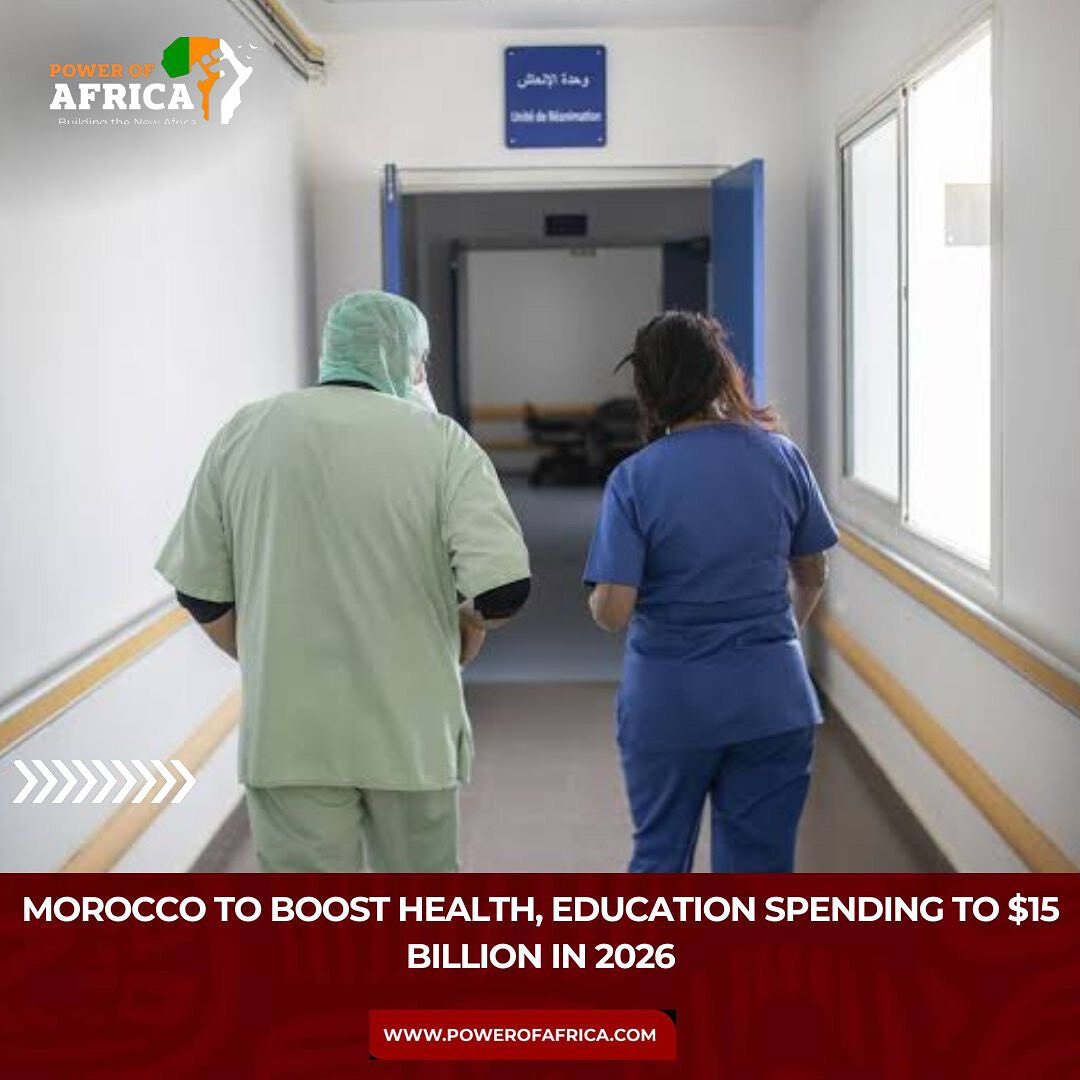
Morocco is setting a new standard for social investment in Africa with its plan to raise health and education spending to about $15 billion in 2026. The increase, which represents a 16 percent jump from this year’s allocation, signals a clear government shift toward improving public welfare and addressing long-standing social inequalities.
For years, many Moroccan citizens have voiced frustration over limited access to quality hospitals and schools, particularly in rural and mountainous regions. The 2026 budget aims to close these gaps by upgrading infrastructure, improving teacher and healthcare worker training, and modernising facilities. The government’s message is clear: investing in people is now a national priority.
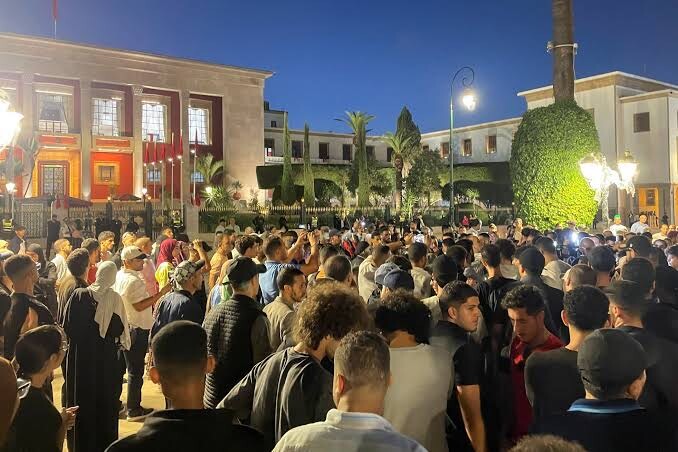
This renewed focus also follows months of youth-led protests calling for fairer access to basic services. By increasing funding, Morocco’s leaders are not only responding to public pressure but also laying the foundation for a stronger, more inclusive economy. Better education and healthcare are expected to improve productivity, reduce poverty, and create new opportunities for young people entering the workforce.
For years, many Moroccan citizens have voiced frustration over limited access to quality hospitals and schools, particularly in rural and mountainous regions. The 2026 budget aims to close these gaps by upgrading infrastructure, improving teacher and healthcare worker training, and modernising facilities. The government’s message is clear: investing in people is now a national priority.
This renewed focus also follows months of youth-led protests calling for fairer access to basic services. By increasing funding, Morocco’s leaders are not only responding to public pressure but also laying the foundation for a stronger, more inclusive economy. Better education and healthcare are expected to improve productivity, reduce poverty, and create new opportunities for young people entering the workforce.
he broader economic outlook also looks promising. The government projects 4.8 percent growth in 2025, up from 3.8 percent in 2024, driven by higher domestic consumption and a rebound in non-agricultural industries. Officials say the challenge will be balancing this ambitious social agenda with the need to maintain fiscal discipline and macroeconomic stability.
This shift is part of Morocco’s larger vision under King Mohammed VI to reduce regional inequalities and strengthen the nation’s human capital. The focus on healthcare and education places Morocco among a growing group of African nations recognising that sustainable growth depends not only on infrastructure and trade but also on investing directly in citizens.
If successfully implemented, the 2026 budget could mark a turning point for Morocco, transforming public services, restoring trust in institutions, and setting a model for people-centred development across Africa.
This shift is part of Morocco’s larger vision under King Mohammed VI to reduce regional inequalities and strengthen the nation’s human capital. The focus on healthcare and education places Morocco among a growing group of African nations recognising that sustainable growth depends not only on infrastructure and trade but also on investing directly in citizens.
If successfully implemented, the 2026 budget could mark a turning point for Morocco, transforming public services, restoring trust in institutions, and setting a model for people-centred development across Africa.
