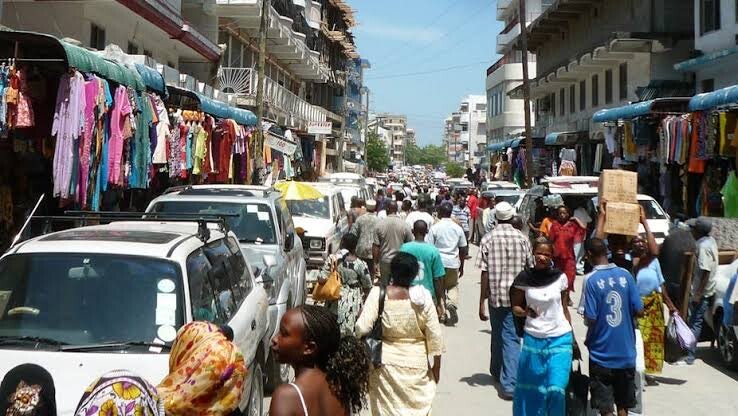
If you want to understand the real African economy, don’t start at the stock exchange. Start at the market square.
It’s in the hands that roast plantain by the roadside, the tailor who takes mobile payments through WhatsApp, the mechanic fixing bikes without a license, the mother selling handmade soap from her kitchen. These are not side hustles. For millions, this is the economy.
The informal economy in Africa isn’t an afterthought. It’s the heartbeat. It feeds cities, educates children, and sustains families where formal systems fall short.
Across sub-Saharan Africa, over 80% of employment is informal. That means no official salary, no contracts, no pension. Just skill, grit, and a deep understanding of what people need. While governments debate policy and global investors chase unicorns, everyday Africans are building micro-economies that run on trust, cash, and community.
The beauty of the informal economy is its resilience. It adapts fast. It doesn’t wait for perfect conditions. During the COVID-19 pandemic, when formal businesses shut down, it was the informal traders, bike delivery workers, home-based food sellers, and corner-shop vendors who kept the continent breathing.
It’s in the hands that roast plantain by the roadside, the tailor who takes mobile payments through WhatsApp, the mechanic fixing bikes without a license, the mother selling handmade soap from her kitchen. These are not side hustles. For millions, this is the economy.
The informal economy in Africa isn’t an afterthought. It’s the heartbeat. It feeds cities, educates children, and sustains families where formal systems fall short.
Across sub-Saharan Africa, over 80% of employment is informal. That means no official salary, no contracts, no pension. Just skill, grit, and a deep understanding of what people need. While governments debate policy and global investors chase unicorns, everyday Africans are building micro-economies that run on trust, cash, and community.
The beauty of the informal economy is its resilience. It adapts fast. It doesn’t wait for perfect conditions. During the COVID-19 pandemic, when formal businesses shut down, it was the informal traders, bike delivery workers, home-based food sellers, and corner-shop vendors who kept the continent breathing.

But resilience isn’t the same as recognition.
Too often, Africa’s informal economy is spoken about with pity as if it’s something to be fixed. But it’s not broken. It’s under-supported. These traders don’t need to be “rescued” into formality; they need systems that acknowledge their contribution without suffocating them. They need access to credit that doesn’t require land titles. They need fair taxes, digital tools, and safety nets that understand how they actually live and work.
Formalization shouldn’t mean stripping away flexibility. It should mean adding protection.
What Africa’s economy needs most is not a new model it needs to finally take itself seriously. From the market stalls of Lusaka to the tech kiosks in Kampala, people are working. They’re innovating. They’re trading. And they’re growing.
If Africa is ever going to build an economy that works for everyone, it must begin by valuing what already exists.
Too often, Africa’s informal economy is spoken about with pity as if it’s something to be fixed. But it’s not broken. It’s under-supported. These traders don’t need to be “rescued” into formality; they need systems that acknowledge their contribution without suffocating them. They need access to credit that doesn’t require land titles. They need fair taxes, digital tools, and safety nets that understand how they actually live and work.
Formalization shouldn’t mean stripping away flexibility. It should mean adding protection.
What Africa’s economy needs most is not a new model it needs to finally take itself seriously. From the market stalls of Lusaka to the tech kiosks in Kampala, people are working. They’re innovating. They’re trading. And they’re growing.
If Africa is ever going to build an economy that works for everyone, it must begin by valuing what already exists.