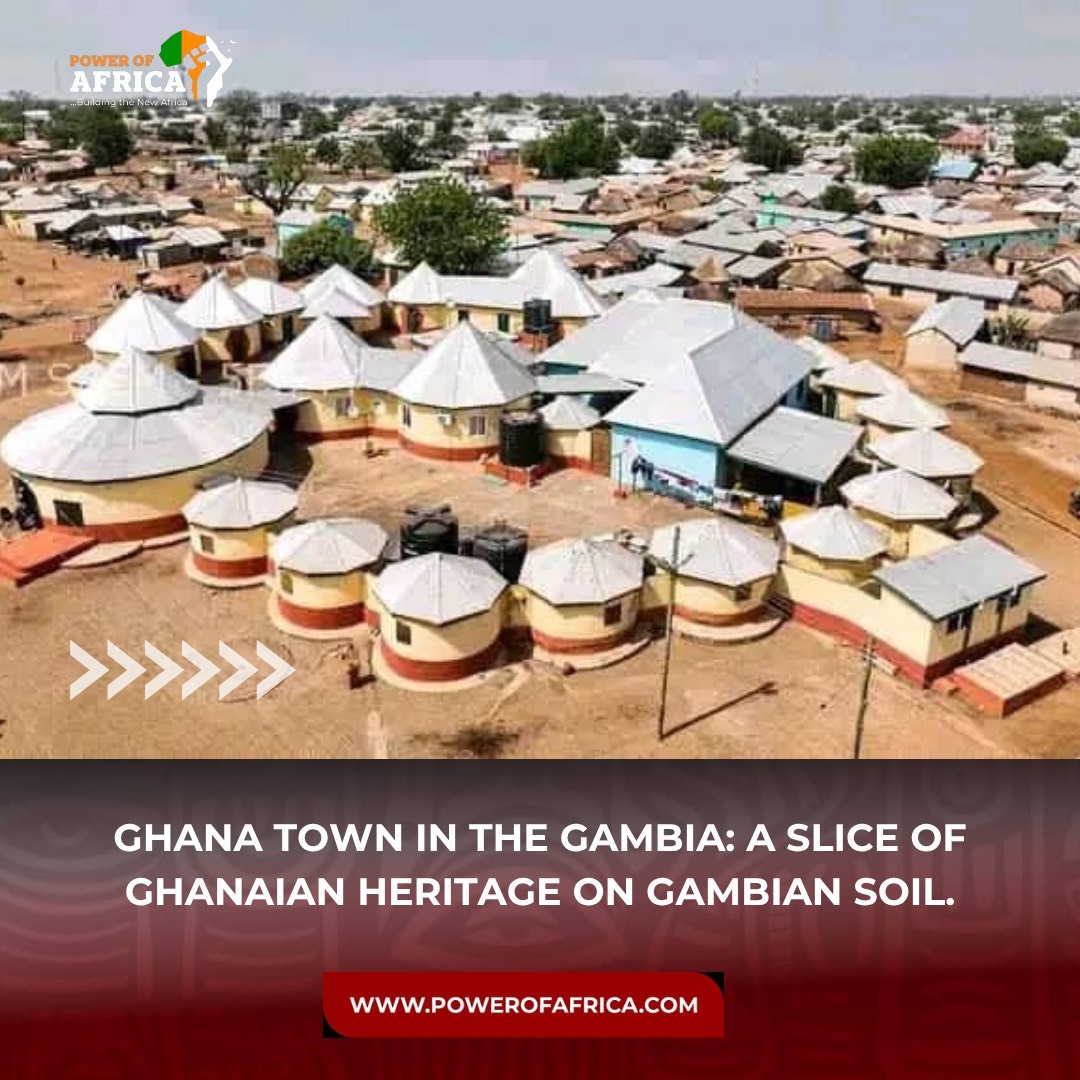
Along the Atlantic coast of The Gambia lies a unique community known as Ghana Town, home to an estimated 1,500 Ghanaians and their descendants. Established in the early 1960s by migrant fishermen from Ghana, the town has evolved into a vibrant cultural enclave that preserves Ghanaian traditions while contributing to The Gambia’s fishing industry.
The community was founded when Ghanaian fishermen settled in Brufut, attracted by the country’s rich fishing grounds. Over the decades, these migrants built homes, raised families, and established a thriving settlement that came to be known as Ghana Town — a reflection of their enduring connection to their homeland.
Today, Ghana Town is a close-knit community with homes, schools, and small businesses, many centered around fishing and fish processing. Residents speak Akan languages such as Twi and Fante, celebrate Ghanaian festivals, and maintain a strong sense of identity even as they integrate into Gambian society.
The community was founded when Ghanaian fishermen settled in Brufut, attracted by the country’s rich fishing grounds. Over the decades, these migrants built homes, raised families, and established a thriving settlement that came to be known as Ghana Town — a reflection of their enduring connection to their homeland.
Today, Ghana Town is a close-knit community with homes, schools, and small businesses, many centered around fishing and fish processing. Residents speak Akan languages such as Twi and Fante, celebrate Ghanaian festivals, and maintain a strong sense of identity even as they integrate into Gambian society.
However, despite its long history, many residents of Ghana Town face legal challenges. Reports indicate that a large number of them lack official identification or citizenship documents, leaving them vulnerable to statelessness and limiting access to education, healthcare, and formal employment. Generations born in the community, some now adults, consider themselves Gambian, yet struggle with official recognition.
The Gambian government has acknowledged the issue and has begun working with regional bodies to find solutions that protect the rights of long-term residents. Efforts are also being made to improve documentation and provide greater access to social services.
Ghana Town stands today as a symbol of cultural resilience, migration history, and regional interconnectedness. It embodies the enduring bond between Ghana and The Gambia and serves as a reminder of the importance of inclusive policies that recognize the contributions of migrant communities to national development.
The Gambian government has acknowledged the issue and has begun working with regional bodies to find solutions that protect the rights of long-term residents. Efforts are also being made to improve documentation and provide greater access to social services.
Ghana Town stands today as a symbol of cultural resilience, migration history, and regional interconnectedness. It embodies the enduring bond between Ghana and The Gambia and serves as a reminder of the importance of inclusive policies that recognize the contributions of migrant communities to national development.
