Mozambique is gearing up for a major overhaul of its transport infrastructure in 2026 with a planned investment of $130 million to acquire three aircraft and six locomotives. This ambitious move targets two critical areas of the country’s travel and tourism sector: aviation and rail transport.
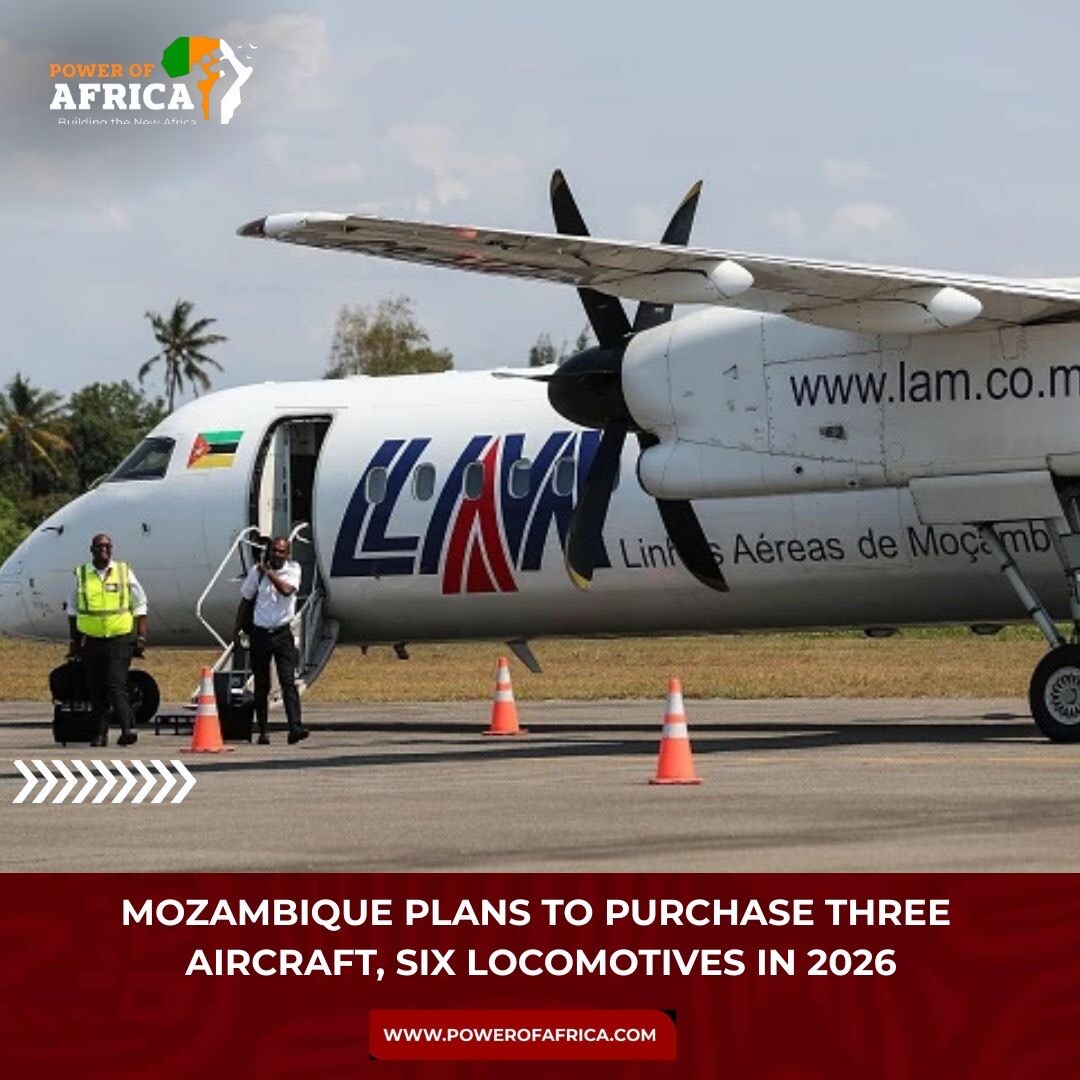
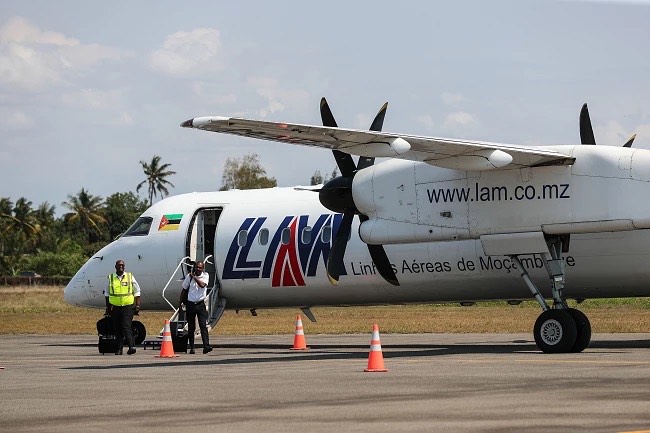
For the national airline, Linhas Aéreas de Moçambique (LAM), the acquisition of three new aircraft represents a step toward modernizing its fleet and expanding flight capacity. The government expects that increased flight frequency, improved punctuality, and the reopening of key routes will drive growth in both passenger travel and cargo transport. With passenger numbers projected to rise by over two percent and cargo volumes by more than four percent, Mozambique aims to make its airline a more reliable and competitive player in the regional market.
Funding for LAM’s restructuring will come from three state-owned companies: Hidroelétrica de Cahora Bassa (HCB), CFM, and Empresa Moçambicana de Seguros (EMOSE). This capital injection is designed to maintain state control while ensuring operational efficiency, modernized services, and a more sustainable financial structure for the airline.
For the national airline, Linhas Aéreas de Moçambique (LAM), the acquisition of three new aircraft represents a step toward modernizing its fleet and expanding flight capacity. The government expects that increased flight frequency, improved punctuality, and the reopening of key routes will drive growth in both passenger travel and cargo transport. With passenger numbers projected to rise by over two percent and cargo volumes by more than four percent, Mozambique aims to make its airline a more reliable and competitive player in the regional market.
Funding for LAM’s restructuring will come from three state-owned companies: Hidroelétrica de Cahora Bassa (HCB), CFM, and Empresa Moçambicana de Seguros (EMOSE). This capital injection is designed to maintain state control while ensuring operational efficiency, modernized services, and a more sustainable financial structure for the airline.
On the rail side, the six new locomotives will support CFM, Mozambique’s rail operator, in increasing capacity and reliability. This upgrade is critical for tourism development, as improved rail infrastructure will enhance connectivity between cities and tourist destinations, offering smoother and faster travel for both domestic and international visitors. The investment also includes additional transport assets, such as buses and navigation-monitoring equipment, creating a more integrated and accessible travel network.
By strengthening both air and rail travel, Mozambique is signaling its commitment to improving the overall visitor experience. The government’s strategy focuses on efficiency, reliability, and accessibility, which are key drivers for attracting tourists and boosting economic growth. For travelers, this plan promises a future where exploring Mozambique is easier, faster, and more comfortable, positioning the country as a rising destination in southern Africa.
By strengthening both air and rail travel, Mozambique is signaling its commitment to improving the overall visitor experience. The government’s strategy focuses on efficiency, reliability, and accessibility, which are key drivers for attracting tourists and boosting economic growth. For travelers, this plan promises a future where exploring Mozambique is easier, faster, and more comfortable, positioning the country as a rising destination in southern Africa.
