
Kenya is preparing for significant changes in its used-car market following new regulations announced by the Kenya Bureau of Standards (KEBS) regarding the age limit for imported second-hand vehicles. The directive, which is expected to reshape the country’s auto industry, will come into effect in the coming months.
KEBS revealed that it will revise the allowable age of imported used vehicles, a move intended to improve road safety, reduce emissions, and encourage the uptake of newer, more efficient cars. Under the new rules, imported second-hand cars must meet stricter age and compliance standards before being cleared at Kenyan ports.
The government says the policy is designed to curb the influx of old and high-emission vehicles, which currently dominate the Kenyan market. A large percentage of cars on Kenyan roads are more than eight years old, contributing to pollution and frequent mechanical failures. By tightening age requirements, Kenya aims to build a cleaner, safer, and more regulated automotive environment.
KEBS revealed that it will revise the allowable age of imported used vehicles, a move intended to improve road safety, reduce emissions, and encourage the uptake of newer, more efficient cars. Under the new rules, imported second-hand cars must meet stricter age and compliance standards before being cleared at Kenyan ports.
The government says the policy is designed to curb the influx of old and high-emission vehicles, which currently dominate the Kenyan market. A large percentage of cars on Kenyan roads are more than eight years old, contributing to pollution and frequent mechanical failures. By tightening age requirements, Kenya aims to build a cleaner, safer, and more regulated automotive environment.
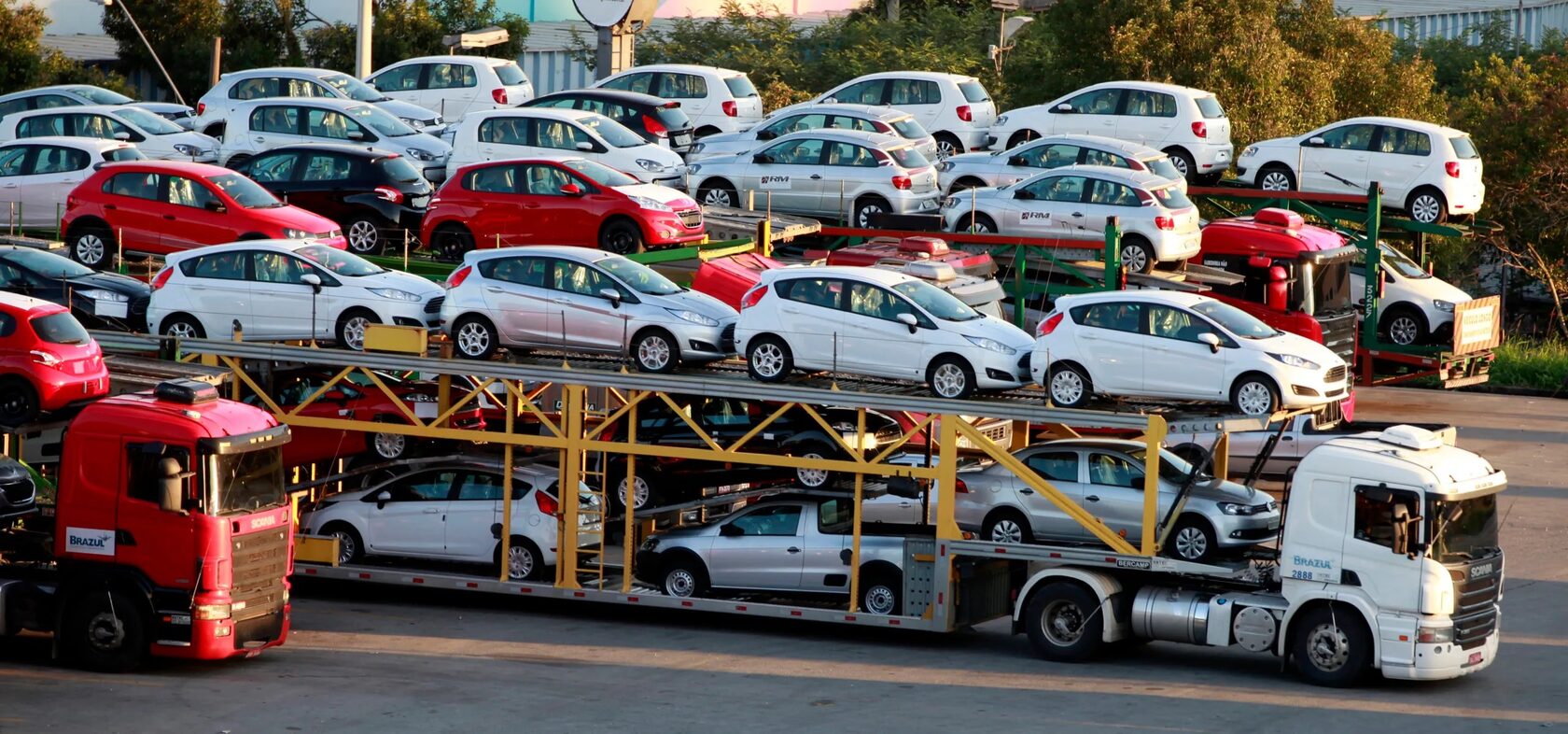
Industry experts predict that the new rules will have mixed effects. While the reforms may raise car prices in the short term due to the higher cost of newer imports, they are expected to stimulate local automotive assembly, create jobs, and improve long-term vehicle quality. Dealers, on the other hand, have expressed concerns over possible stock disruptions as they adjust to the new compliance standards.
Transport officials emphasized that the reforms are part of a broader national strategy to modernize Kenya’s transport sector, strengthen regulatory oversight, and align with global environmental targets.
The upcoming changes are anticipated to influence consumer behavior, push demand toward locally assembled vehicles, and usher in a more structured used-car market. The government says detailed implementation guidelines will be released soon to help importers and dealers transition smoothly.
Transport officials emphasized that the reforms are part of a broader national strategy to modernize Kenya’s transport sector, strengthen regulatory oversight, and align with global environmental targets.
The upcoming changes are anticipated to influence consumer behavior, push demand toward locally assembled vehicles, and usher in a more structured used-car market. The government says detailed implementation guidelines will be released soon to help importers and dealers transition smoothly.
