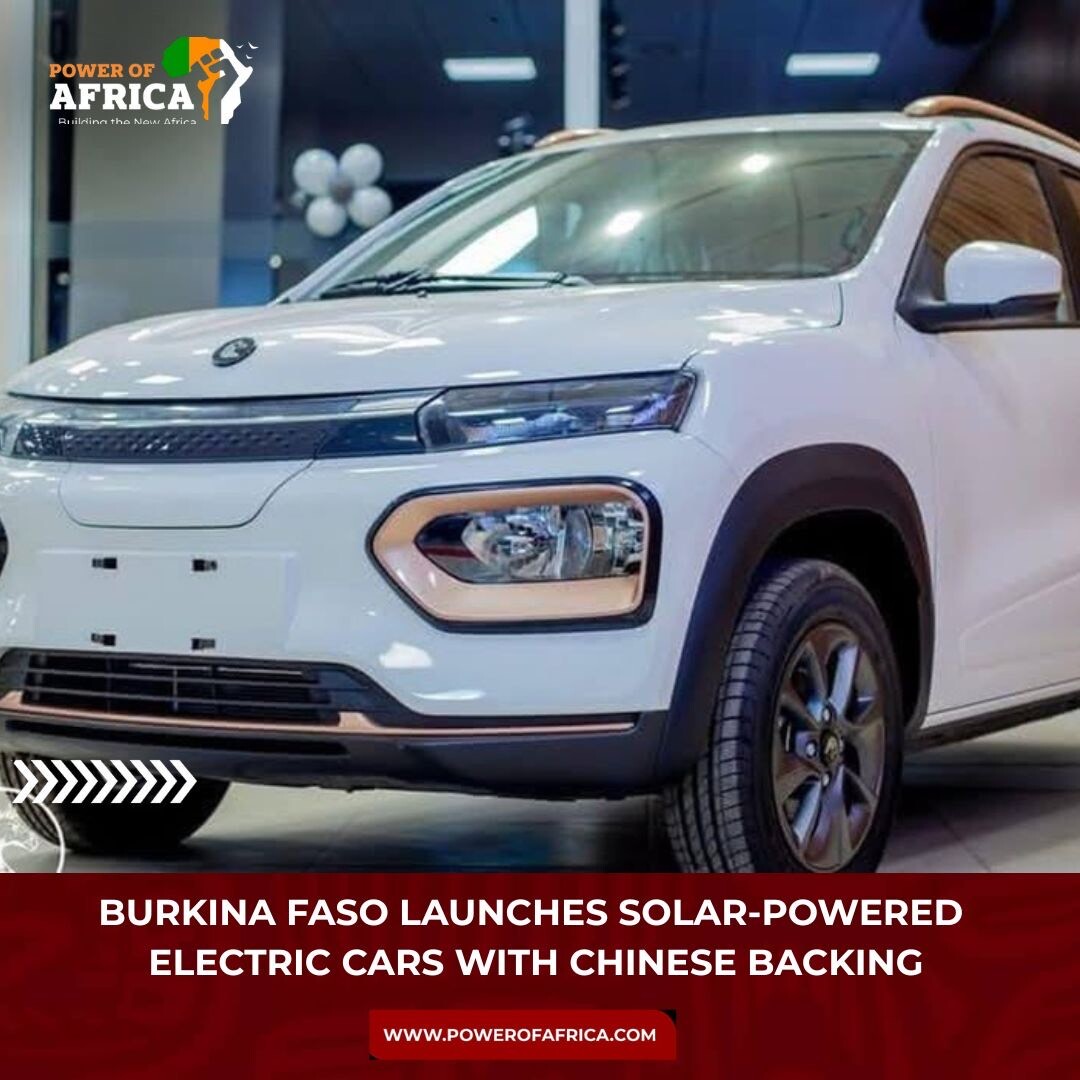
Burkina Faso is stepping into the electric vehicle (EV) revolution with the launch of its first locally assembled solar-powered cars under the brand Itaoua, in collaboration with Chinese partners. The initiative marks a major milestone in West Africa’s automotive and renewable energy sectors, showcasing how emerging economies can leapfrog traditional fossil fuel dependency.
The vehicles, including the Sahel and Native models, integrate solar charging technology, enabling environmentally friendly transport while reducing reliance on costly electricity infrastructure. With ranges up to 330 km per charge, these EVs are designed for urban mobility but hold potential for rural areas where electricity supply can be inconsistent. Beyond innovation, the project creates jobs for Burkinabé engineers and technicians, who received training in Chinese factories before returning home to assemble the vehicles.
The venture also has economic implications. By manufacturing vehicles locally, Burkina Faso can reduce import costs, stimulate industrial growth, and attract further foreign investment. Hybrid models like Tenakuru and Land Elder are planned, indicating the country’s ambition to expand into larger commercial vehicles and pickups. Early adoption is already visible, with around 30 EVs operating as electric taxis in Ouagadougou, contributing to a greener urban transport system.
The vehicles, including the Sahel and Native models, integrate solar charging technology, enabling environmentally friendly transport while reducing reliance on costly electricity infrastructure. With ranges up to 330 km per charge, these EVs are designed for urban mobility but hold potential for rural areas where electricity supply can be inconsistent. Beyond innovation, the project creates jobs for Burkinabé engineers and technicians, who received training in Chinese factories before returning home to assemble the vehicles.
The venture also has economic implications. By manufacturing vehicles locally, Burkina Faso can reduce import costs, stimulate industrial growth, and attract further foreign investment. Hybrid models like Tenakuru and Land Elder are planned, indicating the country’s ambition to expand into larger commercial vehicles and pickups. Early adoption is already visible, with around 30 EVs operating as electric taxis in Ouagadougou, contributing to a greener urban transport system.
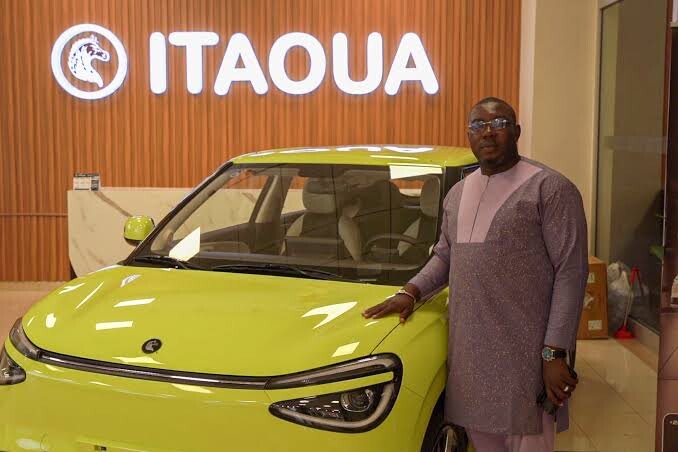
Technologically, the partnership emphasizes knowledge transfer rather than simple assembly, allowing Burkina Faso to develop local expertise for designing future EVs. The initiative aligns with national goals for energy independence, tapping into the country’s abundant solar resources to power a sustainable transport ecosystem.
This bold step positions Burkina Faso as a potential leader in renewable automotive solutions in Africa, demonstrating that solar-powered mobility is no longer limited to high-income countries. With strategic partnerships, local innovation, and environmental awareness, the Itaoua project could redefine how West African nations approach transport and energy solutions in the decades ahead.
This bold step positions Burkina Faso as a potential leader in renewable automotive solutions in Africa, demonstrating that solar-powered mobility is no longer limited to high-income countries. With strategic partnerships, local innovation, and environmental awareness, the Itaoua project could redefine how West African nations approach transport and energy solutions in the decades ahead.
