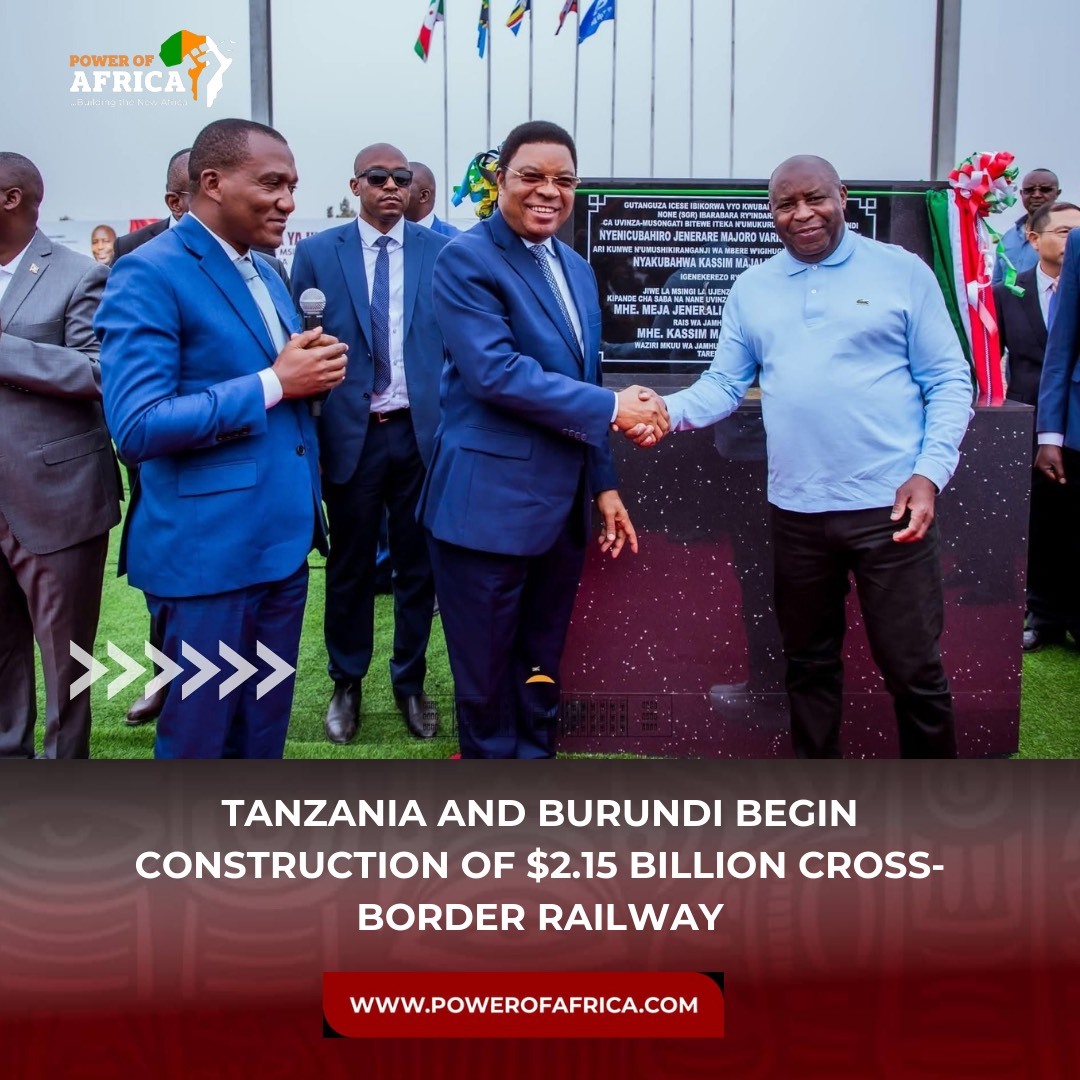
Tanzania and Burundi have officially launched the construction of a $2.15 billion railway line that will connect the two East African nations, a project expected to transform regional trade and integration.
The standard-gauge railway (SGR) will run from Uvinza in western Tanzania to Gitega in Burundi, linking the landlocked nation to the port of Dar es Salaam on the Indian Ocean. Once completed, the railway will significantly reduce transport costs, improve the movement of goods, and strengthen economic ties between the two countries.
Officials from both nations hailed the project as a milestone for East African cooperation. Tanzania’s leaders emphasized that the railway will not only serve Burundi but also position Dar es Salaam as a key trade gateway for the wider Great Lakes region. Burundian authorities highlighted the importance of the project in boosting exports such as coffee and tea while lowering the cost of importing essential goods.
The standard-gauge railway (SGR) will run from Uvinza in western Tanzania to Gitega in Burundi, linking the landlocked nation to the port of Dar es Salaam on the Indian Ocean. Once completed, the railway will significantly reduce transport costs, improve the movement of goods, and strengthen economic ties between the two countries.
Officials from both nations hailed the project as a milestone for East African cooperation. Tanzania’s leaders emphasized that the railway will not only serve Burundi but also position Dar es Salaam as a key trade gateway for the wider Great Lakes region. Burundian authorities highlighted the importance of the project in boosting exports such as coffee and tea while lowering the cost of importing essential goods.
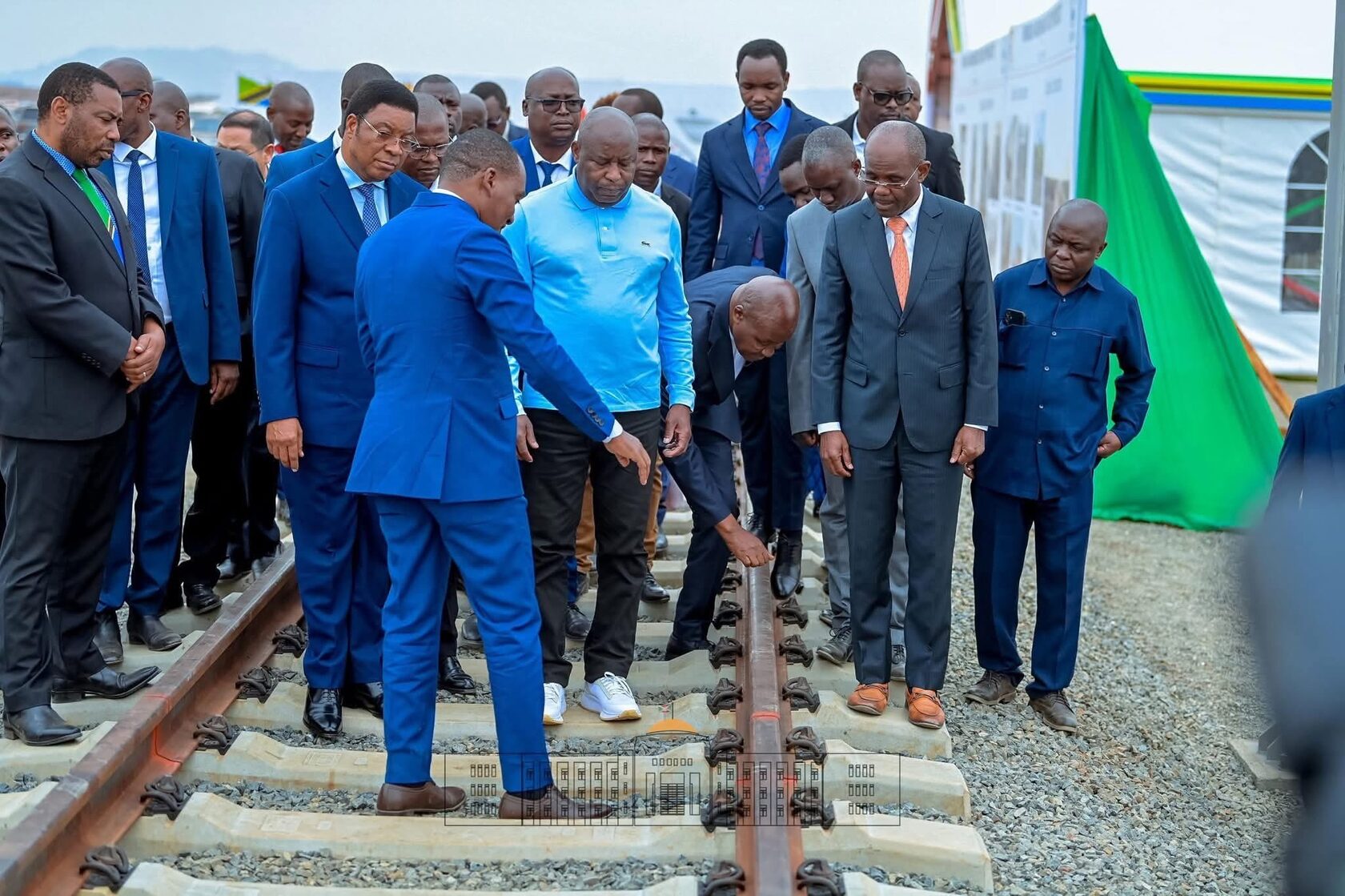
The $2.15 billion investment is part of Tanzania’s broader infrastructure drive, which includes expanding its standard-gauge network to connect with neighboring countries including Rwanda, Uganda, and the Democratic Republic of Congo.
Analysts say the project could unlock new opportunities for regional integration under the African Continental Free Trade Area (AfCFTA) and accelerate economic growth by improving logistics and trade flows across East and Central Africa.
Construction is expected to take several years, with both governments pledging to ensure transparency and efficiency in project delivery.
Analysts say the project could unlock new opportunities for regional integration under the African Continental Free Trade Area (AfCFTA) and accelerate economic growth by improving logistics and trade flows across East and Central Africa.
Construction is expected to take several years, with both governments pledging to ensure transparency and efficiency in project delivery.
