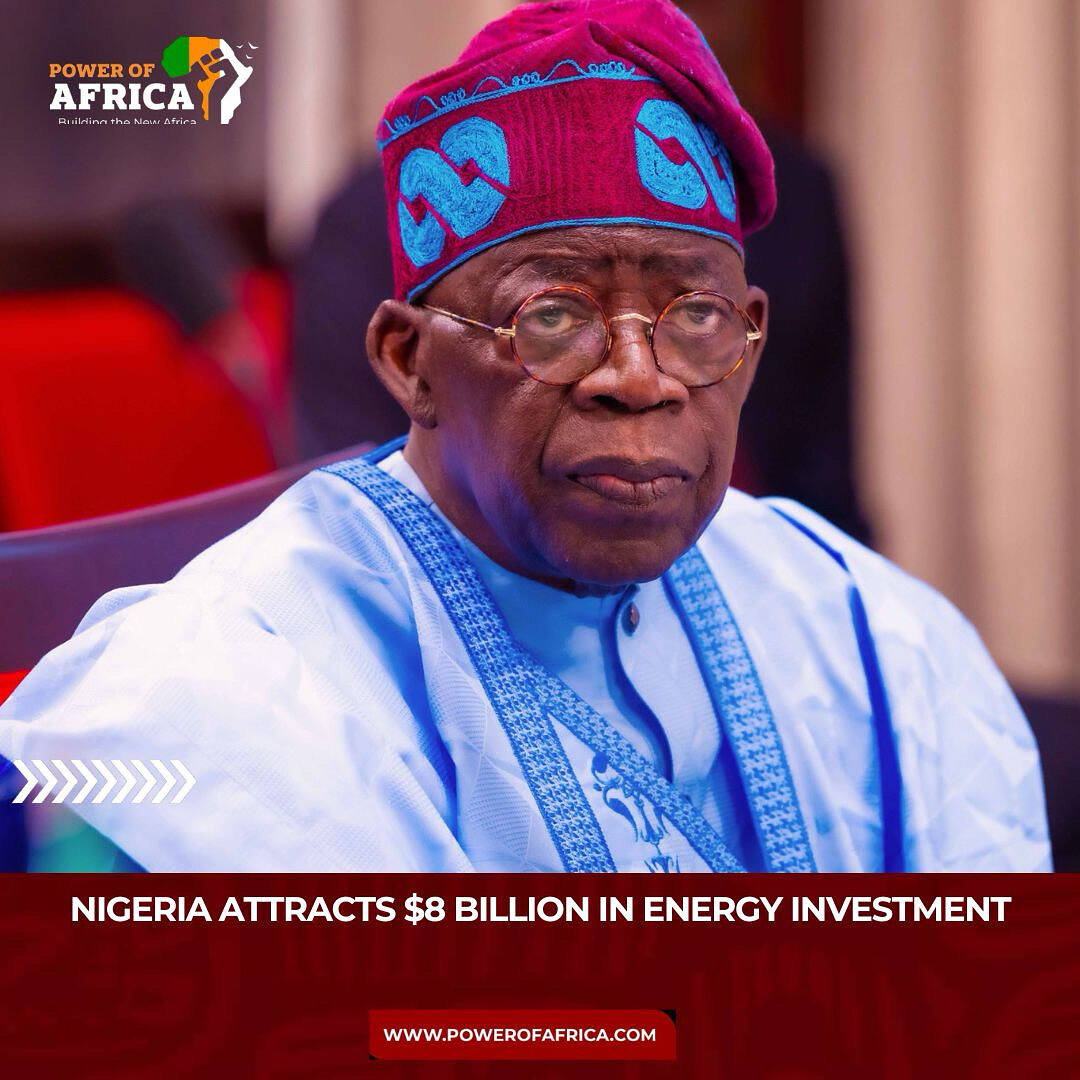
Nigeria’s energy sector has taken a bold leap forward with the announcement of $8 billion in fresh investments a move that underscores growing global confidence in the country’s economic direction. The deal was revealed during the IMF and World Bank annual meetings, where Nigeria’s finance and monetary authorities highlighted the progress made under the current administration’s reform agenda.
For months, President Bola Tinubu’s government has been implementing fiscal and monetary policies aimed at stabilising the naira, curbing inflation, and restoring investor trust. Those efforts now appear to be paying off. The Central Bank Governor, Olayemi Cardoso, said the energy sector continues to attract significant foreign capital because of its central role in Nigeria’s long-term growth strategy. According to officials, part of the $8 billion inflow will go into developing new upstream oil and gas projects, modernising existing infrastructure, and promoting energy diversification.
For months, President Bola Tinubu’s government has been implementing fiscal and monetary policies aimed at stabilising the naira, curbing inflation, and restoring investor trust. Those efforts now appear to be paying off. The Central Bank Governor, Olayemi Cardoso, said the energy sector continues to attract significant foreign capital because of its central role in Nigeria’s long-term growth strategy. According to officials, part of the $8 billion inflow will go into developing new upstream oil and gas projects, modernising existing infrastructure, and promoting energy diversification.
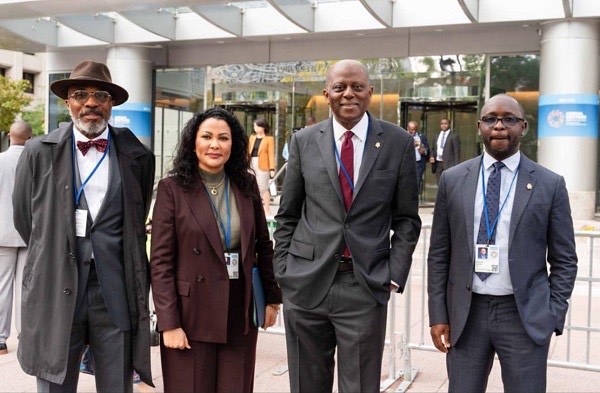
The investment also comes at a time when Nigeria is positioning itself to move beyond crude exports and develop its downstream and midstream capacity. The Minister of State for Finance, Doris Uzoka-Anite, described the deal as a sign of stronger collaboration between government institutions and private investors. She emphasised that the new funds will help unlock value across the entire energy value chain — from exploration to power generation and distribution.
For investors, the renewed confidence in Nigeria’s energy market is linked to clearer regulations, ongoing subsidy reforms, and a visible effort to make the business environment more transparent. Industry experts note that the $8 billion injection could trigger a new wave of partnerships, technology transfers, and job creation within the sector.
This development places Nigeria among Africa’s leading destinations for energy investment, alongside South Africa, Egypt, and Angola. It also reinforces the country’s broader goal of becoming energy-independent while contributing to regional energy security.
For investors, the renewed confidence in Nigeria’s energy market is linked to clearer regulations, ongoing subsidy reforms, and a visible effort to make the business environment more transparent. Industry experts note that the $8 billion injection could trigger a new wave of partnerships, technology transfers, and job creation within the sector.
This development places Nigeria among Africa’s leading destinations for energy investment, alongside South Africa, Egypt, and Angola. It also reinforces the country’s broader goal of becoming energy-independent while contributing to regional energy security.
