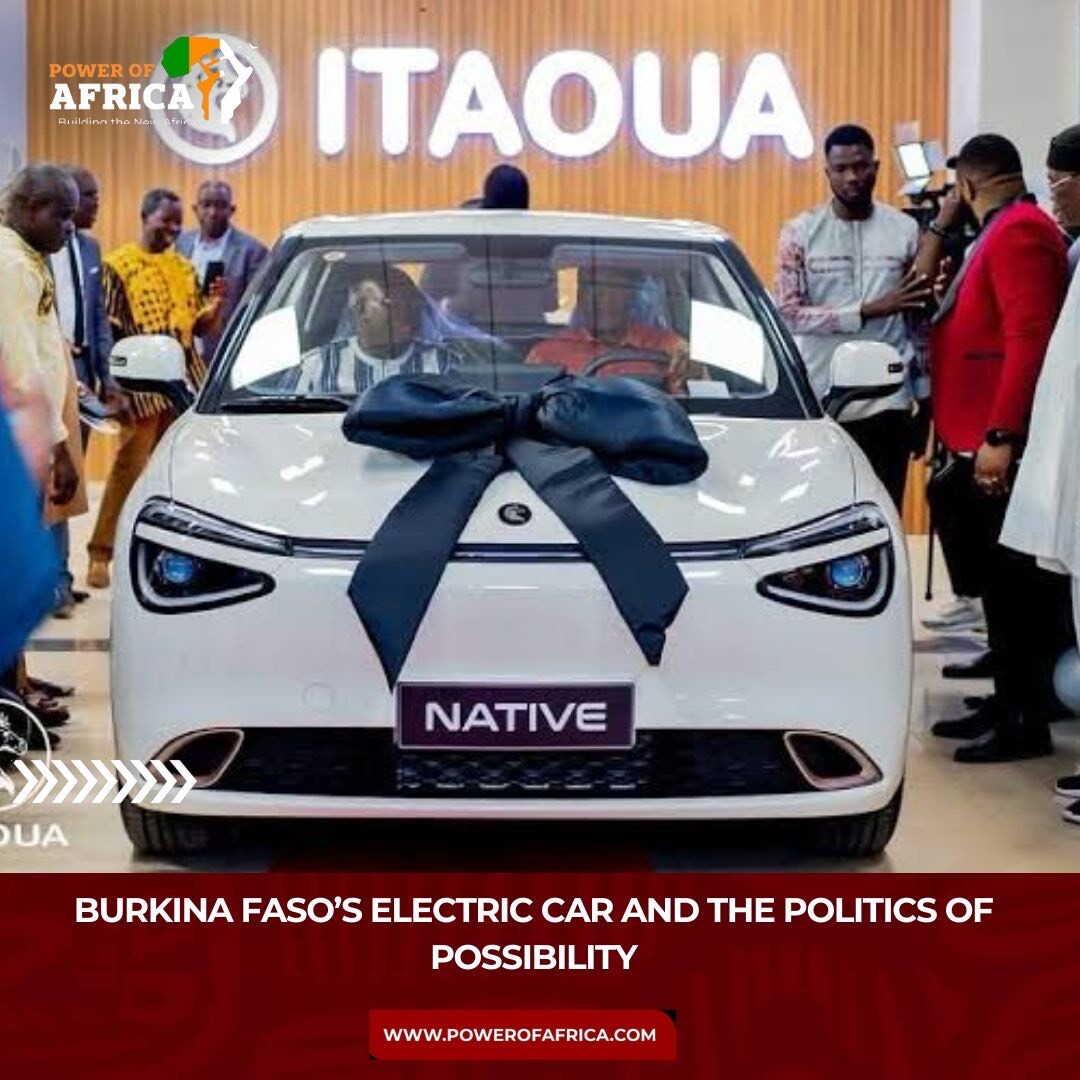
In Ouagadougou, a team of engineers and students recently unveiled something few expected from a landlocked West African nation: an electric car built entirely within Burkina Faso. The project has attracted attention not only because of its technical achievement but because of what it represents politically and socially. It is a bold statement that African nations can innovate for themselves, even in the midst of economic and political challenges.
The prototype, created at the University of Ouagadougou with local materials and expertise, may not yet rival the sleek models rolling out of factories in Europe or Asia. But its symbolism is powerful. At a time when many African economies are struggling to reduce dependence on imports, Burkina Faso’s electric car reflects a determination to build from within. It challenges the assumption that cutting edge technology must always come from outside the continent.
The project also raises important leadership questions. Can African governments create the environment for local innovation to thrive? For too long, promising initiatives have faltered because of weak support systems, limited funding, or lack of policy frameworks. If Burkina Faso’s electric car is to move beyond a prototype, it will need infrastructure, investment, and a clear strategy for scaling. That requires leadership that values homegrown ingenuity as much as foreign investment.
The prototype, created at the University of Ouagadougou with local materials and expertise, may not yet rival the sleek models rolling out of factories in Europe or Asia. But its symbolism is powerful. At a time when many African economies are struggling to reduce dependence on imports, Burkina Faso’s electric car reflects a determination to build from within. It challenges the assumption that cutting edge technology must always come from outside the continent.
The project also raises important leadership questions. Can African governments create the environment for local innovation to thrive? For too long, promising initiatives have faltered because of weak support systems, limited funding, or lack of policy frameworks. If Burkina Faso’s electric car is to move beyond a prototype, it will need infrastructure, investment, and a clear strategy for scaling. That requires leadership that values homegrown ingenuity as much as foreign investment.
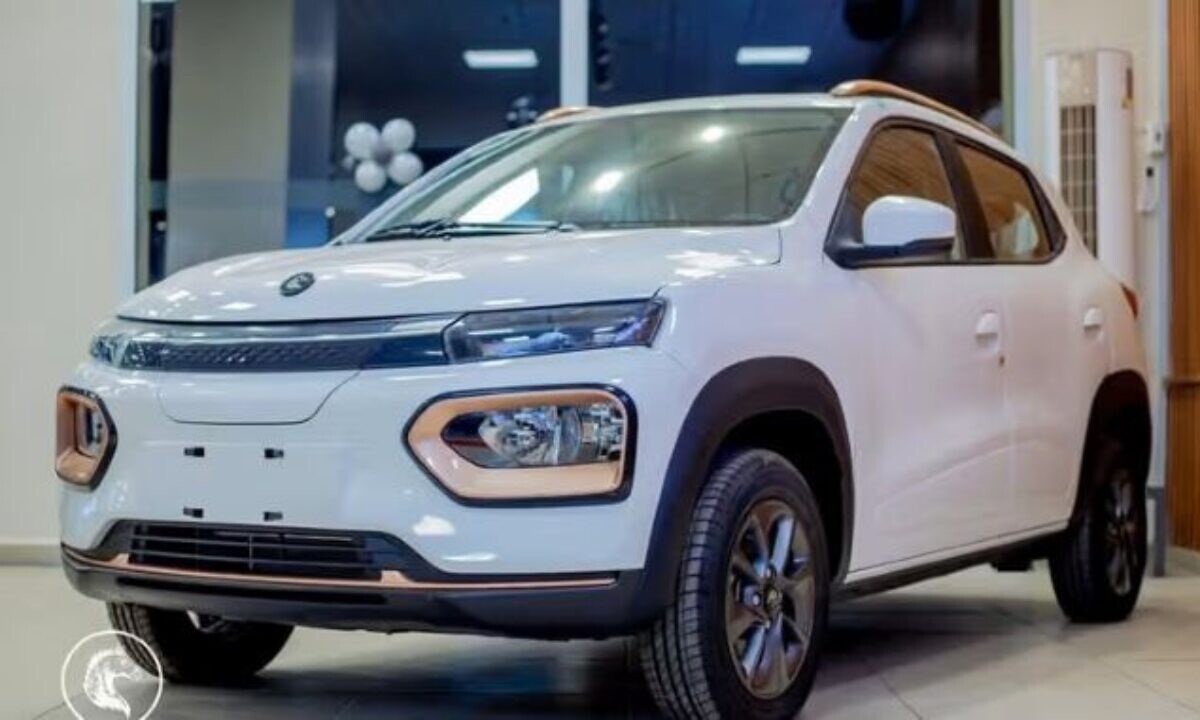
For the youth of Burkina Faso, the car is more than an engineering project. It is a symbol of possibility. In a country where many young people consider migration the only path to opportunity, seeing peers design and assemble a working vehicle sparks new confidence in what can be achieved at home. It speaks to the role of innovation in nation building, and to the idea that leadership is not just about political speeches but about creating spaces where creativity can flourish.
There are of course challenges. Access to reliable electricity, affordability for ordinary citizens, and competition with established global brands are all real hurdles. Yet the very act of building the car is a reminder that progress does not begin with perfection. It begins with vision, persistence, and the courage to take the first step.
Burkina Faso’s electric car may never dominate African highways, but it has already achieved something valuable. It has shifted the narrative from what the country lacks to what it can create. That shift in perspective is itself a form of leadership, one that Africa needs now more than ever.
There are of course challenges. Access to reliable electricity, affordability for ordinary citizens, and competition with established global brands are all real hurdles. Yet the very act of building the car is a reminder that progress does not begin with perfection. It begins with vision, persistence, and the courage to take the first step.
Burkina Faso’s electric car may never dominate African highways, but it has already achieved something valuable. It has shifted the narrative from what the country lacks to what it can create. That shift in perspective is itself a form of leadership, one that Africa needs now more than ever.
