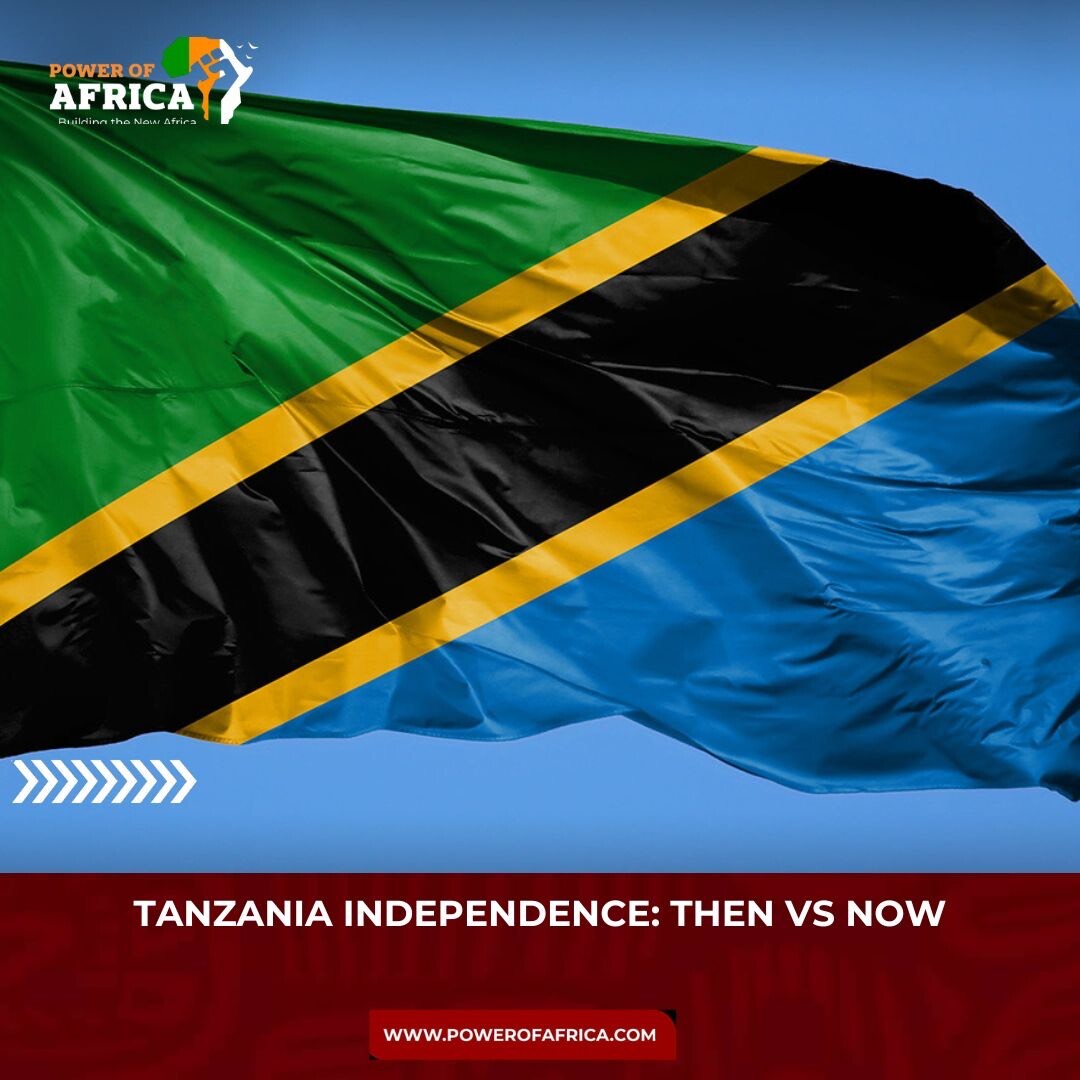
Tanzania gained independence on 9 December 1961 with a national vision centered on unity and progress. At that time, the new nation faced limited infrastructure, low literacy rates, and an economy tied mainly to small-scale agriculture. Many communities had to travel long distances for schools, health services, or paved roads. The focus in the early years was simple but urgent: build national cohesion, expand education, and create a foundation for economic stability.
The early leadership pushed for a shared identity that brought together more than 100 ethnic groups. Swahili became the common language of administration and everyday life, helping unify the country. Education received priority. New schools opened across rural regions to develop the skills needed for national growth. Agriculture remained the backbone of the economy, but investment in cooperatives and community-based development helped build local participation.
Today, Tanzania reflects a broader and more dynamic landscape. Access to education has grown significantly, with more children completing primary and secondary school. Cities such as Dar es Salaam, Arusha, and Dodoma have expanded into active centres for commerce, tourism, and governance. The economy now draws strength from multiple sectors, including mining, manufacturing, technology, and transport.
The early leadership pushed for a shared identity that brought together more than 100 ethnic groups. Swahili became the common language of administration and everyday life, helping unify the country. Education received priority. New schools opened across rural regions to develop the skills needed for national growth. Agriculture remained the backbone of the economy, but investment in cooperatives and community-based development helped build local participation.
Today, Tanzania reflects a broader and more dynamic landscape. Access to education has grown significantly, with more children completing primary and secondary school. Cities such as Dar es Salaam, Arusha, and Dodoma have expanded into active centres for commerce, tourism, and governance. The economy now draws strength from multiple sectors, including mining, manufacturing, technology, and transport.
Infrastructure marks one of the clearest differences between then and now. Roads connect regions that were once isolated. Major energy projects support industry and urban growth. Digital access continues to expand, allowing more citizens to use mobile banking, digital trade, and online learning.
Modern Tanzania also plays an important role in East African diplomacy. It contributes to regional peace efforts and hosts key international discussions on development and security. Challenges still exist poverty reduction, youth unemployment, and rural development remain ongoing priorities.
The journey from independence to the present shows steady, deliberate progress. Tanzania continues to build on its history of unity while shaping a future defined by economic diversification, stronger institutions, and a growing, youthful population.
Modern Tanzania also plays an important role in East African diplomacy. It contributes to regional peace efforts and hosts key international discussions on development and security. Challenges still exist poverty reduction, youth unemployment, and rural development remain ongoing priorities.
The journey from independence to the present shows steady, deliberate progress. Tanzania continues to build on its history of unity while shaping a future defined by economic diversification, stronger institutions, and a growing, youthful population.
