Ghana is taking decisive steps to establish a regulated, world-class industrial hemp and medicinal cannabis industry, signaling a shift toward alternative agriculture and high-value exports.
The move follows the passage of the Narcotics Control Commission Act, 2020, commonly known as Act 1019, which legalized the cultivation of cannabis with a THC content not exceeding 0.3 percent for industrial and medicinal purposes. The law provides a strict regulatory framework, placing oversight in the hands of the Narcotics Control Commission.
Officials say the objective is clear: create a tightly controlled sector that generates jobs, attracts foreign investment, and expands the country’s non-traditional export base. Industrial hemp can be used in pharmaceuticals, textiles, cosmetics, construction materials, and food processing. With global demand rising, Ghana sees an opportunity to compete in a rapidly growing international market.
Under the new framework, prospective investors must secure licenses before cultivating or processing hemp. Authorities have emphasized compliance, traceability, and quality standards as central pillars of the emerging industry. This approach aims to balance economic ambition with public health and security concerns.
The move follows the passage of the Narcotics Control Commission Act, 2020, commonly known as Act 1019, which legalized the cultivation of cannabis with a THC content not exceeding 0.3 percent for industrial and medicinal purposes. The law provides a strict regulatory framework, placing oversight in the hands of the Narcotics Control Commission.
Officials say the objective is clear: create a tightly controlled sector that generates jobs, attracts foreign investment, and expands the country’s non-traditional export base. Industrial hemp can be used in pharmaceuticals, textiles, cosmetics, construction materials, and food processing. With global demand rising, Ghana sees an opportunity to compete in a rapidly growing international market.
Under the new framework, prospective investors must secure licenses before cultivating or processing hemp. Authorities have emphasized compliance, traceability, and quality standards as central pillars of the emerging industry. This approach aims to balance economic ambition with public health and security concerns.
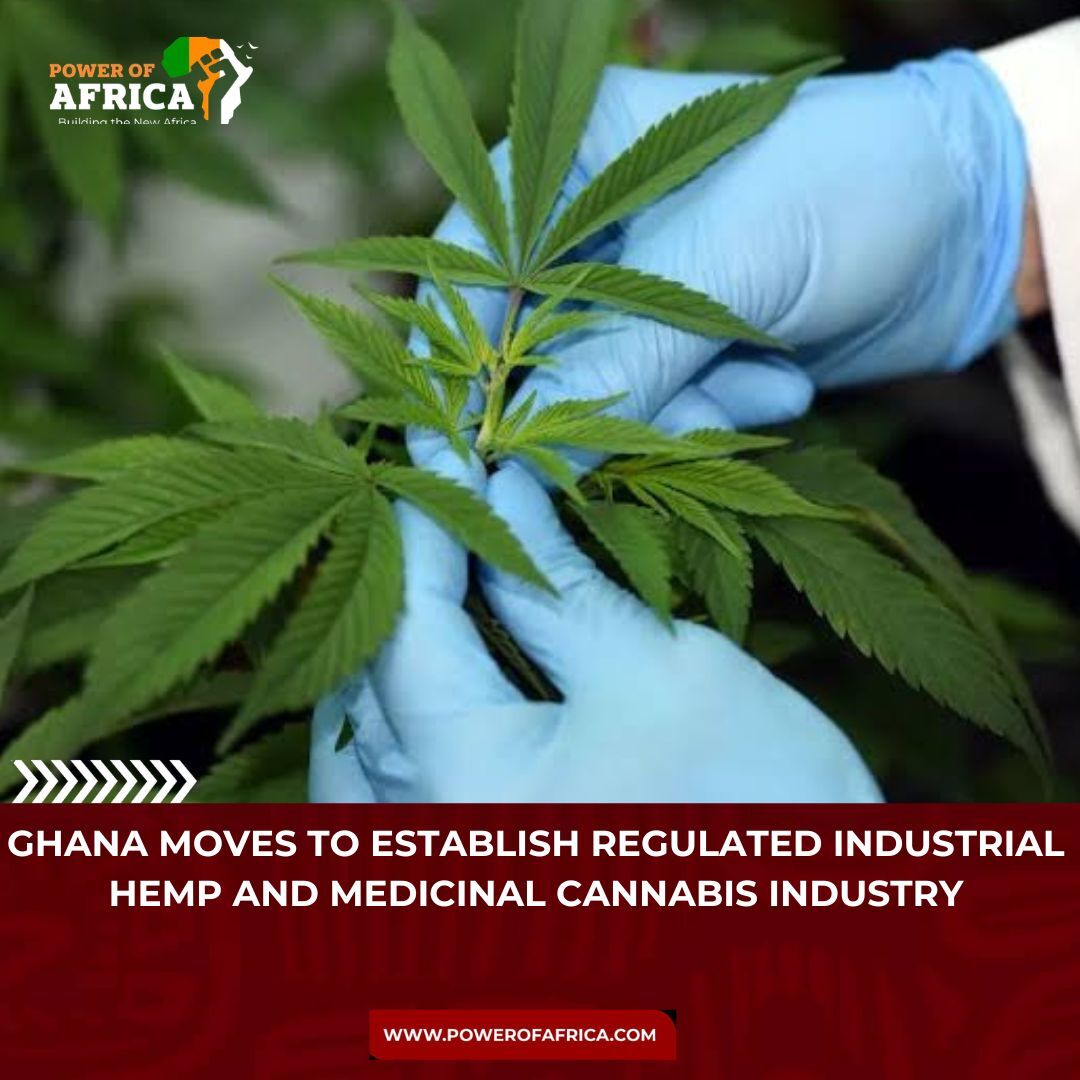
Government representatives have repeatedly stressed that the initiative is not about recreational marijuana. It is about regulated industrial production that aligns with international standards. By limiting THC levels and enforcing licensing requirements, policymakers seek to prevent abuse while unlocking economic potential.
Agriculture and trade analysts note that Ghana’s climate offers favorable conditions for hemp cultivation. With the right infrastructure, research partnerships, and processing facilities, the country could position itself as a leading supplier within Africa and beyond. The sector also presents opportunities for value addition, allowing local companies to move beyond raw exports into finished goods manufacturing.
The development comes as several African countries explore cannabis reform to diversify their economies. Ghana’s structured and law-driven approach could serve as a model for balancing innovation with regulation.
If implemented effectively, the industrial hemp program may contribute to job creation, rural development, and increased export revenue. For a country seeking new growth engines, the emerging cannabis sector represents both economic promise and regulatory responsibility.
The coming years will determine whether Ghana can translate legislative reform into a globally competitive industry. For now, the foundation has been laid for what could become one of the nation’s most closely watched agricultural transformations.
Agriculture and trade analysts note that Ghana’s climate offers favorable conditions for hemp cultivation. With the right infrastructure, research partnerships, and processing facilities, the country could position itself as a leading supplier within Africa and beyond. The sector also presents opportunities for value addition, allowing local companies to move beyond raw exports into finished goods manufacturing.
The development comes as several African countries explore cannabis reform to diversify their economies. Ghana’s structured and law-driven approach could serve as a model for balancing innovation with regulation.
If implemented effectively, the industrial hemp program may contribute to job creation, rural development, and increased export revenue. For a country seeking new growth engines, the emerging cannabis sector represents both economic promise and regulatory responsibility.
The coming years will determine whether Ghana can translate legislative reform into a globally competitive industry. For now, the foundation has been laid for what could become one of the nation’s most closely watched agricultural transformations.
