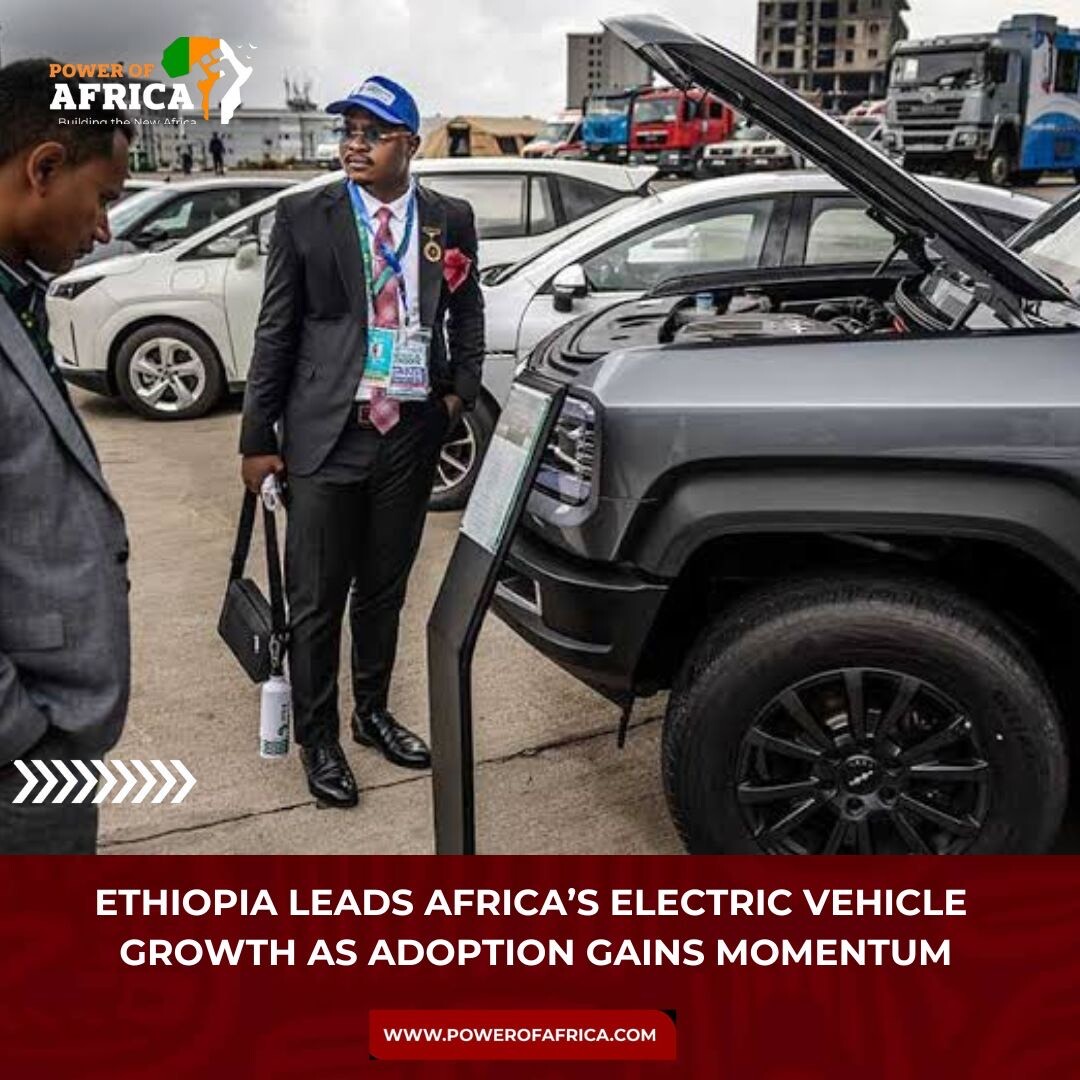
Africa’s electric vehicle transition is still in its early phase, but one country has moved far ahead of the rest. Ethiopia now holds the largest number of electric vehicles on the continent, driven by aggressive policy decisions, renewable energy advantages and rising demand for cleaner transport solutions.
Recent data shows that Ethiopia has deployed more than 100,000 electric vehicles, making it the clear leader in Africa’s emerging e-mobility landscape. The country’s growth accelerated after the government banned the import of petrol and diesel cars, a move aimed at cutting fuel costs and reducing emissions while leveraging its hydropower resources.
While several African countries are building electric mobility ecosystems, Ethiopia’s numbers place it far ahead of regional competitors. Ghana follows with roughly 17,000 electric vehicles, largely dominated by two- and three-wheelers used for commercial transport. Morocco, South Africa and Tanzania also show steady growth, each combining government incentives with expanding charging infrastructure and private investment.
Across the continent, the definition of an electric vehicle market differs from global trends. Instead of private electric cars dominating sales, much of Africa’s adoption comes from motorcycles, buses and shared transport fleets. These vehicles serve urban mobility needs and reduce operating costs for drivers, making them more attractive in price-sensitive markets.
Recent data shows that Ethiopia has deployed more than 100,000 electric vehicles, making it the clear leader in Africa’s emerging e-mobility landscape. The country’s growth accelerated after the government banned the import of petrol and diesel cars, a move aimed at cutting fuel costs and reducing emissions while leveraging its hydropower resources.
While several African countries are building electric mobility ecosystems, Ethiopia’s numbers place it far ahead of regional competitors. Ghana follows with roughly 17,000 electric vehicles, largely dominated by two- and three-wheelers used for commercial transport. Morocco, South Africa and Tanzania also show steady growth, each combining government incentives with expanding charging infrastructure and private investment.
Across the continent, the definition of an electric vehicle market differs from global trends. Instead of private electric cars dominating sales, much of Africa’s adoption comes from motorcycles, buses and shared transport fleets. These vehicles serve urban mobility needs and reduce operating costs for drivers, making them more attractive in price-sensitive markets.
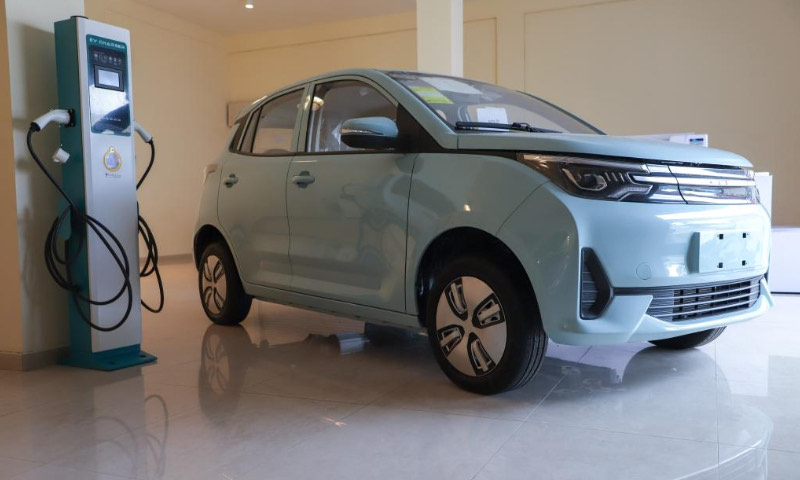
East Africa has emerged as a strong innovation hub. Kenya’s electric mobility sector, for example, has grown rapidly with thousands of new registrations and increasing investment in battery-swap infrastructure. Government tax incentives and clean-energy targets continue to attract startups and international manufacturers to the region.
Despite the growth, electric vehicles still account for a small share of total transport across Africa. Industry estimates suggest that the continent had just over 30,000 EVs outside Ethiopia by 2025, with limited charging infrastructure, high upfront costs and inconsistent power supply slowing expansion in many markets.
Yet momentum is building. Governments are introducing tax breaks, local assembly incentives and renewable energy policies to accelerate adoption. Analysts expect electric buses, delivery fleets and ride-hailing motorcycles to continue driving Africa’s EV growth rather than luxury passenger cars. As cities confront rising fuel prices and pollution concerns, the continent’s electric mobility shift appears less like a distant trend and more like an unfolding transformation led by policy experimentation and local innovation.
Despite the growth, electric vehicles still account for a small share of total transport across Africa. Industry estimates suggest that the continent had just over 30,000 EVs outside Ethiopia by 2025, with limited charging infrastructure, high upfront costs and inconsistent power supply slowing expansion in many markets.
Yet momentum is building. Governments are introducing tax breaks, local assembly incentives and renewable energy policies to accelerate adoption. Analysts expect electric buses, delivery fleets and ride-hailing motorcycles to continue driving Africa’s EV growth rather than luxury passenger cars. As cities confront rising fuel prices and pollution concerns, the continent’s electric mobility shift appears less like a distant trend and more like an unfolding transformation led by policy experimentation and local innovation.
