
Benin has officially sworn in former Finance Minister Romuald Wadagni as the country’s new president, marking a new chapter in the West African nation’s political leadership.
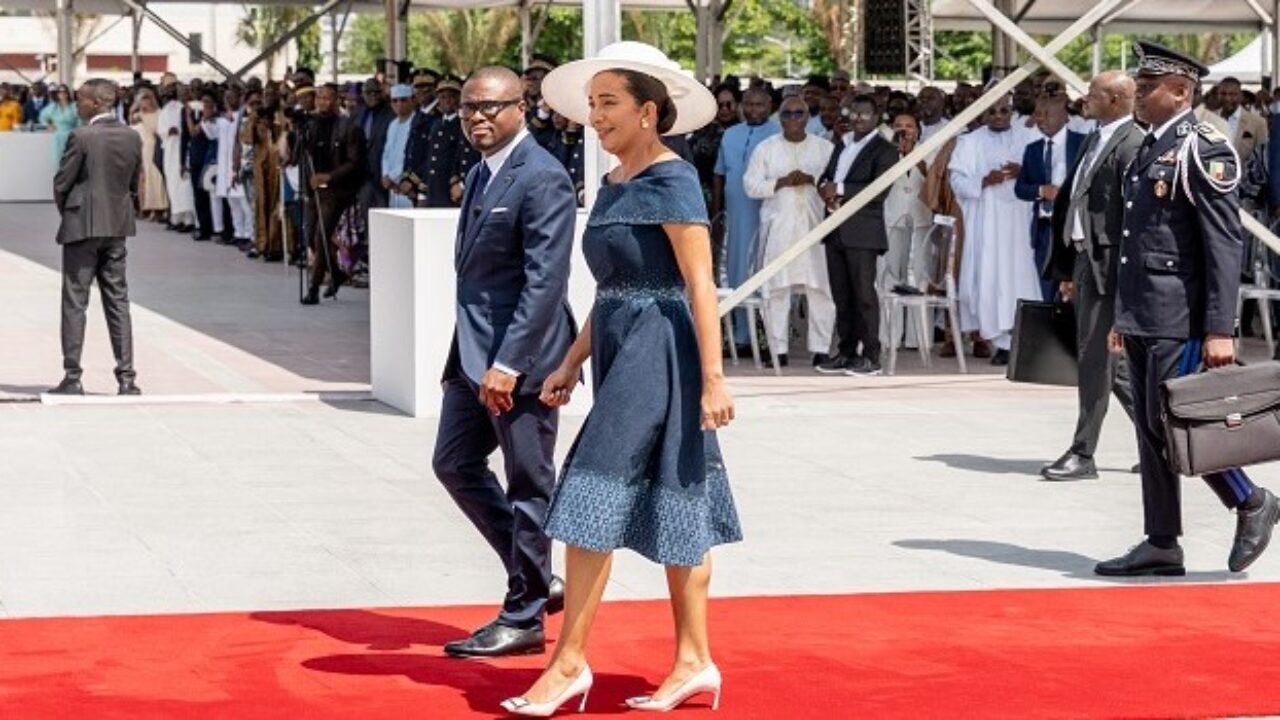
The inauguration ceremony took place in Cotonou on Sunday, where Wadagni succeeded former President Patrice Talon after the completion of Talon’s two constitutional terms in office.
Wadagni, a respected economist and technocrat, won the April presidential election with more than 94 percent of the vote. His victory was widely viewed as a continuation of the economic reforms introduced during Talon’s administration.
In his inaugural speech, the new president promised to improve living standards, create jobs, strengthen social protection, and tackle growing security concerns in northern Benin. He also pledged to govern with integrity and promote national unity.
The inauguration ceremony took place in Cotonou on Sunday, where Wadagni succeeded former President Patrice Talon after the completion of Talon’s two constitutional terms in office.
Wadagni, a respected economist and technocrat, won the April presidential election with more than 94 percent of the vote. His victory was widely viewed as a continuation of the economic reforms introduced during Talon’s administration.
In his inaugural speech, the new president promised to improve living standards, create jobs, strengthen social protection, and tackle growing security concerns in northern Benin. He also pledged to govern with integrity and promote national unity.
The 49 year old leader previously served as finance minister for nearly a decade. During his time in office, Benin recorded economic growth, improved public finances, and increased investor confidence.
However, challenges remain for the new administration. Benin continues to face insecurity linked to extremist attacks spreading from the Sahel region, while many citizens are demanding better economic opportunities and reduced inequality.
Wadagni’s presidency begins at a time when several West African countries are dealing with political instability and security threats. Analysts say his leadership will play an important role in maintaining Benin’s democratic image and economic progress in the region.
However, challenges remain for the new administration. Benin continues to face insecurity linked to extremist attacks spreading from the Sahel region, while many citizens are demanding better economic opportunities and reduced inequality.
Wadagni’s presidency begins at a time when several West African countries are dealing with political instability and security threats. Analysts say his leadership will play an important role in maintaining Benin’s democratic image and economic progress in the region.
