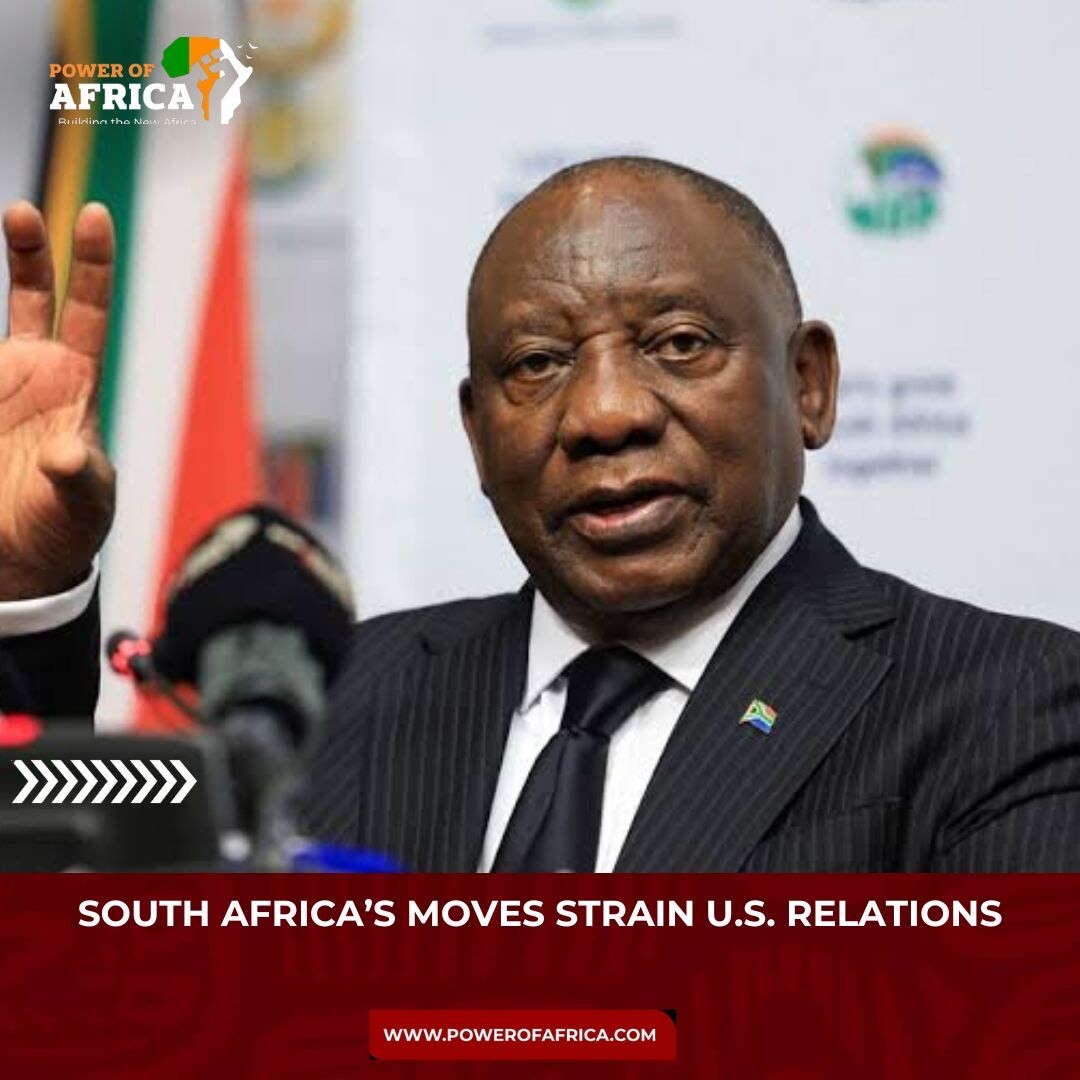
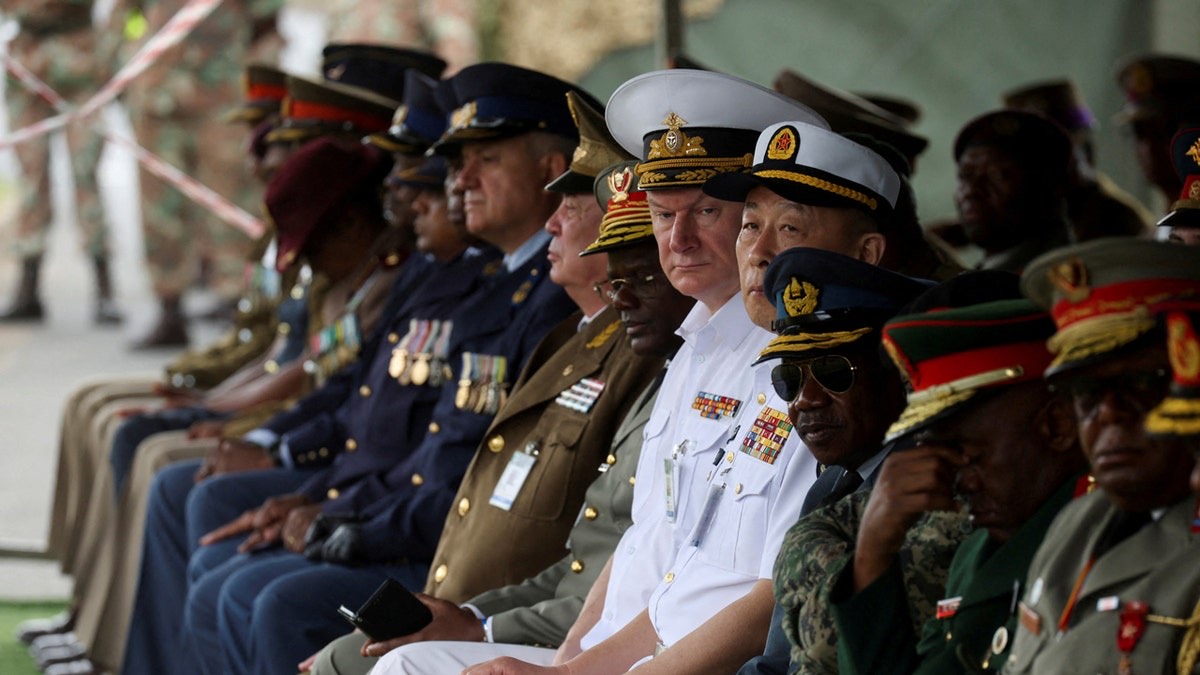
South Africa’s diplomatic relationship with the United States is entering a new and precarious phase as Pretoria’s decision to host joint naval exercises with China, Russia and Iran tests already strained ties. This week, the multinational drills began off the coast of Cape Town under the BRICS Plus banner, bringing warships from Beijing, Moscow and Tehran into South African waters. U.S. officials view the manoeuvres with deep concern, interpreting them as alignment with geopolitical rivals at a time when Washington’s patience with Pretoria is already waning.
The exercises, titled “Will for Peace 2026,” are officially framed by South Africa as efforts to improve maritime safety, anti‑piracy cooperation and interoperability among participating navies. But the inclusion of Russian and Iranian vessels, both subject to Western sanctions, has heightened U.S. unease and reinforced perceptions in Washington that South Africa’s foreign policy is tilting away from traditional Western partnerships. U.S. officials have voiced concerns about what they see as a challenge to maritime security and the broader balance of influence in Africa.
The naval drills follow a series of diplomatic and economic disputes between Pretoria and Washington that have eroded goodwill for months. Under the Trump administration, the United States imposed steep “reciprocal” tariffs on South African exports, a move widely seen in Cape Town as punitive and damaging to key sectors such as automotive and agriculture. These tariffs, which sit alongside uncertainty over South Africa’s future under the African Growth and Opportunity Act, have contributed to economic anxiety and political friction.
Political disagreements extend beyond trade. Washington’s controversial white South African refugee programme, launched in 2025 amid unfounded claims of “genocide” against white farmers, drew sharp condemnation from South African leaders who rejected the premise and accused the U.S. of misrepresentation. Pretoria has also criticised U.S. narratives about its domestic policies, including land reform legislation.
The exercises, titled “Will for Peace 2026,” are officially framed by South Africa as efforts to improve maritime safety, anti‑piracy cooperation and interoperability among participating navies. But the inclusion of Russian and Iranian vessels, both subject to Western sanctions, has heightened U.S. unease and reinforced perceptions in Washington that South Africa’s foreign policy is tilting away from traditional Western partnerships. U.S. officials have voiced concerns about what they see as a challenge to maritime security and the broader balance of influence in Africa.
The naval drills follow a series of diplomatic and economic disputes between Pretoria and Washington that have eroded goodwill for months. Under the Trump administration, the United States imposed steep “reciprocal” tariffs on South African exports, a move widely seen in Cape Town as punitive and damaging to key sectors such as automotive and agriculture. These tariffs, which sit alongside uncertainty over South Africa’s future under the African Growth and Opportunity Act, have contributed to economic anxiety and political friction.
Political disagreements extend beyond trade. Washington’s controversial white South African refugee programme, launched in 2025 amid unfounded claims of “genocide” against white farmers, drew sharp condemnation from South African leaders who rejected the premise and accused the U.S. of misrepresentation. Pretoria has also criticised U.S. narratives about its domestic policies, including land reform legislation.
Public sentiment reflects these divisions. In recent days, protesters in Pretoria demonstrated outside the U.S. Embassy, condemning American intervention in Venezuela and calling for the release of its former president. The protest underscored South Africa’s willingness to challenge U.S. positions on global issues, even when doing so risks further diplomatic fallout.
South African leaders argue that engaging with a broader range of global partners serves the country’s strategic interests and helps diversify its international relationships. Critics at home, however, warn that overtures toward nations seen as adversarial by Washington could undermine South Africa’s economic prospects and its position as a non‑aligned nation.
As geopolitical competition intensifies, South Africa must navigate the fine line between asserting its sovereign foreign policy and maintaining constructive relations with one of its most important economic partners. The current test posed by the BRICS‑linked naval exercises is likely to shape the trajectory of U.S.–South Africa ties in the months ahead.
South African leaders argue that engaging with a broader range of global partners serves the country’s strategic interests and helps diversify its international relationships. Critics at home, however, warn that overtures toward nations seen as adversarial by Washington could undermine South Africa’s economic prospects and its position as a non‑aligned nation.
As geopolitical competition intensifies, South Africa must navigate the fine line between asserting its sovereign foreign policy and maintaining constructive relations with one of its most important economic partners. The current test posed by the BRICS‑linked naval exercises is likely to shape the trajectory of U.S.–South Africa ties in the months ahead.
