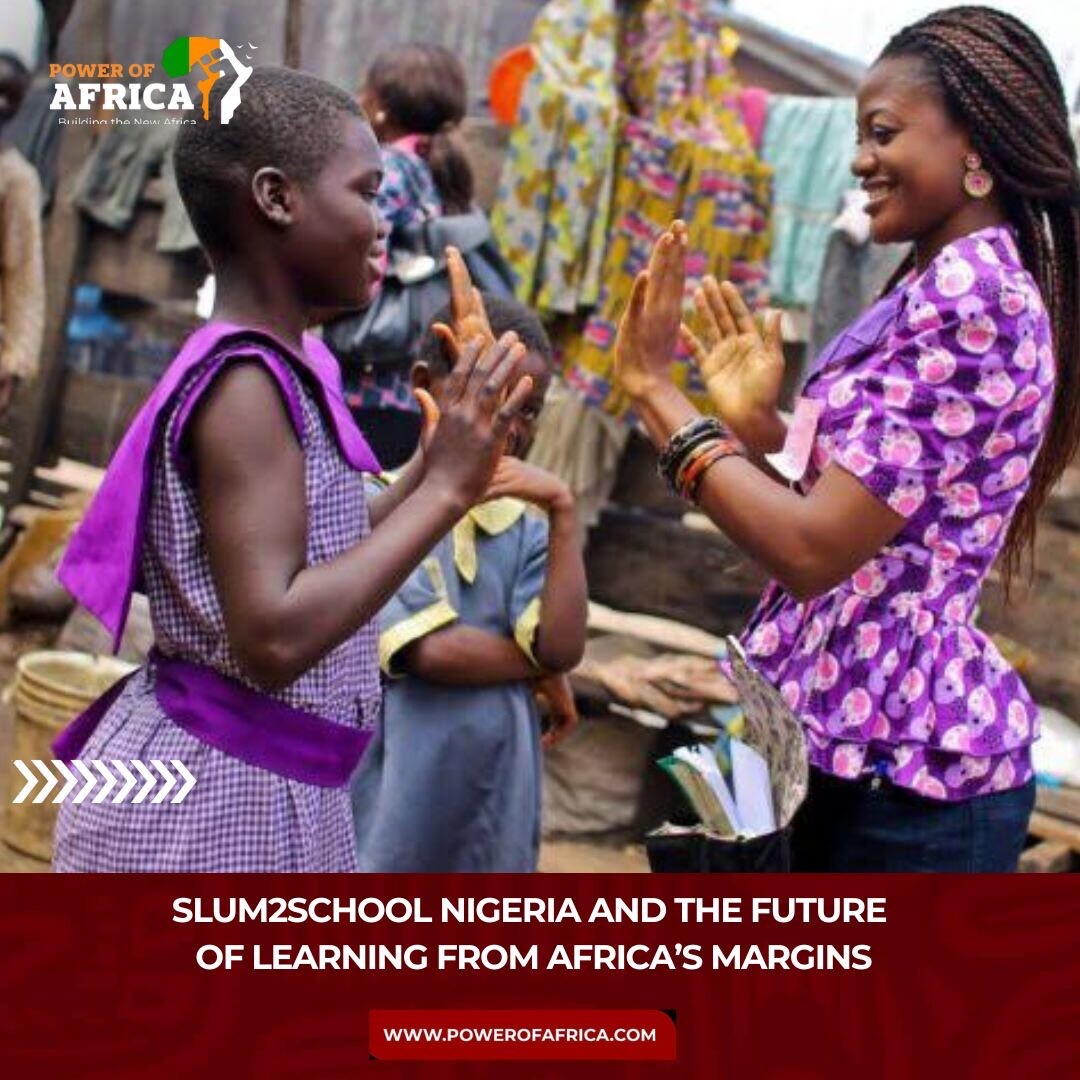
In the floating slums of Lagos, where wooden shacks line the waterways and classrooms are scarce, a quiet revolution in education has been taking place. For years, children here grew up with little hope of stepping into a formal school. Today, many of them log into virtual lessons, receive mentorship from professionals across the world, and dream of futures once thought impossible. The change has been driven by Slum2School Africa, a homegrown initiative that has become one of the continent’s most inspiring education models.
What makes Slum2School remarkable is not just that it teaches children who would otherwise be forgotten, but the way it reimagines what education can look like in underserved communities. Traditional classrooms often take years to build, and in the meantime entire generations of children miss out. Slum2School answered that challenge with mobile classrooms, community learning hubs, and a digital platform that connects children in slums to teachers and mentors far beyond their neighborhoods. The innovation lies in making education flexible, portable, and deeply rooted in the community itself.
This vision has not gone unnoticed. Global education experts have recognized Slum2School as one of the most impactful initiatives of its kind, but its true recognition is seen in the daily lives of the children it serves. A child in Makoko who once had no path to literacy can now read and write with confidence. A teenager in a remote community who had never seen a computer can now participate in coding classes. These are not small victories. They are life altering changes that ripple through families and communities.
What makes Slum2School remarkable is not just that it teaches children who would otherwise be forgotten, but the way it reimagines what education can look like in underserved communities. Traditional classrooms often take years to build, and in the meantime entire generations of children miss out. Slum2School answered that challenge with mobile classrooms, community learning hubs, and a digital platform that connects children in slums to teachers and mentors far beyond their neighborhoods. The innovation lies in making education flexible, portable, and deeply rooted in the community itself.
This vision has not gone unnoticed. Global education experts have recognized Slum2School as one of the most impactful initiatives of its kind, but its true recognition is seen in the daily lives of the children it serves. A child in Makoko who once had no path to literacy can now read and write with confidence. A teenager in a remote community who had never seen a computer can now participate in coding classes. These are not small victories. They are life altering changes that ripple through families and communities.
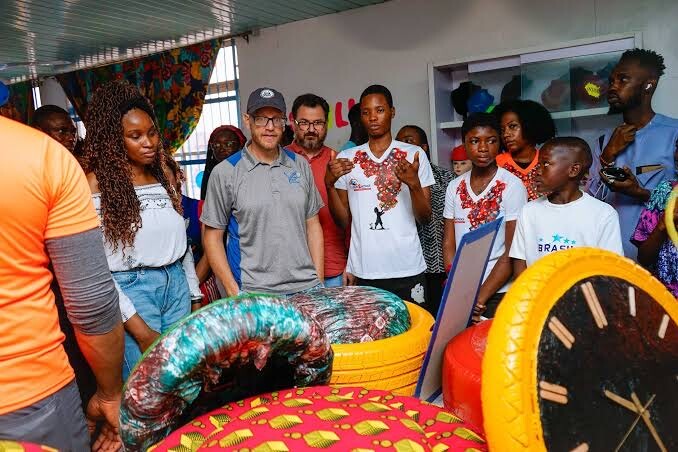
Slum2School is also a story about African ownership of African problems. Instead of waiting for government intervention or foreign aid, young Nigerians designed a system that meets their reality. By combining local knowledge with digital tools, they created a model that other countries on the continent can adapt. It shows that the future of learning in Africa does not have to copy the past. It can be shaped by the creativity of the present.
The challenge ahead is scale. Millions of African children remain out of school, and technology alone cannot solve every barrier. But what Slum2School demonstrates is that solutions already exist in the continent’s own backyard. For the children of Lagos slums, the promise is simple yet profound. Education is no longer a distant dream but a daily reality, and that shift can change the story of a generation.
The challenge ahead is scale. Millions of African children remain out of school, and technology alone cannot solve every barrier. But what Slum2School demonstrates is that solutions already exist in the continent’s own backyard. For the children of Lagos slums, the promise is simple yet profound. Education is no longer a distant dream but a daily reality, and that shift can change the story of a generation.
