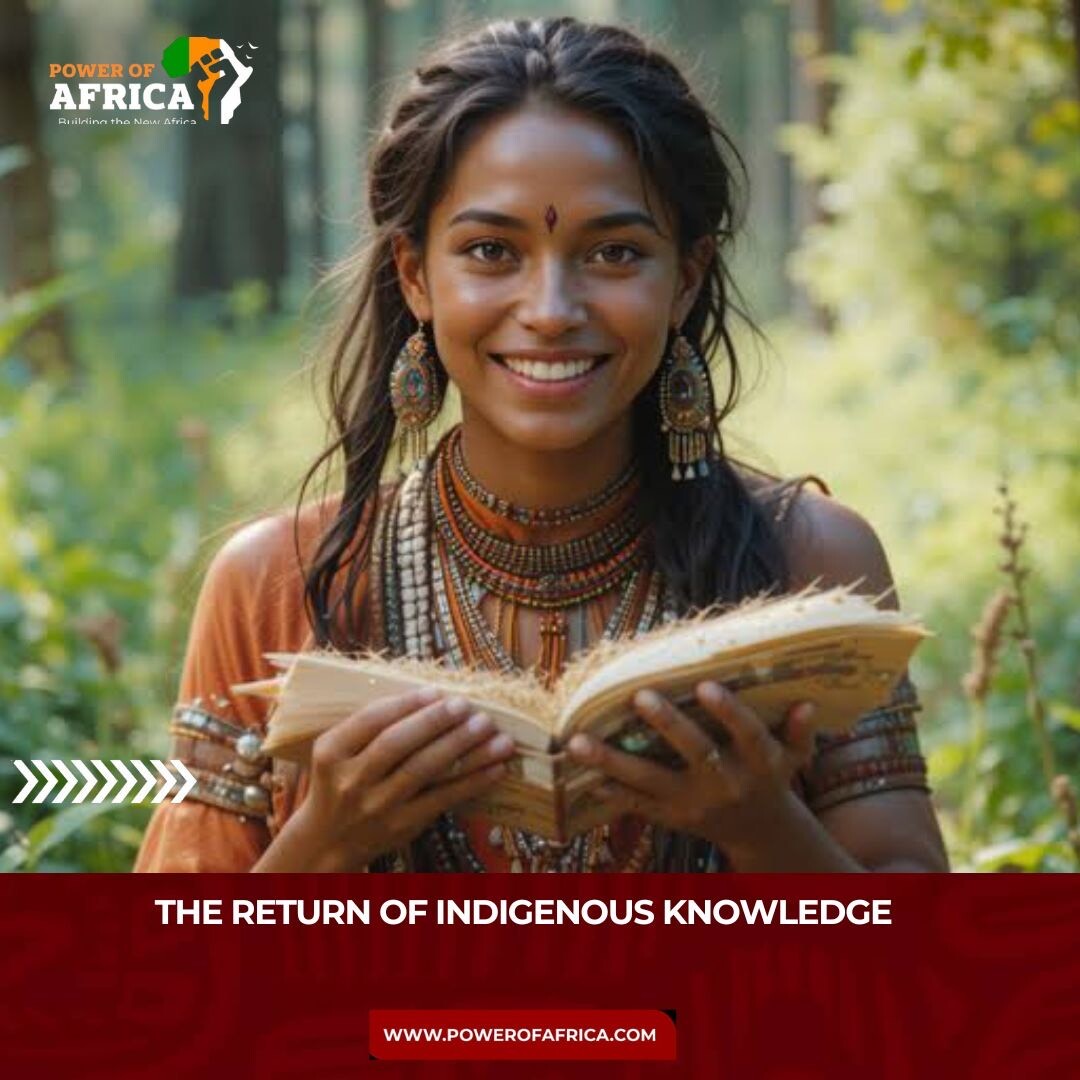
African classrooms are changing. After decades of curriculums shaped by colonial systems, schools and universities are reintroducing indigenous knowledge. From Ethiopia’s traditional medicine to Ghana’s architectural techniques using earth and clay, these systems are now finding space alongside modern science.
In Kenya, agricultural colleges teach students how to combine climate-smart farming with age-old practices of crop rotation and seed saving. In South Africa, scholars are documenting the philosophies of Ubuntu as part of leadership studies. In Nigeria, local languages are being revived in schools to ensure young people can innovate without losing their cultural identity.
In Kenya, agricultural colleges teach students how to combine climate-smart farming with age-old practices of crop rotation and seed saving. In South Africa, scholars are documenting the philosophies of Ubuntu as part of leadership studies. In Nigeria, local languages are being revived in schools to ensure young people can innovate without losing their cultural identity.
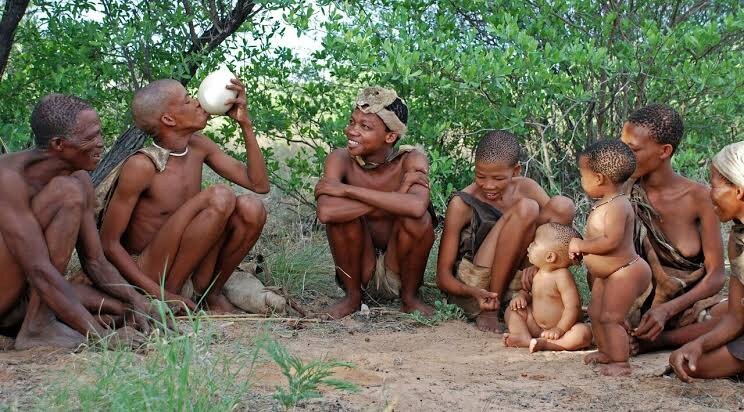
This matters because education is not just about skills; it’s about identity. When African students see their culture in textbooks, they connect learning with everyday life. It also preserves knowledge that is often at risk of being lost.
The challenge is balance. Africa cannot ignore global science and technology, but integrating both worlds creates a richer education. A student who learns coding while also studying African storytelling develops a problem-solving mindset rooted in both tradition and innovation. The return of indigenous knowledge is not a step back it’s a step toward an education that feels fully African.
The challenge is balance. Africa cannot ignore global science and technology, but integrating both worlds creates a richer education. A student who learns coding while also studying African storytelling develops a problem-solving mindset rooted in both tradition and innovation. The return of indigenous knowledge is not a step back it’s a step toward an education that feels fully African.
