
The Kenyan government has granted major United States companies an exemption from its newly introduced 15 percent minimum corporate tax, a move aimed at protecting foreign investment and maintaining the country’s competitiveness as a regional business hub.
The minimum corporate tax, which recently came into effect, was designed to ensure that large multinational firms pay a baseline level of tax regardless of incentives or deductions. However, Kenyan authorities say exemptions for certain U.S.-based companies were necessary to avoid disrupting existing investment agreements and to preserve strategic economic partnerships.
Officials familiar with the decision noted that many of the affected companies operate in critical sectors such as technology, manufacturing, energy, and services, and play a significant role in job creation, exports, and skills transfer. The exemption is expected to apply to firms operating under specific bilateral investment arrangements or long-term incentive frameworks already agreed with the government.
The minimum corporate tax, which recently came into effect, was designed to ensure that large multinational firms pay a baseline level of tax regardless of incentives or deductions. However, Kenyan authorities say exemptions for certain U.S.-based companies were necessary to avoid disrupting existing investment agreements and to preserve strategic economic partnerships.
Officials familiar with the decision noted that many of the affected companies operate in critical sectors such as technology, manufacturing, energy, and services, and play a significant role in job creation, exports, and skills transfer. The exemption is expected to apply to firms operating under specific bilateral investment arrangements or long-term incentive frameworks already agreed with the government.
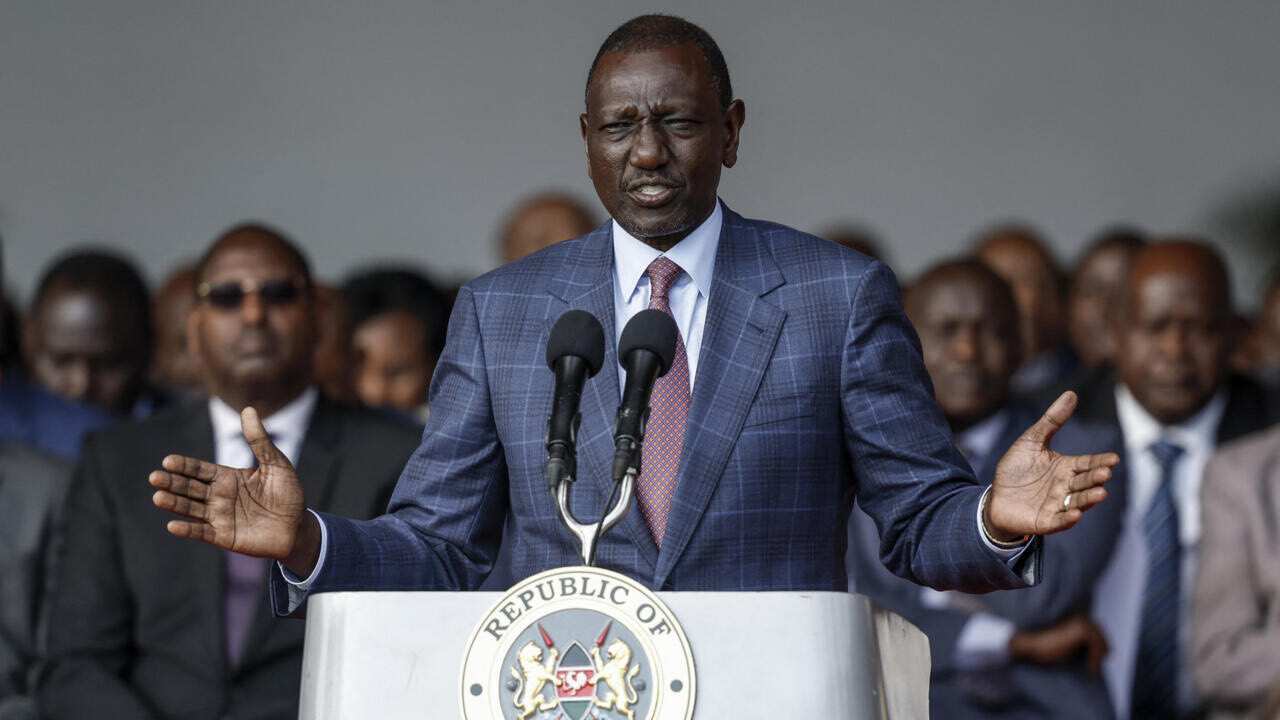
The move follows consultations between Kenyan officials, industry representatives, and international partners, with concerns raised that enforcing the minimum tax on some foreign investors could lead to capital flight or discourage future investments.
While business groups have welcomed the exemption as a sign of policy flexibility, some local stakeholders have questioned whether it creates unequal treatment between foreign and domestic firms. The government has responded by emphasizing that the tax policy is still evolving and that the broader objective remains to expand the tax base without undermining economic growth.
Kenya’s decision reflects the delicate balance many African economies face as they pursue tax reforms while competing for global investment. Authorities say they will continue reviewing the impact of the minimum corporate tax and adjust implementation to safeguard both revenue generation and investor confidence.
While business groups have welcomed the exemption as a sign of policy flexibility, some local stakeholders have questioned whether it creates unequal treatment between foreign and domestic firms. The government has responded by emphasizing that the tax policy is still evolving and that the broader objective remains to expand the tax base without undermining economic growth.
Kenya’s decision reflects the delicate balance many African economies face as they pursue tax reforms while competing for global investment. Authorities say they will continue reviewing the impact of the minimum corporate tax and adjust implementation to safeguard both revenue generation and investor confidence.
