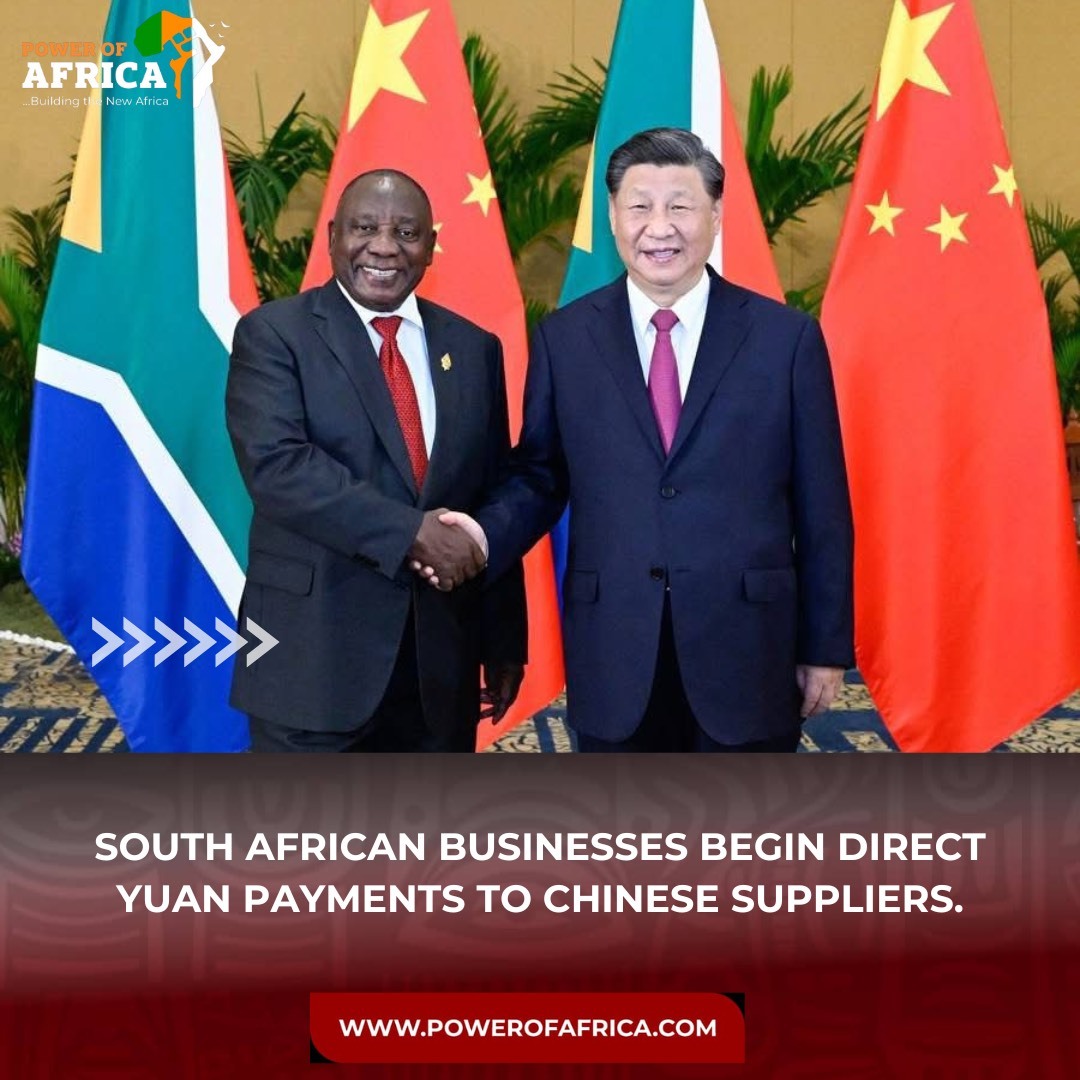
South African businesses can now pay Chinese suppliers directly in the Chinese yuan, marking a significant shift in trade settlements between Africa’s largest industrial economy and its biggest trading partner.
The move follows new banking and financial arrangements that allow local firms to settle transactions in yuan without converting to the US dollar. Business leaders say the change will reduce transaction costs, minimize currency conversion risks, and speed up cross-border payments.
China has remained South Africa’s largest trading partner for over a decade, with bilateral trade spanning mining, manufacturing, energy, automotive components, electronics, and consumer goods. Until now, most transactions were settled in US dollars, exposing businesses to exchange rate volatility and additional banking fees.
The move follows new banking and financial arrangements that allow local firms to settle transactions in yuan without converting to the US dollar. Business leaders say the change will reduce transaction costs, minimize currency conversion risks, and speed up cross-border payments.
China has remained South Africa’s largest trading partner for over a decade, with bilateral trade spanning mining, manufacturing, energy, automotive components, electronics, and consumer goods. Until now, most transactions were settled in US dollars, exposing businesses to exchange rate volatility and additional banking fees.
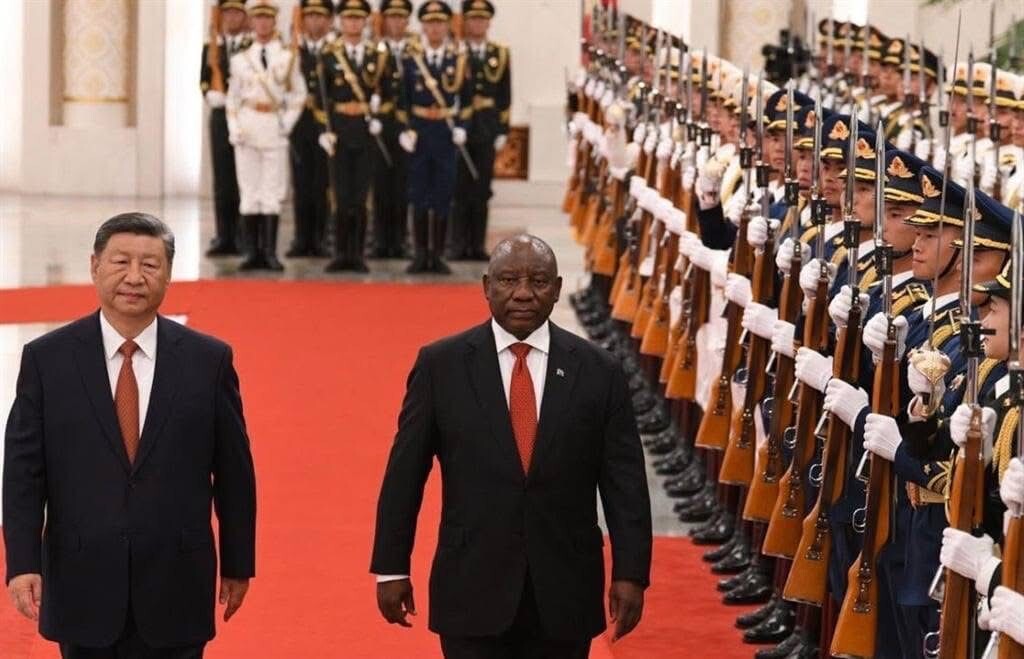
Financial analysts say the adoption of yuan-denominated payments reflects a broader global trend toward using local currencies in international trade. It also aligns with the growing push by emerging economies to reduce reliance on the US dollar and strengthen financial cooperation within alternative currency frameworks.
South African exporters and importers are expected to benefit from improved price certainty and greater efficiency in supply chain transactions. Smaller and medium-sized enterprises, in particular, may gain easier access to Chinese markets as payment processes become more streamlined.
The development is also seen as strengthening South Africa–China economic ties, especially within platforms such as BRICS, where member countries have increasingly explored alternative trade and settlement mechanisms.
Economists note that while the US dollar will remain dominant in global trade, increased use of the yuan in Africa signals a gradual shift in the international financial landscape. For South Africa, the change could enhance trade competitiveness and reinforce its role as a key gateway between Africa and Asia.
South African exporters and importers are expected to benefit from improved price certainty and greater efficiency in supply chain transactions. Smaller and medium-sized enterprises, in particular, may gain easier access to Chinese markets as payment processes become more streamlined.
The development is also seen as strengthening South Africa–China economic ties, especially within platforms such as BRICS, where member countries have increasingly explored alternative trade and settlement mechanisms.
Economists note that while the US dollar will remain dominant in global trade, increased use of the yuan in Africa signals a gradual shift in the international financial landscape. For South Africa, the change could enhance trade competitiveness and reinforce its role as a key gateway between Africa and Asia.
