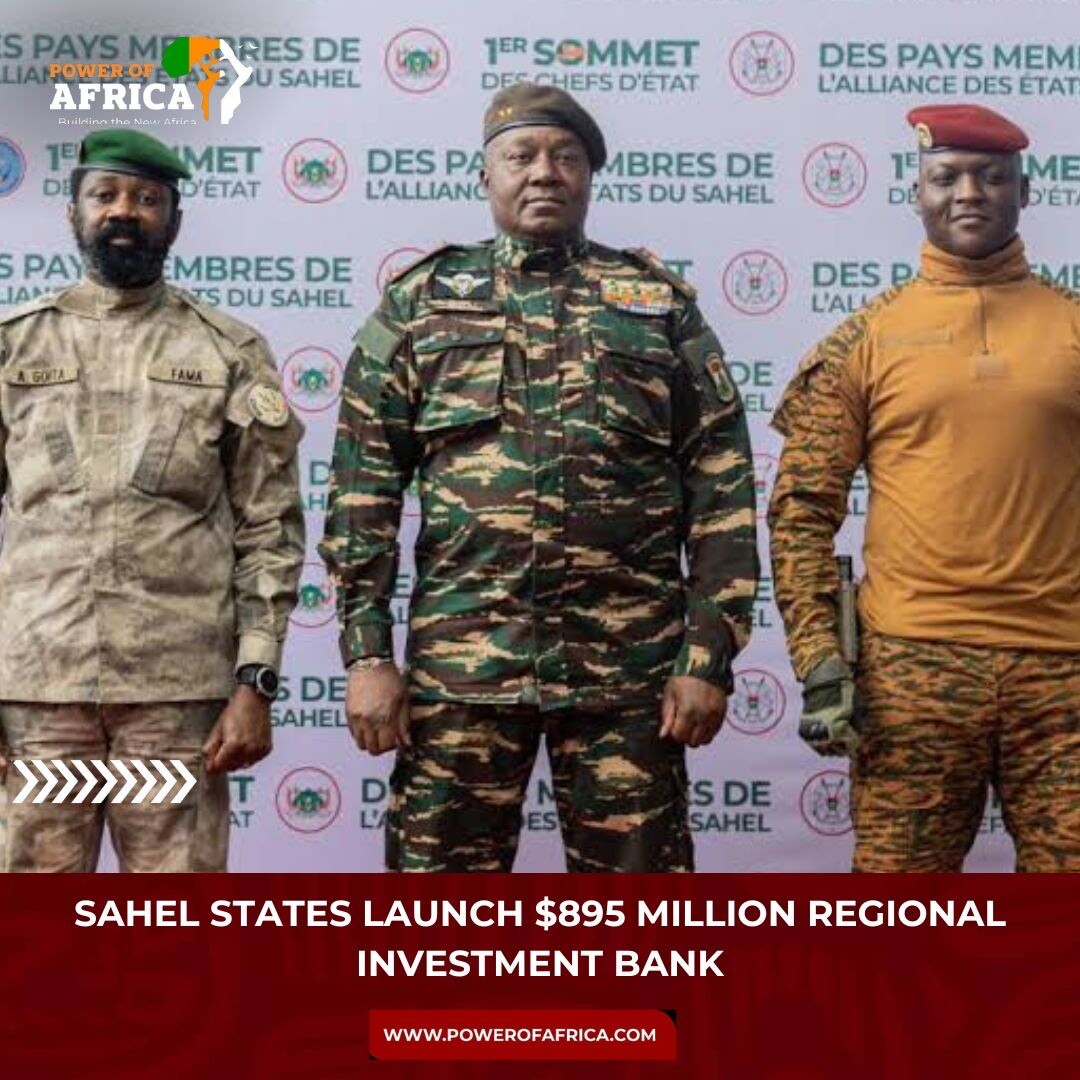
Mali, Burkina Faso and Niger have launched a regional investment bank valued at 500 billion CFA francs, approximately $895 million, in a move that signals a decisive shift in the economic strategy of the Sahel region. The new institution is designed to finance large-scale development projects and deepen economic cooperation among the three countries at a time of growing fiscal pressure and limited access to international capital.
From an economic perspective, the bank represents an attempt to mobilise domestic and regional resources to address long-standing infrastructure gaps. Key focus areas include transport networks, energy generation, agriculture and industrial development, sectors that are critical to productivity growth and job creation across the Sahel. By pooling capital and coordinating investment decisions, the three states aim to reduce project financing costs and improve the efficiency of public spending.
The funding structure of the bank is particularly significant. Member states have committed to contributing a portion of their tax revenues, reportedly around five per cent, to sustain the institution. This approach reflects a broader policy direction toward fiscal self-reliance and reduced dependence on foreign aid and multilateral lenders, whose financing often comes with strict conditions. For economies that have faced sanctions, aid suspensions and rising debt servicing costs, the bank offers an alternative channel for development finance.
From an economic perspective, the bank represents an attempt to mobilise domestic and regional resources to address long-standing infrastructure gaps. Key focus areas include transport networks, energy generation, agriculture and industrial development, sectors that are critical to productivity growth and job creation across the Sahel. By pooling capital and coordinating investment decisions, the three states aim to reduce project financing costs and improve the efficiency of public spending.
The funding structure of the bank is particularly significant. Member states have committed to contributing a portion of their tax revenues, reportedly around five per cent, to sustain the institution. This approach reflects a broader policy direction toward fiscal self-reliance and reduced dependence on foreign aid and multilateral lenders, whose financing often comes with strict conditions. For economies that have faced sanctions, aid suspensions and rising debt servicing costs, the bank offers an alternative channel for development finance.
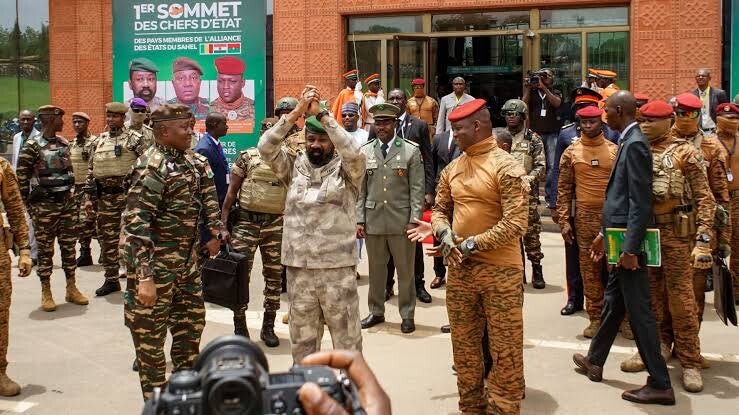
The launch also aligns with the economic agenda of the Alliance of Sahel States, a bloc formed after Mali, Burkina Faso and Niger withdrew from ECOWAS. Beyond its financial role, the bank is expected to act as a catalyst for regional integration, encouraging cross-border trade and investment within the Sahel.
However, its long-term impact will depend on governance, project selection and macroeconomic stability within member states. If managed transparently and efficiently, the $895 million investment bank could become a cornerstone of economic resilience in the Sahel, supporting growth driven by regional priorities rather than external dependency.
However, its long-term impact will depend on governance, project selection and macroeconomic stability within member states. If managed transparently and efficiently, the $895 million investment bank could become a cornerstone of economic resilience in the Sahel, supporting growth driven by regional priorities rather than external dependency.
