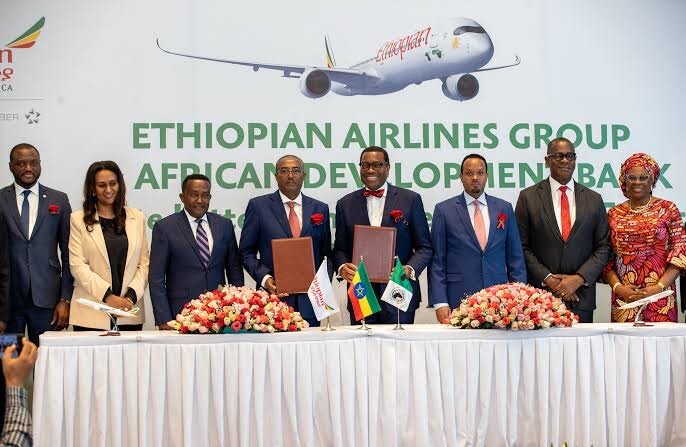
Ethiopian Airlines has taken a major step in transforming its aviation ambitions by establishing a Special Purpose Company (SPC) fully owned by the airline group to develop, finance, and operate the Bishoftu International Airport (BIA). This move reflects a disciplined strategy aimed at ensuring transparency, accountability, and sustainability over what may become one of Africa’s largest airport undertakings.
The Bishoftu project is expected to cost around USD 10 billion, covering construction, financing, professional fees, and contingencies. Ethiopian Airlines’ plan involves a debt-equity mix of approximately 70-30, where debt will come in parts from multilateral development banks, export credit agencies (ECAs), commercial banks, and private lenders.
As part of the financing model, contractors bidding for the EPC (Engineering, Procurement, and Construction) work will need to include committed financing offers from ECAs. This means cost estimates will be stress-tested for both construction efficiency (70%) and financing terms (30%). This integration of financing into the bid process strengthens the overall financial integrity of the project.
The Bishoftu project is expected to cost around USD 10 billion, covering construction, financing, professional fees, and contingencies. Ethiopian Airlines’ plan involves a debt-equity mix of approximately 70-30, where debt will come in parts from multilateral development banks, export credit agencies (ECAs), commercial banks, and private lenders.
As part of the financing model, contractors bidding for the EPC (Engineering, Procurement, and Construction) work will need to include committed financing offers from ECAs. This means cost estimates will be stress-tested for both construction efficiency (70%) and financing terms (30%). This integration of financing into the bid process strengthens the overall financial integrity of the project.
One of the key roles the SPC will play is ring-fencing the project’s cash flows. All revenues will flow into a dedicated account, with a clear waterfall of payments. Operations and maintenance, statutory obligations, and debt service take priority, with equity distributions coming later. The SPC is structured under a limited-recourse project finance model, which limits obligations of the airline group beyond its equity contribution.
Bishoftu is being designed to relieve pressure on Addis Ababa’s Bole International Airport, which currently handles about 20 million passengers but is constrained by altitude, space, and urban encroachment. At full build-out, Bishoftu Airport aims to manage about 110 million passengers annually, with the first phase targeting 60 million by late 2029. It also aims to handle massive cargo growth and include a direct rail link to Addis Ababa.
By creating an SPC, Ethiopian Airlines positions the Bishoftu project not just as an infrastructure investment, but as a model of good project governance. If implemented well, it could become a benchmark for large-scale aviation projects across Africa, showing that such infrastructure can be both ambitious and financially disciplined.
Bishoftu is being designed to relieve pressure on Addis Ababa’s Bole International Airport, which currently handles about 20 million passengers but is constrained by altitude, space, and urban encroachment. At full build-out, Bishoftu Airport aims to manage about 110 million passengers annually, with the first phase targeting 60 million by late 2029. It also aims to handle massive cargo growth and include a direct rail link to Addis Ababa.
By creating an SPC, Ethiopian Airlines positions the Bishoftu project not just as an infrastructure investment, but as a model of good project governance. If implemented well, it could become a benchmark for large-scale aviation projects across Africa, showing that such infrastructure can be both ambitious and financially disciplined.
