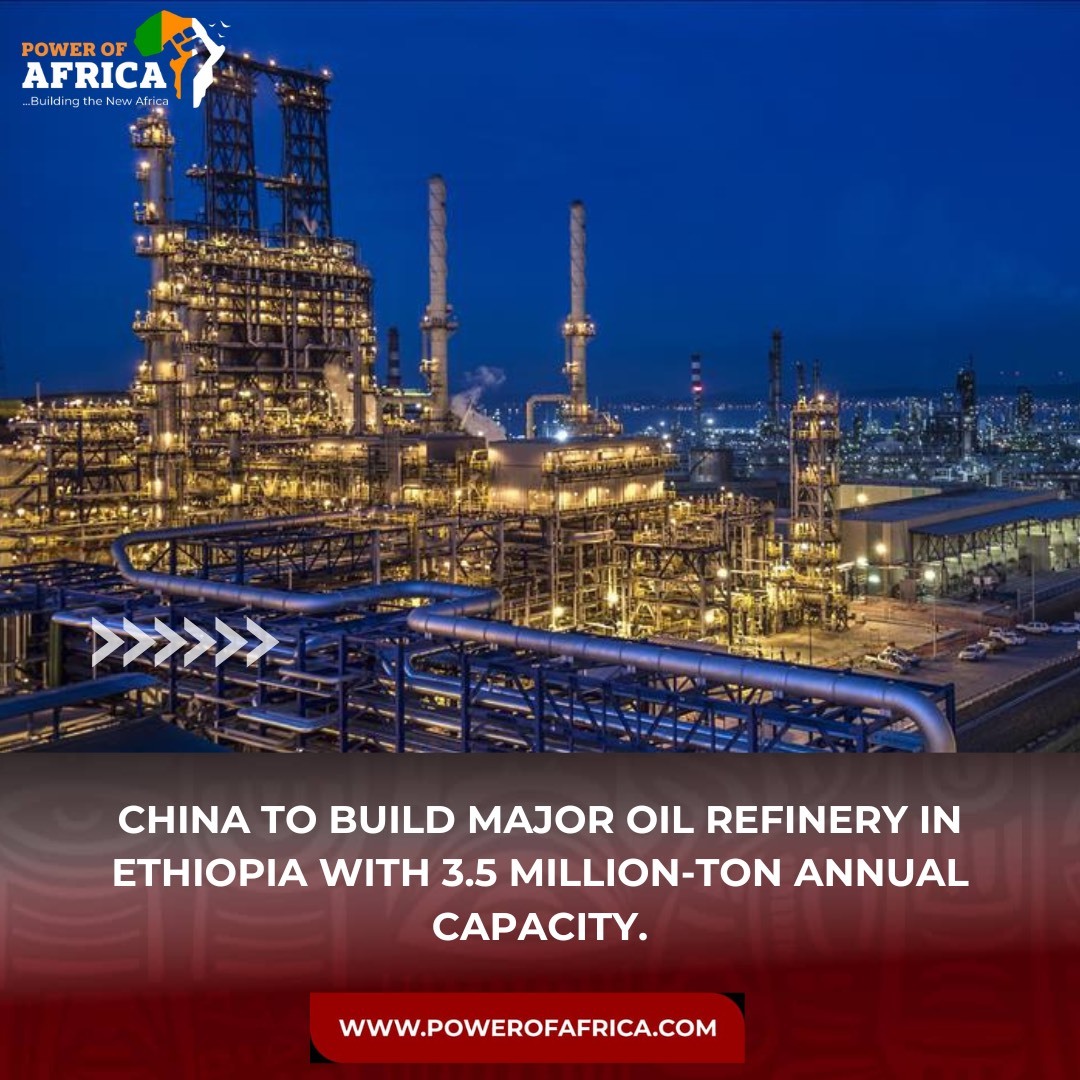
In a move set to boost Ethiopia’s energy independence and industrial growth, China has announced plans to construct a large-scale oil refinery in the country with the capacity to produce 3.5 million tons of fuel annually. The project marks one of the most significant energy collaborations between China and Ethiopia to date, signaling deepening economic ties between the two nations.
The refinery will be designed to process crude oil into refined petroleum products, including gasoline, diesel, and jet fuel, meeting the growing domestic demand for energy while reducing Ethiopia’s heavy reliance on imported fuel. The project is also expected to support the nation’s industrialization drive by ensuring a steady energy supply for factories, transport systems, and infrastructure development.
According to government sources, the oil refinery will be developed under a bilateral agreement that includes provisions for technology transfer, local workforce training, and environmental sustainability. The initiative is expected to create thousands of direct and indirect jobs, stimulate local industries, and contribute to Ethiopia’s long-term vision of becoming an energy and manufacturing hub in East Africa.
The refinery will be designed to process crude oil into refined petroleum products, including gasoline, diesel, and jet fuel, meeting the growing domestic demand for energy while reducing Ethiopia’s heavy reliance on imported fuel. The project is also expected to support the nation’s industrialization drive by ensuring a steady energy supply for factories, transport systems, and infrastructure development.
According to government sources, the oil refinery will be developed under a bilateral agreement that includes provisions for technology transfer, local workforce training, and environmental sustainability. The initiative is expected to create thousands of direct and indirect jobs, stimulate local industries, and contribute to Ethiopia’s long-term vision of becoming an energy and manufacturing hub in East Africa.
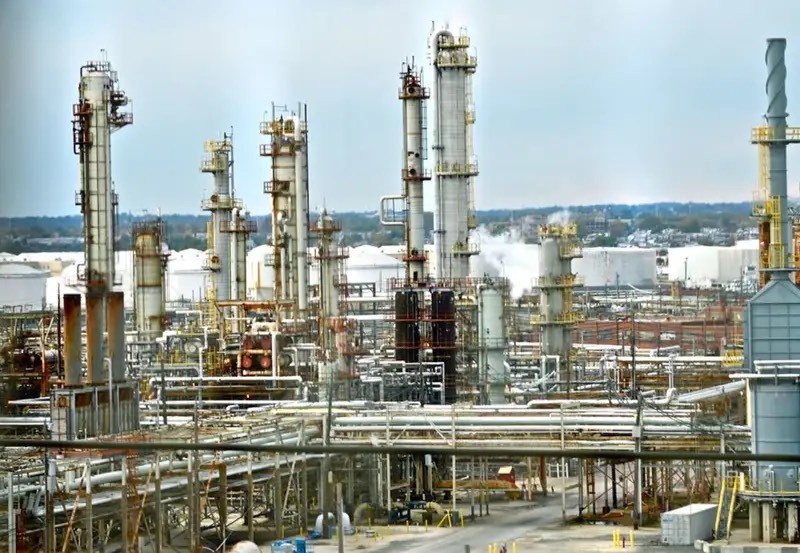
Energy experts say the refinery will significantly strengthen Ethiopia’s economic resilience by reducing foreign exchange pressures linked to fuel imports and by creating a foundation for regional energy trade. The move also aligns with the country’s strategic infrastructure development goals and supports the broader African Union agenda of advancing local value addition in the energy sector.
This development aligns closely with the United Nations Sustainable Development Goal 9, which focuses on building resilient infrastructure, promoting inclusive and sustainable industrialization, and fostering innovation. By partnering with China on this refinery, Ethiopia is taking a major step toward establishing a modern energy infrastructure capable of fueling its industrial ambitions and supporting sustainable economic growth.
When completed, the refinery is expected to position Ethiopia as a key player in East Africa’s petroleum industry, providing both economic leverage and technological advancement in the region’s evolving energy landscape.
This development aligns closely with the United Nations Sustainable Development Goal 9, which focuses on building resilient infrastructure, promoting inclusive and sustainable industrialization, and fostering innovation. By partnering with China on this refinery, Ethiopia is taking a major step toward establishing a modern energy infrastructure capable of fueling its industrial ambitions and supporting sustainable economic growth.
When completed, the refinery is expected to position Ethiopia as a key player in East Africa’s petroleum industry, providing both economic leverage and technological advancement in the region’s evolving energy landscape.
