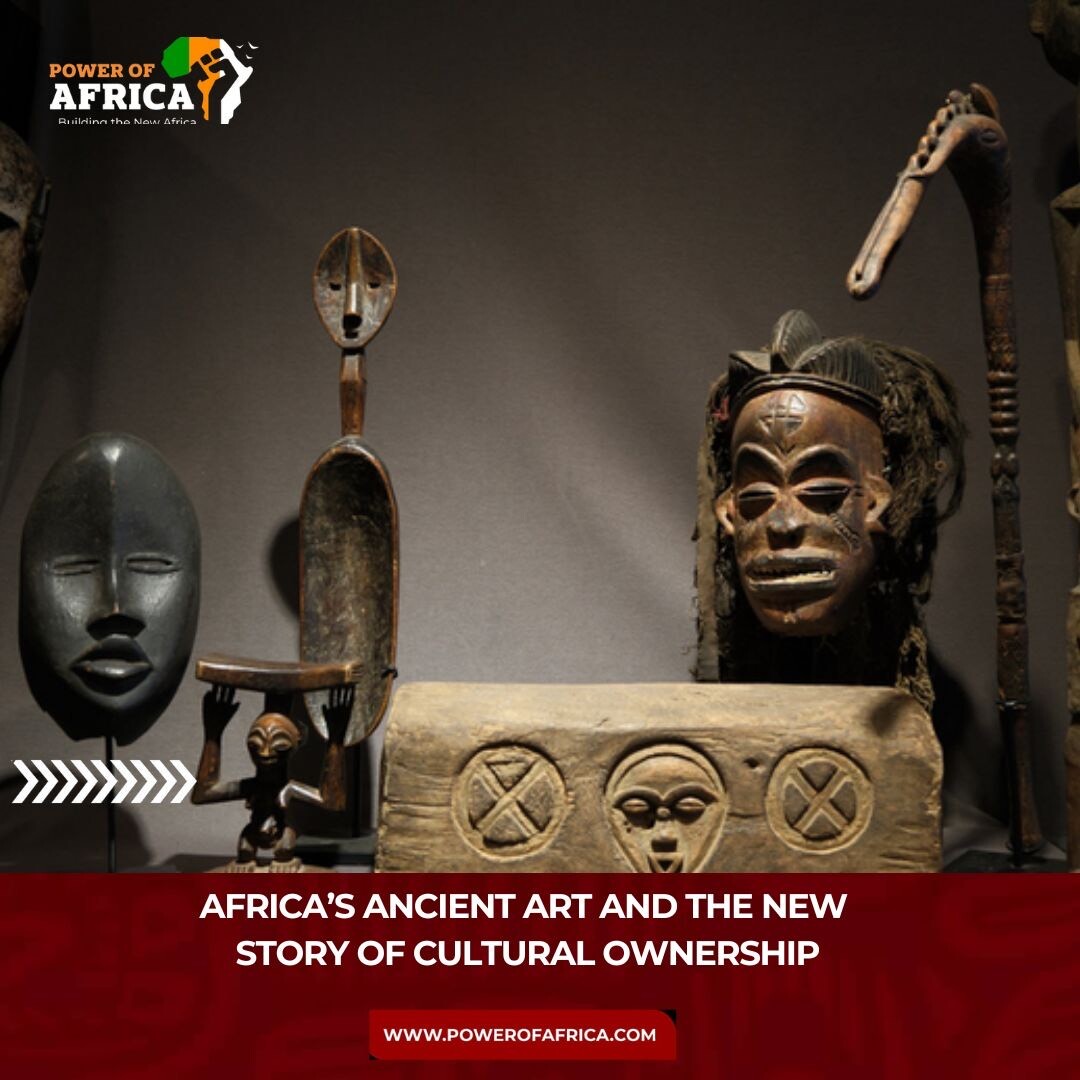
Across museums in Europe, priceless African artifacts sit behind glass, admired by millions but far from the communities that created them. From the Benin Bronzes to Ethiopian manuscripts and Malian masks, much of Africa’s artistic heritage was taken during colonial times. For decades, the question of restitution was treated as distant or unrealistic. Yet in recent years, a new chapter has begun, with African countries reclaiming ownership of their cultural memory.
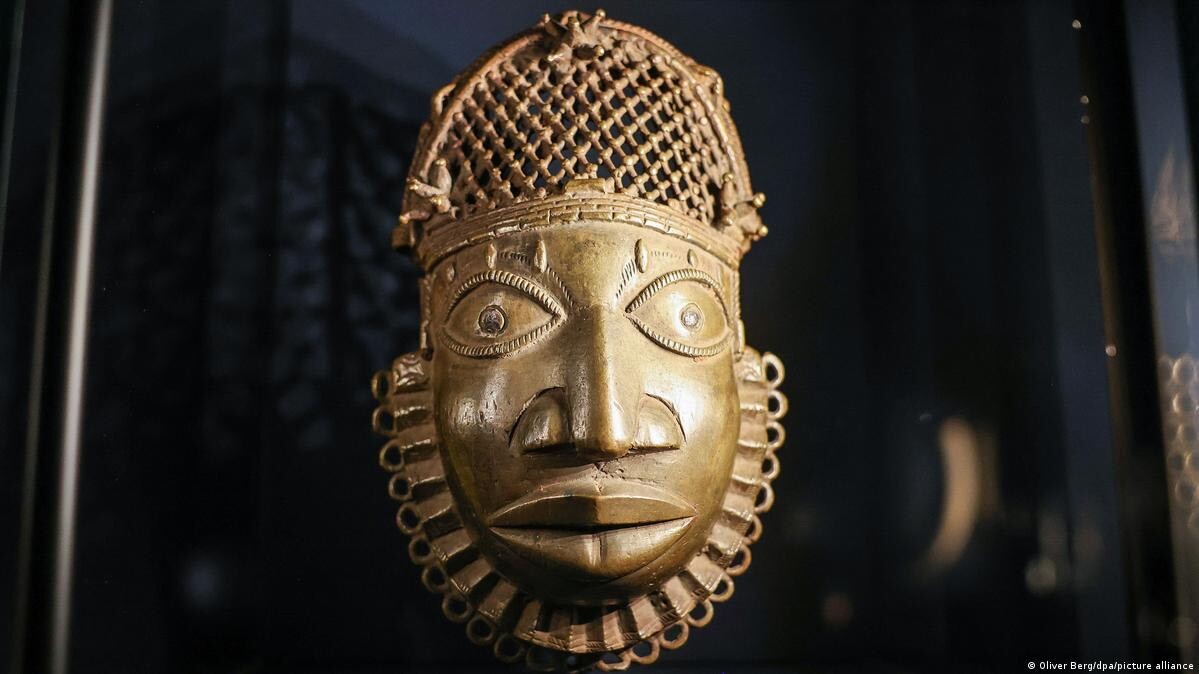
Nigeria has already welcomed back some of its looted Benin Bronzes from museums in Germany and the United Kingdom. In Ethiopia, negotiations continue for the return of sacred manuscripts and ceremonial treasures. Senegal has built the Museum of Black Civilisations in Dakar, a space not only for returned artifacts but for celebrating Africa’s ongoing creativity. These actions signal a shift. They show that African nations are no longer waiting quietly but are actively demanding recognition of their cultural rights.
The return of artifacts is about more than correcting historical wrongs. It is about restoring a sense of continuity between past and present. When children in Benin City can see bronzes created by their ancestors centuries ago, it gives them a tangible connection to identity that no textbook can fully capture. It also reshapes how the world views Africa. Instead of seeing the continent only as a source of raw materials or a stage for conflict, global audiences are reminded of its deep intellectual, spiritual, and artistic legacies.
Nigeria has already welcomed back some of its looted Benin Bronzes from museums in Germany and the United Kingdom. In Ethiopia, negotiations continue for the return of sacred manuscripts and ceremonial treasures. Senegal has built the Museum of Black Civilisations in Dakar, a space not only for returned artifacts but for celebrating Africa’s ongoing creativity. These actions signal a shift. They show that African nations are no longer waiting quietly but are actively demanding recognition of their cultural rights.
The return of artifacts is about more than correcting historical wrongs. It is about restoring a sense of continuity between past and present. When children in Benin City can see bronzes created by their ancestors centuries ago, it gives them a tangible connection to identity that no textbook can fully capture. It also reshapes how the world views Africa. Instead of seeing the continent only as a source of raw materials or a stage for conflict, global audiences are reminded of its deep intellectual, spiritual, and artistic legacies.
At the same time, African artists today are writing their own chapters in the story of culture. Painters, filmmakers, designers, and musicians are blending tradition with modern expression to create work that resonates locally and globally. From Nollywood films reaching international audiences to contemporary art fairs in Lagos and Cape Town, Africa’s cultural scene is no longer confined to recovery. It is expanding, innovating, and redefining what global art can look like.
The challenge that remains is infrastructure. Museums, galleries, and archives across the continent need investment to preserve and showcase both old and new works. Without this, returned artifacts risk being hidden away rather than celebrated. Yet the momentum is building, and it reflects a wider truth: Africa is reclaiming its narrative.
The story of African art today is not just about the return of what was taken. It is about confidence, ownership, and a future where the continent tells its own story through its own treasures.
The challenge that remains is infrastructure. Museums, galleries, and archives across the continent need investment to preserve and showcase both old and new works. Without this, returned artifacts risk being hidden away rather than celebrated. Yet the momentum is building, and it reflects a wider truth: Africa is reclaiming its narrative.
The story of African art today is not just about the return of what was taken. It is about confidence, ownership, and a future where the continent tells its own story through its own treasures.
