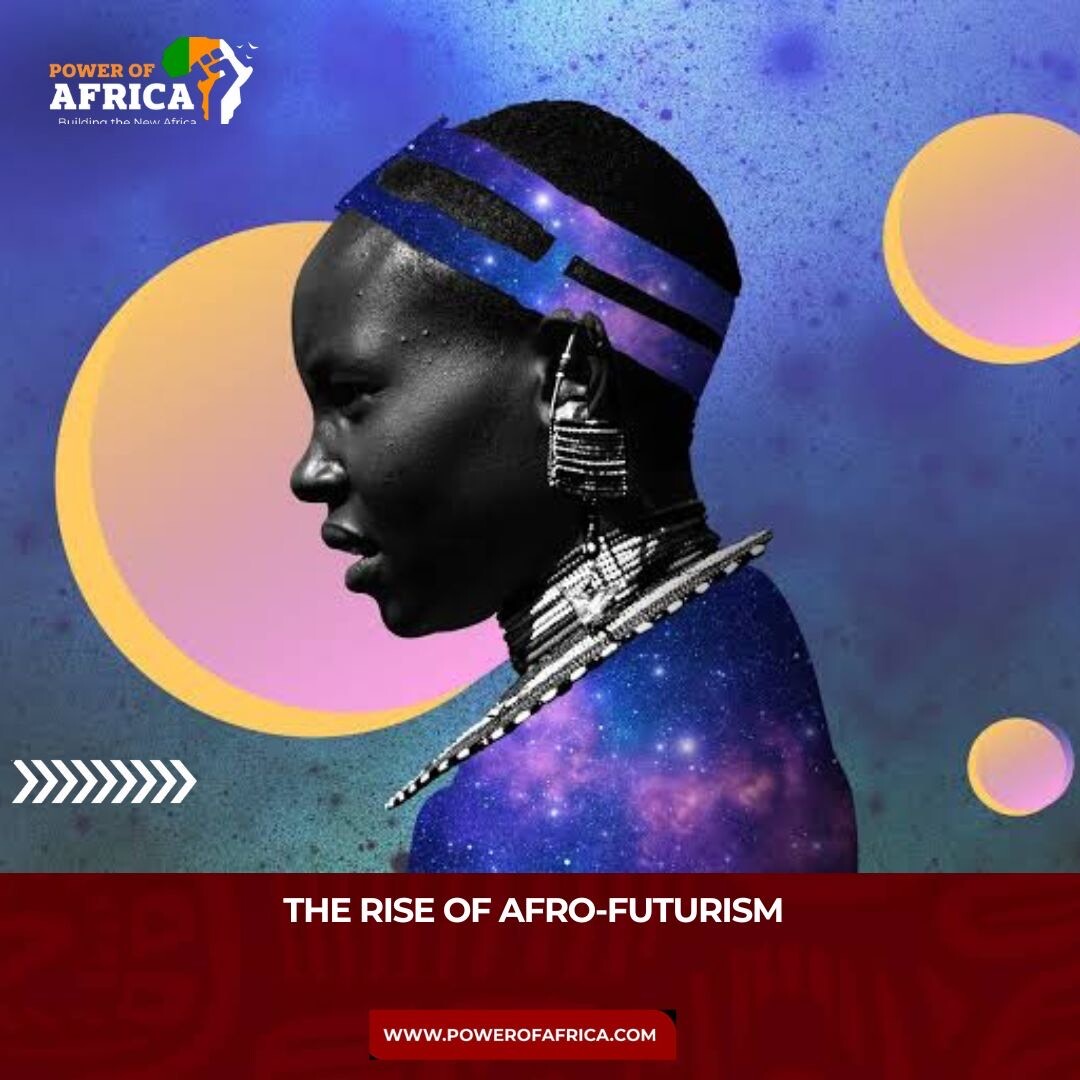
A new wave of African artists, writers, and filmmakers is embracing Afro-futurism, imagining Africa’s future by blending tradition with technology. From Nigerian sci-fi writers exploring space travel rooted in Yoruba mythology to Kenyan fashion designers mixing beadwork with cyberpunk aesthetics, Afro-futurism is redefining African creativity.
This movement matters because it challenges the narrative that Africa is only about the past or present struggles. Instead, it places Africa at the center of future conversations. Films like Kenya’s Rafiki or Senegalese sci-fi works show that African stories can stretch into the future while holding onto cultural roots.
This movement matters because it challenges the narrative that Africa is only about the past or present struggles. Instead, it places Africa at the center of future conversations. Films like Kenya’s Rafiki or Senegalese sci-fi works show that African stories can stretch into the future while holding onto cultural roots.
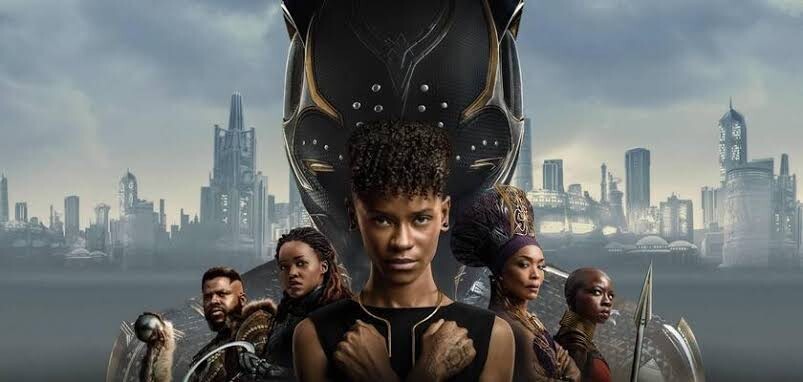
Afro-futurism also resonates with young Africans hungry for representation. Seeing heroes who look like them in futuristic settings affirms that Africa belongs in tomorrow’s world. It is also shaping global trends, influencing music videos, fashion, and even tech branding.
The key is ownership. If Afro-futurism is to thrive, Africans must control their stories, not just supply inspiration for global industries. From Lagos to Nairobi, Afro-futurism is more than art, it is a declaration that Africa’s future is not to be imagined by outsiders but by Africans themselves.
The key is ownership. If Afro-futurism is to thrive, Africans must control their stories, not just supply inspiration for global industries. From Lagos to Nairobi, Afro-futurism is more than art, it is a declaration that Africa’s future is not to be imagined by outsiders but by Africans themselves.
