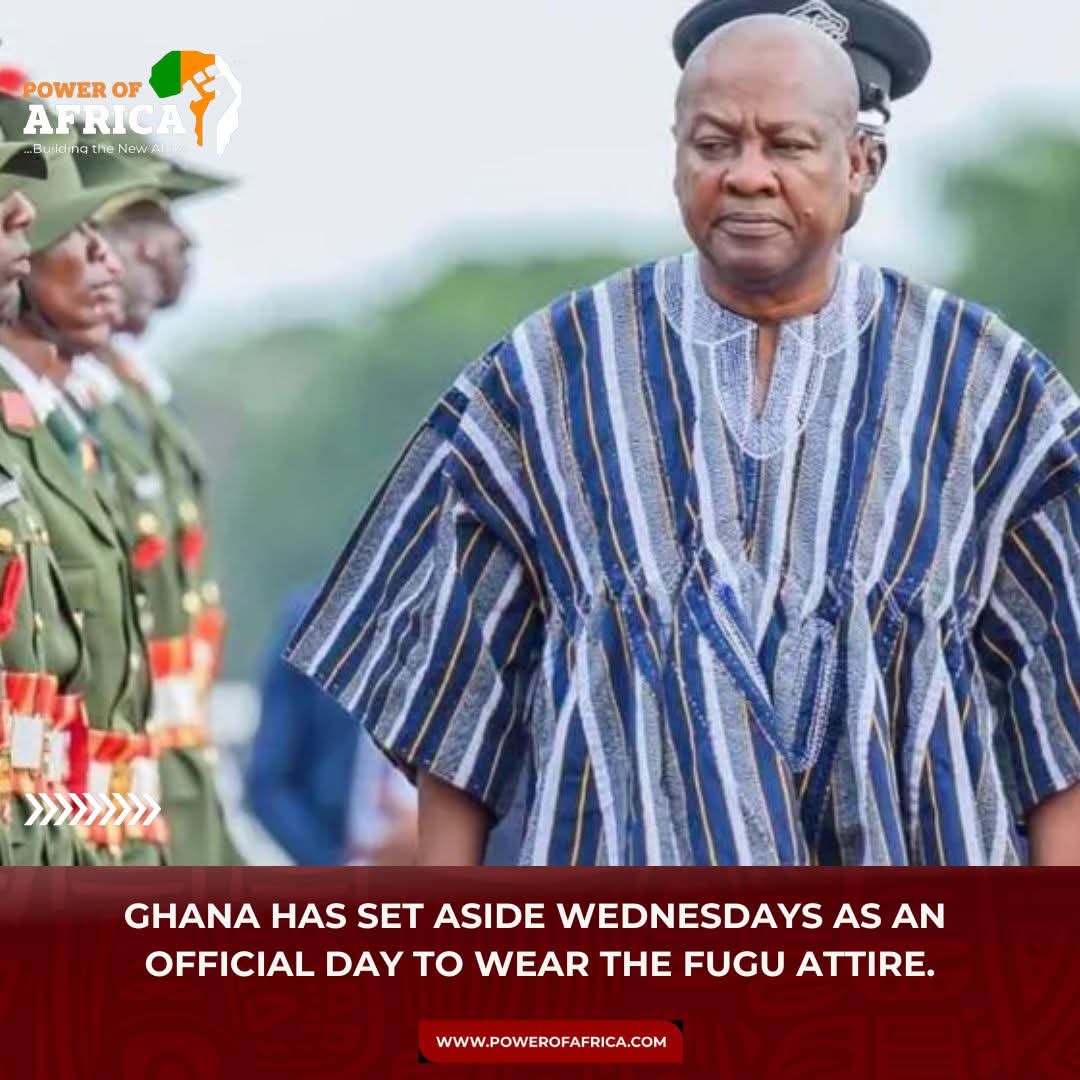
In Ghana, the government has designated every Wednesday as “Fugu Day” to honor the traditional northern tunic after an online debate triggered by President John Dramani Mahama wearing fugu during an official visit to Zambia.
Tourism Minister Abla Dzifa Gomashie says the initiative highlights cultural pride and supports local weavers and artisans, and reinforces national identity through this emblematic garment.
The government believes the collective adoption of Fugu will strengthen national unity, stimulate the creative economy, and serve as a symbol of Ghana’s cultural confidence.
Tourism Minister Abla Dzifa Gomashie says the initiative highlights cultural pride and supports local weavers and artisans, and reinforces national identity through this emblematic garment.
The government believes the collective adoption of Fugu will strengthen national unity, stimulate the creative economy, and serve as a symbol of Ghana’s cultural confidence.
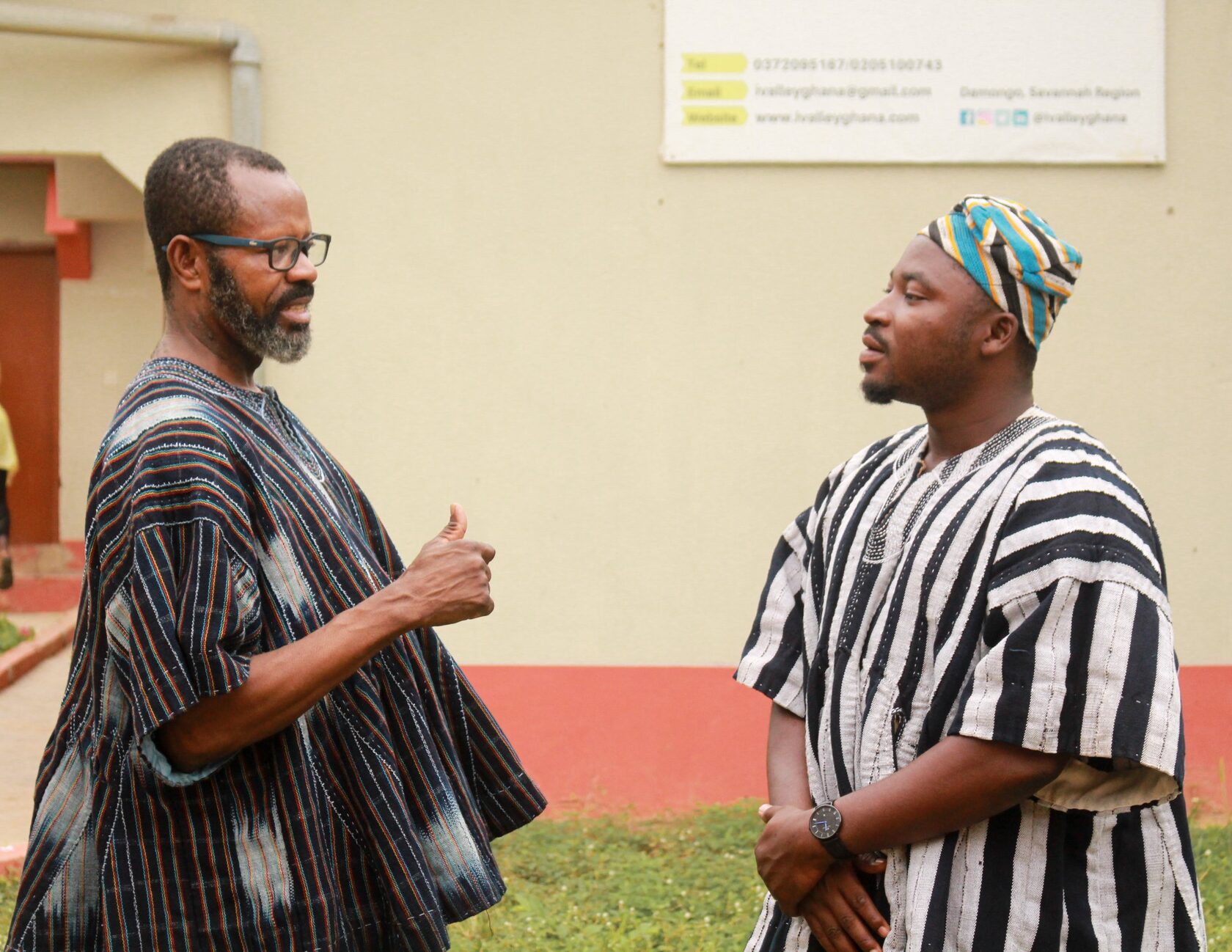
Fugu, also known as the Ghanian smock or Tani, is a fabric worn by both men and women in Ghana.
Originating in Northern Ghana, particularly around Bolgatanga, this garment was historically worn by warriors and kings. It is seen as a symbol of strength and heritage.
The Fugu is made from local cotton cloth produced on narrow strip looms.
Originating in Northern Ghana, particularly around Bolgatanga, this garment was historically worn by warriors and kings. It is seen as a symbol of strength and heritage.
The Fugu is made from local cotton cloth produced on narrow strip looms.

Ghana’s first president, Kwame Nkrumah, wore the Fugu during the country's independence declaration on March 6, 1957.
