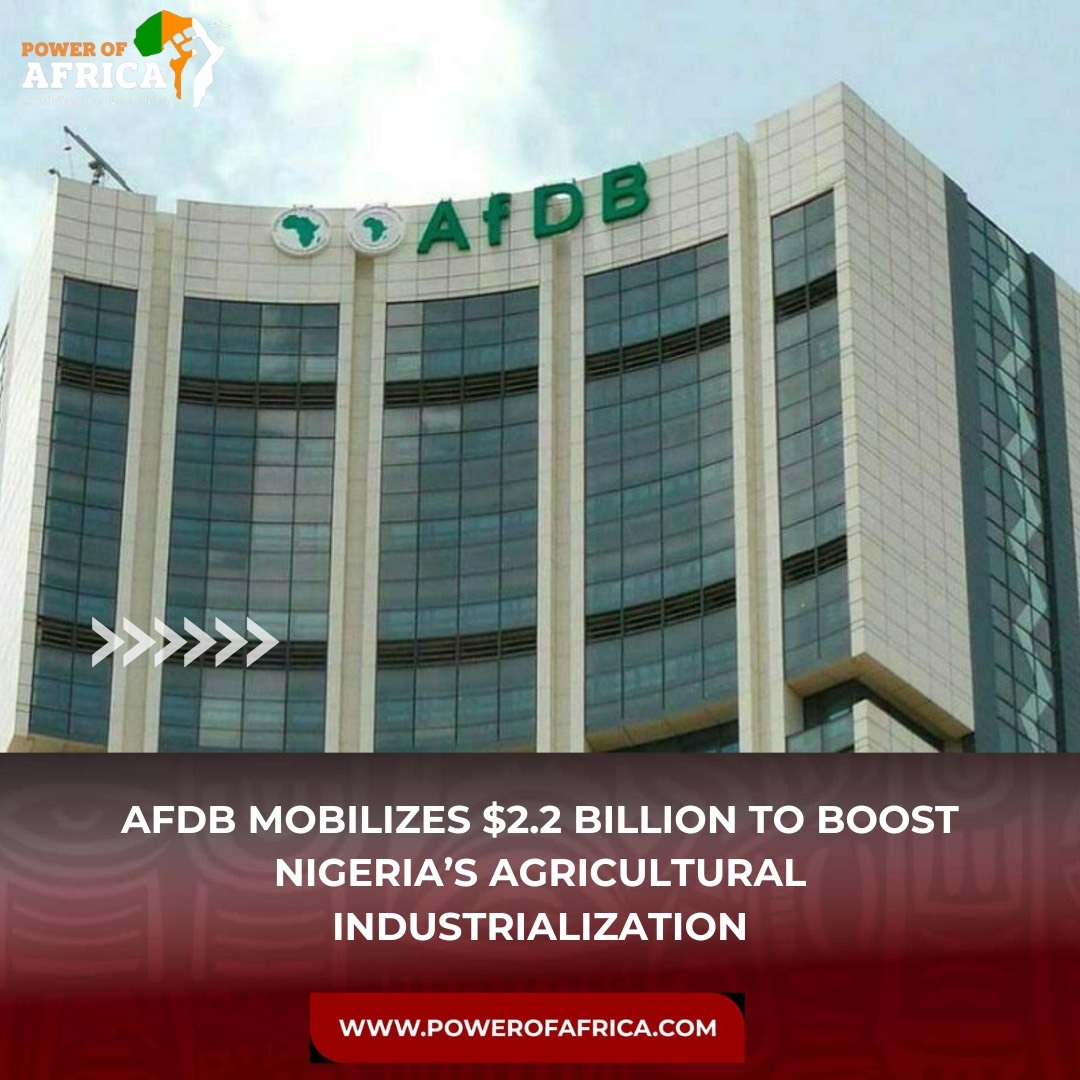
The African Development Bank (AfDB) has announced a $2.2 billion funding initiative to support Nigeria’s agricultural sector through the establishment of Special Agro-Industrial Processing Zones (SAPZ) across 28 states. The program aims to enhance food security, reduce post-harvest losses, and generate employment for millions of Nigerians.
AfDB President Dr. Akinwumi Adesina confirmed the development, stating that the investment will accelerate the transformation of Nigeria’s agriculture into a more productive and commercially viable sector. According to him, the SAPZ initiative will bring together farmers, processors, and agribusinesses in designated hubs equipped with essential infrastructure such as roads, power, and water.
“The zones are designed to turn rural areas into economic powerhouses by connecting agricultural production with processing and markets,” Adesina said. “This initiative will help Nigeria achieve food self-sufficiency while creating millions of jobs.”
The first phase of the SAPZ project is currently being implemented in eight states, Cross River, Imo, Kaduna, Kano, Kwara, Ogun, Oyo, and the Federal Capital Territory, while the second phase will extend to an additional 24 states. The program is being executed in collaboration with the Nigerian government, the International Fund for Agricultural Development (IFAD), the Islamic Development Bank (IsDB), and private investors.
AfDB President Dr. Akinwumi Adesina confirmed the development, stating that the investment will accelerate the transformation of Nigeria’s agriculture into a more productive and commercially viable sector. According to him, the SAPZ initiative will bring together farmers, processors, and agribusinesses in designated hubs equipped with essential infrastructure such as roads, power, and water.
“The zones are designed to turn rural areas into economic powerhouses by connecting agricultural production with processing and markets,” Adesina said. “This initiative will help Nigeria achieve food self-sufficiency while creating millions of jobs.”
The first phase of the SAPZ project is currently being implemented in eight states, Cross River, Imo, Kaduna, Kano, Kwara, Ogun, Oyo, and the Federal Capital Territory, while the second phase will extend to an additional 24 states. The program is being executed in collaboration with the Nigerian government, the International Fund for Agricultural Development (IFAD), the Islamic Development Bank (IsDB), and private investors.
Vice President Kashim Shettima, who recently commissioned the Cross River SAPZ, described the initiative as a “game changer” that aligns with President Bola Ahmed Tinubu’s agenda to diversify the economy and empower farmers. He added that the zones will promote value addition, boost exports, and reduce Nigeria’s dependence on imported food.
The SAPZ program also aligns with the United Nations Sustainable Development Goal 9 (SDG 9), which promotes industry, innovation, and infrastructure. By investing in modern processing facilities and rural infrastructure, the project is expected to strengthen Nigeria’s agro-industrial base and attract local and foreign investments into the agricultural value chain.
With Nigeria facing persistent food inflation and rising unemployment, the AfDB’s $2.2 billion intervention is seen as a major step toward revitalizing the economy through agribusiness and sustainable development.
The SAPZ program also aligns with the United Nations Sustainable Development Goal 9 (SDG 9), which promotes industry, innovation, and infrastructure. By investing in modern processing facilities and rural infrastructure, the project is expected to strengthen Nigeria’s agro-industrial base and attract local and foreign investments into the agricultural value chain.
With Nigeria facing persistent food inflation and rising unemployment, the AfDB’s $2.2 billion intervention is seen as a major step toward revitalizing the economy through agribusiness and sustainable development.
